How to Start Collecting Rainwater From Gutters
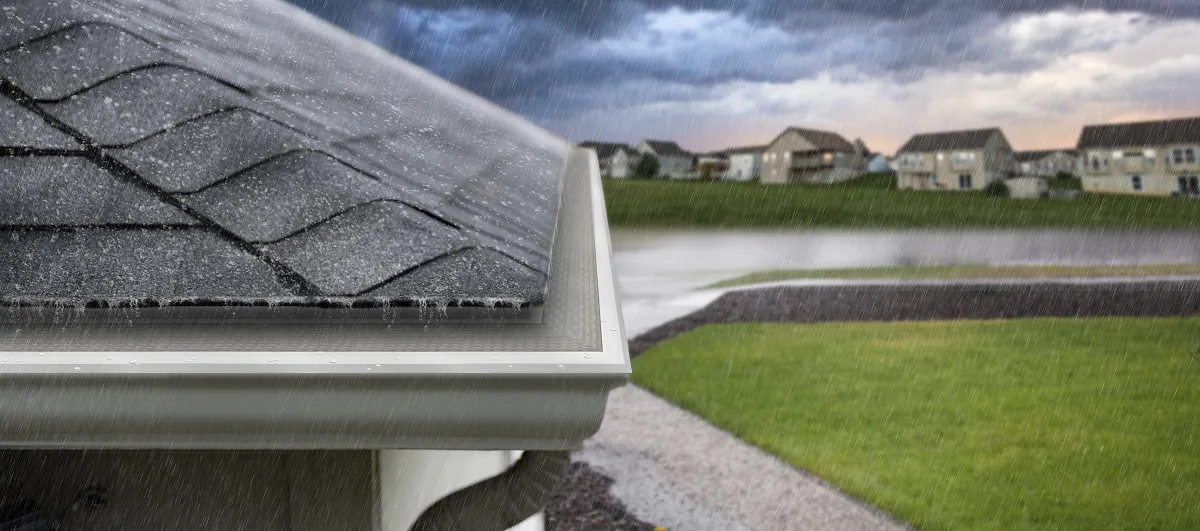
You want lower water bills. Less waste, too. A single inch of rain on your roof can send hundreds of gallons down the drain. Collecting rainwater from gutters puts that water to work.
Rainwater collection means capturing roof runoff and storing it for later, like watering your garden. Your gutters are the entry point. They gather the water and guide it into a barrel or tank.
This guide covers how the system works, how much you can collect, what you can safely use it for, and how to get started.
Table of Contents:
- What Is Rainwater Collection, and Why Do It?
- How Does a Gutter Rainwater Collection System Work?
- What Are the Environmental Benefits of Collecting Rainwater?
- How Much Rainwater Can You Collect From Your Gutters?
- Best Practices for a Gutter Rainwater Collection System
- Safety: What You Can (and Can’t) Do With Collected Rainwater
- How Gutter Guards Help You Collect Cleaner Rainwater
- How to Start Collecting Rainwater From Your Gutters in Five Steps
What Is Rainwater Collection, and Why Do It?
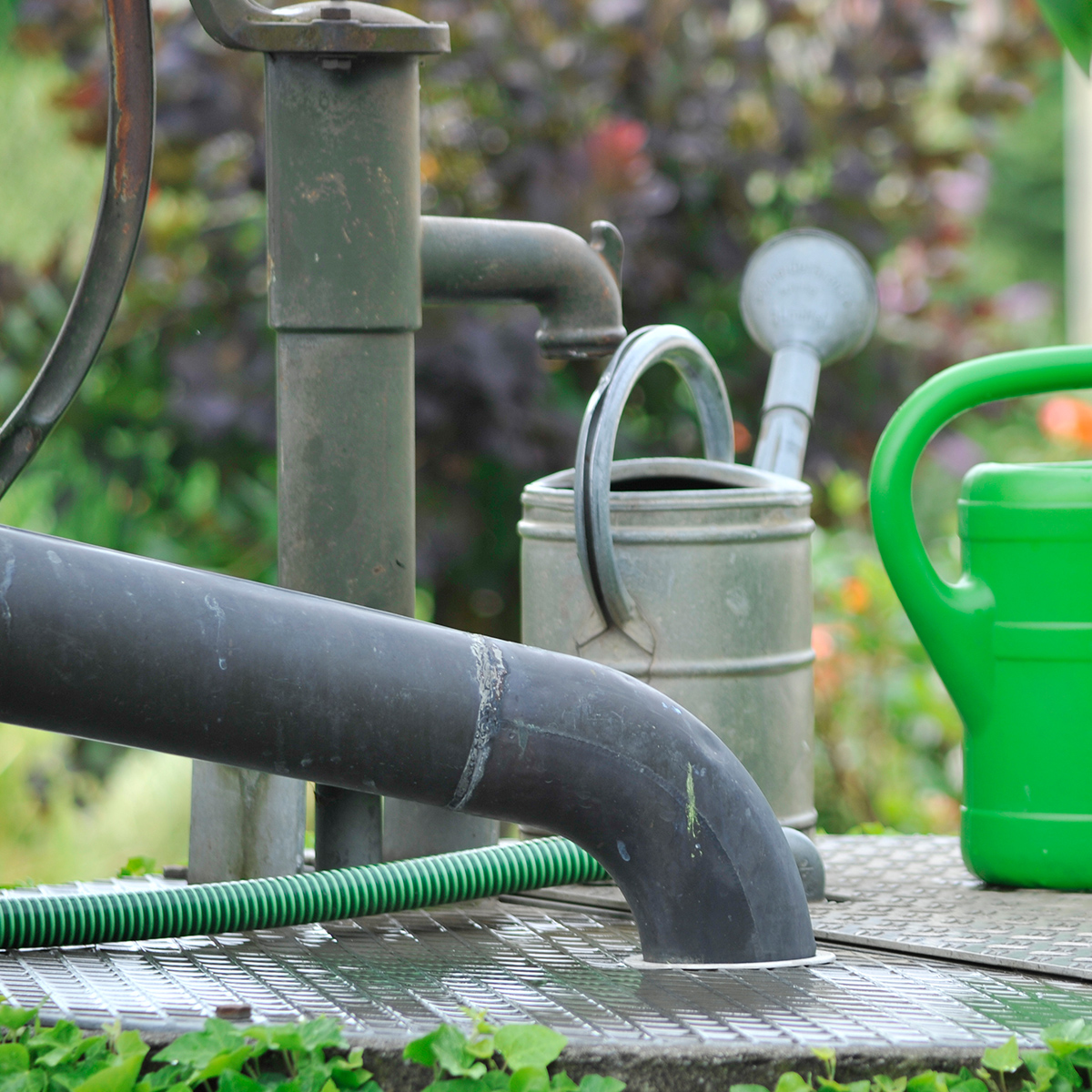
Rainwater collection, also called rainwater harvesting, is the process of capturing the water that runs off your roof during a storm and storing it for future use. A collection system sends that water into barrels or tanks instead of letting it rush through your gutters and into storm drains.
Why Homeowners Collect Rainwater
Most homeowners start collecting rainwater for two reasons.
- Lower outdoor water costs: Collected rainwater gives you a free water source for gardening, lawn care, and washing vehicles.
- More control over your water supply: A stored reserve matters most in drought-prone areas or areas with water restrictions.
Where the System Starts
Every system starts with your roof and gutters. They channel rainwater toward your collection point. Get that part right, and the rest follows.
To see how water moves through your gutters before it’s redirected, read A Complete Guide to Gutter Drainage. This foundation helps you design a more efficient setup, which we’ll walk through next.
How Does a Gutter Rainwater Collection System Work?
Collecting rainwater from gutters starts with your roof. Rain naturally flows from your roof into your gutters, then toward your downspouts. From there, the path splits based on your setup.
The Path Water Takes From Roof to Storage
- Rain hits your roof and flows down into your gutter system.
- Gutters carry the water to your installed downspouts.
- A downspout diverter redirects the flow into a storage container, like a rain barrel or tank, instead of onto the ground.
- Your barrel or tank stores the water for later use.
- The diverter sends excess water back down the downspout once your container is full.
The downspout diverter is the key piece. Think of it as a railroad switch for water. It sends rain to storage when there’s room, then routes the rest away when the container fills.
Common Types of Gutter Rain Collectors
- Rain barrels: A simple, beginner-friendly choice for small-scale collection
- Cisterns: Larger tanks that hold significantly more water
- “Wet” systems: Pipes from multiple downspouts run underground and stay filled with water between storms
- “Dry” systems: Pipes drain completely after each rain and feed the tank from above
Larger setups connect multiple downspouts into a single storage unit. That makes it easy to scale to your collection goals and property size.
For more on how your downspouts shape water flow, read The Importance of a Downspout Extension.
What Are the Environmental Benefits of Collecting Rainwater?
Collecting rainwater does more than cut your water bill. It’s a simple way to shrink your home’s environmental footprint.
- Less stormwater runoff: Heavy runoff overwhelms yards and storm drains. That can lead to erosion, pooling, and even localized flooding.
- A healthier landscape: Redirecting water keeps soil in place and your yard intact.
- Foundation protection: Water pooling near your home can cause gradual foundation damage. Rerouting helps protect your home’s value and long-term structural stability.
- Gentler water for plants: Rainwater is naturally free of the chlorine and chemical treatments found in tap water. Your garden beds and landscaping get a more natural drink.
Already have gutter splash guards? Pair them with a collection system for another layer of protection to divert and manage rainfall effectively. Learn more in our blog What Are Gutter Splash Guards?
How Much Rainwater Can You Collect From Your Gutters?
Rainwater collection isn’t just a concept. It’s math you can plan around.
The Rainwater Collection Formula
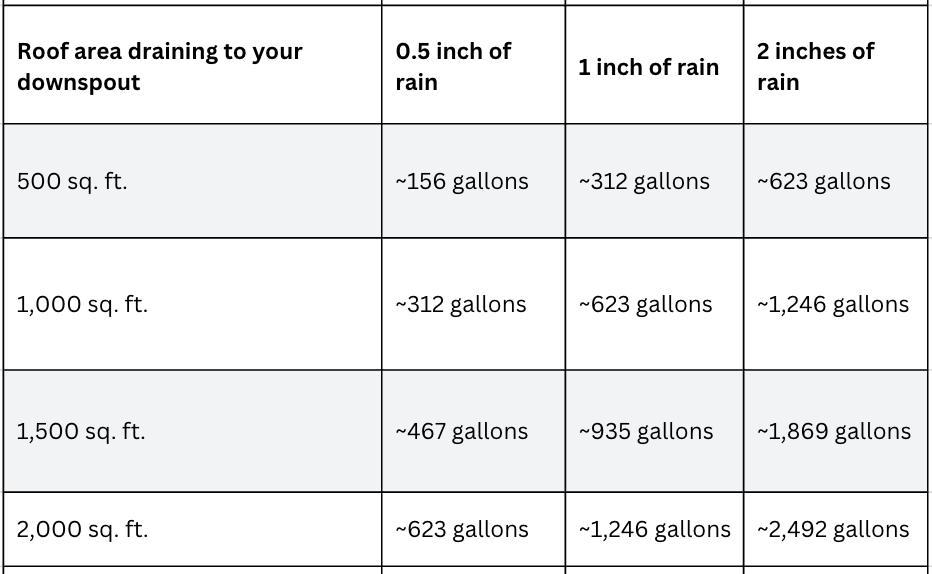
A widely cited formula estimates you can harvest about 0.623 gallons per square foot of roof for every inch of rainfall.*
Roof area (sq. ft.) × rainfall (inches) × 0.623 = gallons collected
So, a 1,000-square-foot roof section sends roughly 623 gallons into your system during a single 1-inch rainfall.
Estimated Rainwater Collection by Roof Size
Which Part of Your Roof Counts
Only the roof area that drains into the specific downspout you’re using contributes to your total. Focus on that collection zone, not your whole roof.
This quick calculation helps you determine whether a rainwater harvesting system is worth it for your home. Even modest rainfall adds up fast. That’s a considerable amount of water for outdoor plants, landscaping, and other non-potable uses around the house. Explore more ways to get the most from your system in our guide to gutter accessories.
Best Practices for a Gutter Rainwater Collection System
A gutter water collection system turns ordinary rainfall into a useful resource. Three things make it work: the right container, smart placement, and regular upkeep.
Rain Barrel vs. Cistern: Which Container Fits Your Home?
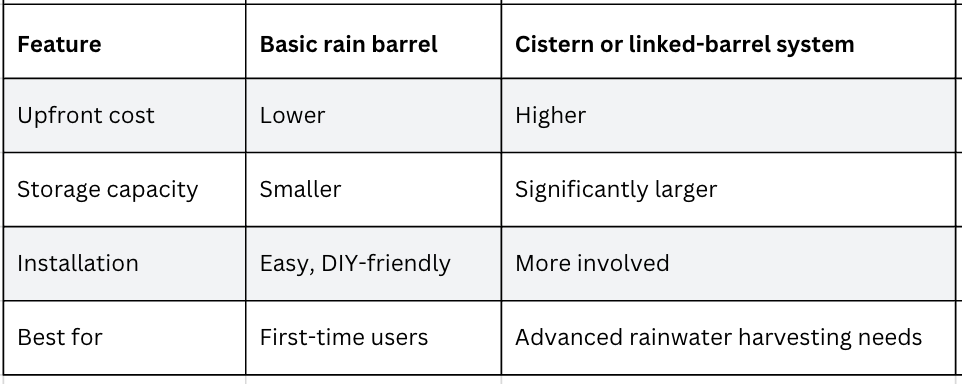
Start small if you’re new. You can always add capacity later.
Placement and Overflow Management
Setting up your barrel or tank correctly goes beyond convenience. It protects your foundation.
- Choose a level, stable surface close to your downspout.
- Leave room for an overflow solution next to your container.
- Drain overflow at least three feet away from your home’s foundation.
- Use an overflow hose or splash block to keep excess water from pooling during heavy storms.
Proper overflow management helps safeguard your home. It also keeps your rainwater harvesting system working for the long haul.
Rainwater Collection System Maintenance Checklist
Regular maintenance keeps your system working properly:
- Check for leaks and repair them right away.
- Clear out debris from the inlet to keep water flowing smoothly.
- Drain the system before freezing weather to help prevent cracks and damage.
For tips on timing these tasks to the season, read our guide to the best time of year to clean out your gutters.
Safety: What You Can (and Can’t) Do With Collected Rainwater
Here’s the hard truth. Rainwater from your roof isn’t drinkable.
Why Roof Rainwater Isn’t Safe to Drink
Water passing over roofing materials and through gutters picks up:
- Germs
- Bird droppings
- Residue from shingles and other surfaces
That makes it unsafe to consume without thorough testing and treatment. It can feel like a waste to keep it off your drinking list. But you still have plenty of safe, practical ways to use it.
Safe Uses vs. Uses to Avoid
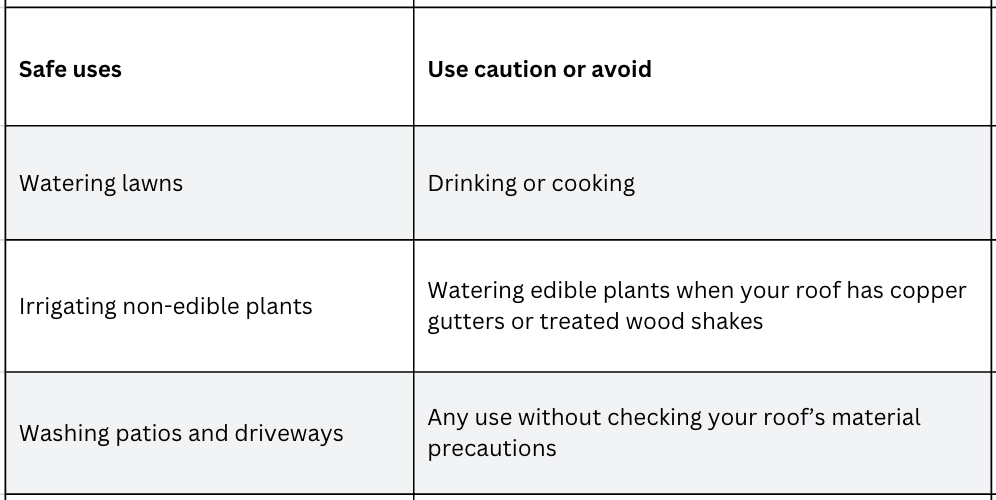
Your roof’s materials matter. Copper gutters and treated wood shakes can introduce elements that affect safety for edible plants. Confirm the specific precautions for your setup before you water the vegetable garden.
How to Store Rainwater Safely
Basic storage practices help keep your rainwater usable and your systems clean.
- Use collected water within one to two weeks.
- Always cover your barrel so mosquitoes can’t turn it into a breeding ground.
Store it carefully, use it wisely, and rainwater stays a helpful, hassle-free resource for your home.
How Gutter Guards Help You Collect Cleaner Rainwater
Clogged gutters don’t just overflow. They hold onto stagnant water, leaves, and debris. When it rains again, that debris washes straight into your rainwater collection system, contaminating the water you planned to store and use.
Cleaner, well-maintained gutters mean less debris reaches your rain barrel. Less to filter. Less to manage.
That’s where LeafFilter® micromesh gutter guard makes all the difference:
- A finely woven screen blocks leaves and larger debris.
- Clear-flowing gutters help keep water moving all year long.
- Cleaner water reaches your downspout diverter, which saves you time and maintenance later.
A durable gutter guard does more than protect your home. It helps protect the quality of every drop you collect.
Learn more about how our micro mesh technology helps keep the inside of your gutters debris-free.
How to Start Collecting Rainwater From Your Gutters in Five Steps
Setting up a rainwater collection system is straightforward with the right plan:
- Inspect your gutters. Old, sagging, or repeatedly clogged gutters need attention first.
- Pick a downspout. Choose the one closest to where you’ll place your barrel or tank.
- Select your container. Go with a compact barrel or a larger tank for higher capacity.
- Install a diverter. It controls water flow and helps keep debris out.
- Set up overflow. Make sure excess water drains away from your foundation during heavy rains.
A rainwater system works best with gutters that are cleared out and fully functional. That’s where the pros come in.
Schedule a free consultation with your local LeafFilter gutter expert. We’ll assess your gutters, recommend a solution, and make sure your setup is ready for reliable rainwater collection.
*Actual collection varies based on roof material, gutter condition, and rainfall intensity.