

How Micro-Mesh Gutter Guards Work (And Why Some Fail)
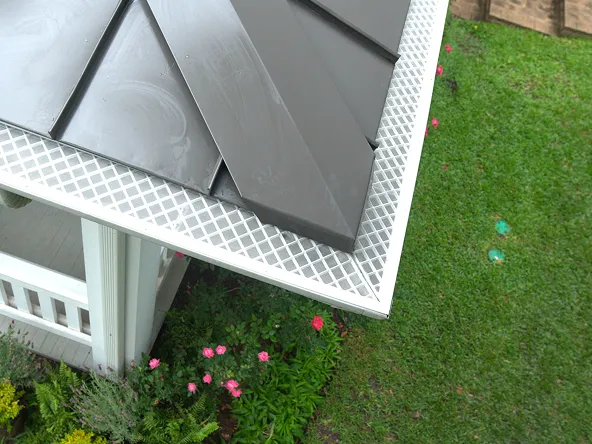
Picture this: it’s a perfect weekend, but instead of relaxing, you’re scooping soggy leaves and gunk out of your gutters. Nobody wants to spend time dealing with the mess, yet ignoring clogged gutters can snowball into costly repairs, such as water damage and foundation issues. This is where micro-mesh gutter guards come in; they cut down on maintenance hours while giving you peace of mind.
If you’re ready to stop worrying about what’s collecting in your gutters, it’s time to look at micro-mesh technology. These advanced guards act as a shield for your home, helping protect your investment. Let’s explore how they work and what sets the best micro-mesh solutions apart from the rest.
What Are Micro-Mesh Gutter Guards?
Think of a micro-mesh gutter guard as a precision filter for your roof. Unlike traditional screens with larger holes (like a pasta strainer), micro-mesh systems use an ultra-fine mesh screen featuring thousands of microscopic openings.
These openings let rainwater flow smoothly into your gutters while forming a reliable barrier against leaves, twigs, and other common debris. By keeping water moving and debris out, micro-mesh guards help prevent buildup and mold, keeping pests away and your gutters working efficiently.
The “micro” in micro-mesh: why mesh size matters
The effectiveness of these gutter guards depends on the micron rating. A micron is a unit of measurement used to describe the size of the openings in the mesh.
If the holes are too large, debris like twigs and shingle grit will slip through, eventually creating a clog in your gutter that requires cleaning. If the holes are too small, the mesh can clog with pollen or organic film, causing water to skip over the gutter entirely.
The sweet spot is often considered to be around 100-300 microns. At this size, the mesh is fine enough to block shingle grit—which is abrasive and damaging—but open enough to handle heavy rainfall.
How Micro-Mesh Gutter Guards Work (Step-by-Step)
It might seem like magic that water goes in while debris stays out, but it’s actually just physics. Here is the three-step process of a functioning system:
Step 1: Water hits the guard surface
As rain flows down your roof shingles, it carries debris with it. It hits the top of the gutter guard system installed over your existing gutters.
Step 2: Surface tension pulls water through
This is the secret sauce. Surface tension is the property of a liquid that allows it to resist external force. It’s why water beads up on a leaf or hugs the side of a glass when you pour it slowly.
On a high-quality micro-mesh gutter guard, the surgical-grade stainless steel mesh breaks the water’s surface tension, effectively “pulling” the liquid through the tiny holes and into the gutter trough below.
Step 3: Debris blows off the top
Because the water is pulled down through the mesh, solid debris is left on top. If the system is installed with the correct pitch (angle), the airflow coming off the roof and the wind will naturally blow dry leaves and debris off the system and onto the ground.
Key Benefits of Micro-Mesh Gutter Guards
Why are homeowners increasingly choosing micro-mesh over foam, brushes, or old-school screens?
- Superior Filtration: Micromesh gutter guards block more types of debris than any other style. If you have a lot of trees on your property, micro-mesh is essential.
- Durability: Quality systems use stainless steel rather than plastic or aluminum mesh, meaning they won’t rust, warp, or degrade under UV light.
- Low Maintenance: While no system is completely “zero maintenance,” a good micro-mesh system significantly reduces the frequency of ladder climbs to clean your gutters.
- Pest Protection: The fine mesh seals the gutter system, helping prevent mice, birds, and squirrels from nesting in damp debris.
Why Some Micro-Mesh Gutter Guards Fail
You might read reviews online from homeowners frustrated with their micro-mesh systems. Usually, these failures aren’t because micro-mesh itself is bad, but because of four key execution errors.
Failure #1: Low-quality materials
If the frame is made of cheap plastic or thin aluminum, it can warp in the sun or crack in the cold. Once the frame warps, the mesh ripples, creating “valleys” where debris accumulates and rots. Additionally, if the mesh isn’t surgical-grade stainless steel, it can corrode, closing up those tiny holes and blocking water flow.
Failure #2: Improper installation (The “Flat” Problem)
This is the most common issue with DIY installs. If a micro-mesh gutter guard is installed completely flat (like a shelf), debris has nowhere to go. It just sits there, creating a wet mat of leaves that eventually blocks the water. The system must be installed at the proper angle, often matching the roof pitch, to allow debris to blow off naturally.
Failure #3: Skipped maintenance
We believe in empowering homeowners with the truth. Any company that promises 100% zero maintenance forever is not being realistic. Over time, pollen or dust can create a biofilm on the mesh. If you ignore your gutters for five years, they’ll most likely start dripping. A simple visual inspection and a quick rinse with a garden hose from the ground are usually all that is needed to keep gutter guards running at peak performance.
Failure #4: Heavy rain edge cases
In extremely heavy downpours, water moves very fast. If the mesh isn’t engineered to handle high-volume flow, the water can “overshoot” the gutter, essentially surfing across the top of the mesh and landing on your flowerbeds. This is often called a micro-mesh gutter guard overflow. High-quality systems use specific patterns, or “siphons,” under the mesh to help prevent this surface-tension breakdown.
How Micro-Mesh Gutter Guards Differ From Other Types
It helps to know what else is out there to understand why micro-mesh is the premium choice for protecting your home’s value.
- Screen Guards: These are metal or plastic sheets with large holes. They are cheap, but they let seeds, twigs, and small debris through. They also tend to collapse under heavy snow.
- Foam Inserts: These sit inside the gutter. They are inexpensive but often act like a sponge, trapping seeds that eventually sprout into small trees right inside your gutter. Foam inserts must also be cleaned regularly to prevent mold growth.
- Brush Gutter Guards: These guards look like giant pipe cleaners. Brush guards catch leaves well, but they also trap them. Cleaning a brush guard is often more of a hassle than cleaning a gutter without one.
- Hooded (Reverse-Curve) Gutter Guards: These rely entirely on surface tension to guide water around a curved nose while water flows through a gap. They are great for water but often leave a large gap in the front where birds and small pests can enter.
DIY vs. Professional Micro-Mesh Gutter Guards
You’re handy, we get that. Many new homeowners love a good weekend project. But when it comes to micro-mesh, the stakes are high.
DIY Micro-Mesh
You can buy snap-on micro-mesh gutter guards at big-box stores. The upfront cost is lower. However, these are generally “one-size-fits-all.” They may not slide perfectly under your specific shingle type or fit securely to the width of your gutter. If the fit is loose, the wind can blow them off. If the pitch is wrong, they will clog.
Professional Installation
When you pay for professional gutter guard installation, you aren’t just paying for the labor—you’re paying for the customization. A pro will:
- Clean and realign your existing gutters first or replace them with a new gutter system if they’re sagging or broken (critical!)
- Reinforce the gutters with internal hangers so they can handle more weight, such as snow load in regions with heavy snowfall.
- Install the system at the optimal pitch to ensure debris dries and can blow off naturally.
- Most often, provide a warranty that protects the materials and performance.
Why LeafFilter Is Built to Solve These Points
At LeafFilter, we’ve analyzed why generic gutter guards fail and engineered our product to address those specific weak points. We don’t just sell a product; we provide a permanent solution for your home.
- Material Engineering: We use a 316L surgical-grade stainless steel micromesh. It is fine enough to block shingle grit but open enough to accept heavy rainfall.
- Structural Integrity: Our mesh is supported by a durable uPVC frame. Unlike metal frames that expand and contract (warping the mesh), uPVC is stable, ensuring the screen stays tight and smooth.
- The Angle of Attack: Our system is installed with a built-in pitch. It acts as an extension of your roofline, helping ensure that leaves and debris are encouraged to blow off rather than settle in.
- Installation Standard: We mount our system to the fascia board using structural hangers, taking the weight off your gutters and ensuring a secure fit that DIY clips can’t replicate.
Are Micro-Mesh Gutter Guards Right for You?
If you are on the fence about micro-mesh gutter guards, here is a quick checklist. Micro-mesh is likely the smart investment for your home if:
- You have large trees near your roofline.
- You notice granular “sand” from your shingles accumulating in your downspouts.
- You want to maximize the lifespan of your existing gutters.
- You want to minimize ladder work and gutter maintenance.
FAQs
Do micro-mesh gutter guards work?
Yes, micro-mesh gutter guards are widely considered the most effective technology for keeping gutters debris-free. By using surface tension to draw water in while blocking solids, they solve the problem of clogging better than screens or sponges.
Why do micro-mesh gutter guards clog?
Generic micro-mesh guards clog when the mesh is too fine (pollen buildup) or installed flat (debris doesn’t blow off). High-quality systems installed at a pitch rarely cause clogging on top of the gutter guard system, though they may need a rinse if organic film builds up over the years.
Are micro-mesh gutter guards worth it?
For homeowners who value their time and want to protect their home’s foundation from water damage, the answer is yes. Micro-mesh gutter guards keep your gutters clog-free, minimize gutter maintenance, and help protect your home’s value.
Micro-mesh vs hooded gutter guards: Which is better for heavy rain?
Micro-mesh and hooded gutter guards both handle rain well, but hooded guards often struggle with “splash over” in valleys. Micro-mesh gutter guards handle heavy rain effectively through surface tension, provided the mesh is kept relatively clean of biofilm.
The Bottom Line
Micro-mesh technology can be a game-changer for your home maintenance routine, but only when the mesh, the frame, and the installation work in harmony. Most failures come from cutting corners on materials or ignoring the importance of pitch.
Don’t leave your home’s protection to chance or a “one-size-fits-all” kit. If you want to learn exactly how a properly engineered system will help protect your home, our local LeafFilter professionals are here to help.
Ready to protect your investment? Schedule a free inspection and estimate with LeafFilter today.