
How Spring Showers Affect Your Gutter System
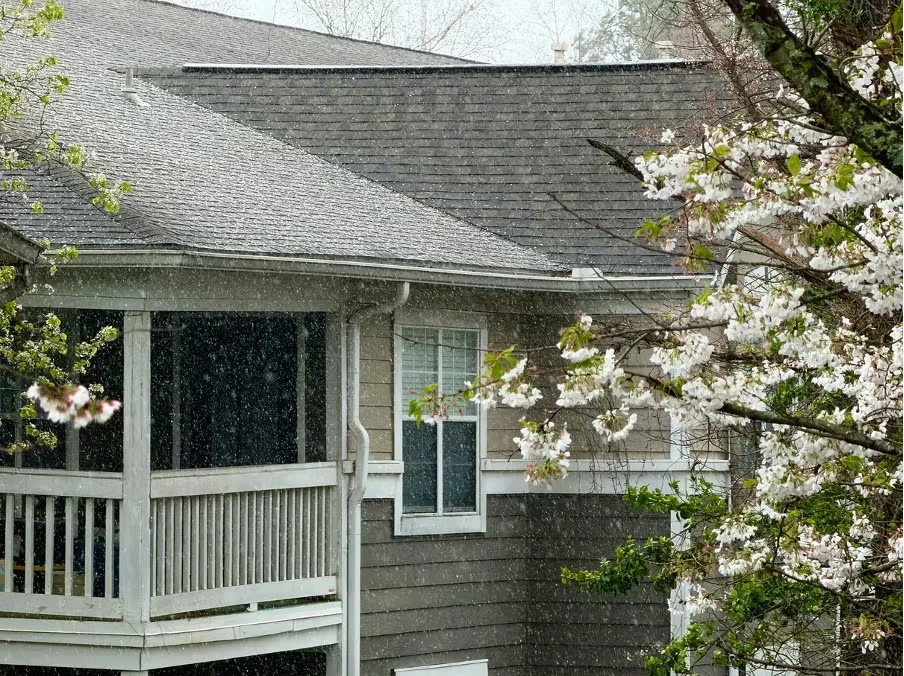
Spring is a critical season for gutter maintenance. As winter debris clears and seasonal rains increase, clogged gutters can overflow, sending water toward your roofline, siding, and foundation instead of safely away from your home. Spring showers easily reveal weaknesses in a gutter system because rainwater moves through the troughs more often and much more heavily than during the colder winter months.
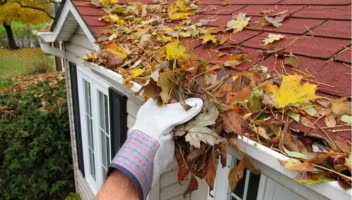
Leftover winter debris and new spring growth frequently create blockages in the gutters just as heavy rains begin. Knowing how to spot these problems early allows you to protect your home’s exterior. In fact, regular gutter-cleaning guidance suggests spring is a key cleanup season. Preparing your gutters now helps keep your home, from roof to foundation, safe from unexpected water damage.
Why Spring Showers Put Extra Stress on Gutters
Spring showers can overwhelm gutters, especially when frequent rainfall combines with winter debris and roof runoff. When gutters are partially clogged, water may overflow instead of draining properly through the downspouts. This overflow can weaken the integrity of your roofline, siding, landscaping, and foundation.
Spring brings more than just rain.
When the weather warms up, your gutters handle many moving parts. Spring showers often come with thaw-related runoff from late-season snow. Meanwhile, strong winds blow loose leaves, twigs, and debris onto your roof. Rainwater then washes all this roof debris downward, sending it straight into your gutter troughs.
Following a spring maintenance checklist allows your roof and gutter system to act as the first line of defense, helping prevent any existing damage from worsening during the rainy season. Water moves fast when gutters are already partially blocked.
Even minor clogs can greatly reduce gutter performance, increasing the risk of damaging overflows during heavy spring rain. Debris near the downspout opening causes rainwater to back up in the main trough. That water then has nowhere to go but over the gutter edge, spilling suddenly onto nearby roof structures and exterior surfaces, completely bypassing the drainage path your home relies on.
What Spring Rain Can Do to a Gutter System
Heavy spring rainfall can expose and worsen weaknesses in your gutter’s drainage capacity. When water cannot flow freely, it starts to wear down the physical structure of your gutter system.
Overflow and standing water
During a heavy spring downpour, overflowing gutters signal trouble. Water pooling in your gutters adds weight, which, over time, can bend the material or pull the entire gutter system out of alignment due to constant strain.
Downspout backup and poor drainage
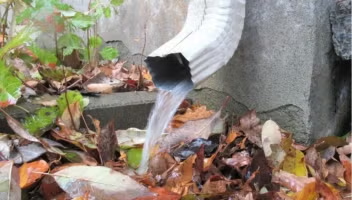
Clogged downspouts cause water to pool near your home’s foundation rather than drain away. This results in muddy patches in your yard and water collecting directly against exterior walls. Over time, standing water can damage the foundation and cause potential basement leaks or flooding that require costly repairs.
Pro Tip: Keeping downspouts clear prevents yard flooding and expensive foundation damage.
Wear on seams, hangers, and fasteners
Spring showers repeatedly test your gutter system, exposing its weak points. Heavy, waterlogged debris stresses the seams, hangers, and fasteners holding your gutters in place. Eventually, this can lead to gutters sagging or completely pulling away from the wooden fascia board.
Debris moves from the roof into the gutters
Spring storms can wreak havoc on your roof, loosening materials and causing immediate issues. High winds and heavy rain wash shingle granules, snapped twigs, and general storm debris straight into your gutters. Granule loss in your gutters may actually signal that your shingles are wearing out, meaning your roof might need a professional inspection soon.
Spring rain red flag: If water pours over the sides of your gutters during normal rain, your system may already be partially blocked or draining inefficiently.
Signs Your Gutters May Not Be Ready for Spring Showers
Identifying drainage issues early can save you money by avoiding expensive repairs. To check your gutters, walk around your home on different days and in different weather conditions and inspect the siding, foundation, and gutter system above for any signs of overflow or clogs.
What to look for during or right after rainfall
The best time to see how your gutters perform is while it is raining. Step outside and look for water spilling over the sides of your gutters. Look for noticeable drips at the seams or corner joints. If your downspouts are not draining water steadily, a blockage is likely in the pipe. You should also watch for water pooling near the foundation, which indicates the downspout is not carrying runoff far enough away from the foundation.
What to look for on dry days
You can also spot warning signs when the weather is clear. Look up at your roofline for visible debris sticking out of the troughs or for noticeably sagging sections of metal. Dark streaks running down your siding usually mean dirty water has been consistently overflowing. If you see plant growth sprouting inside the gutters, you definitely have trapped dirt and moisture. You might also notice thick piles of roof granules collecting in the troughs.
Clogged or poorly draining gutters can cause serious issues. If you notice these signs, it’s time to clean out your gutters.
How Clogged Gutters Affect the Rest of Your Home
Your gutters are designed to protect your entire home. Gutter failure during spring showers allows water damage to spread throughout your home.
Roofline and fascia exposure
When gutters clog, rainwater backs up into areas where it shouldn’t. This water often sits against the roof edge and the wooden fascia boards. Constant moisture exposure can cause the wood to rot. This rotting weakens the structure holding your gutters in place and allows water to seep under your roof shingles.
Siding, soil, and landscaping
Blocked gutters that repeatedly overflow can seriously damage your landscaping. Heavy sheets of water from the roofline will erode soil around garden beds and damage plants. Additionally, splashing water coats siding with mud and dirt, causing unsightly stains and increasing the risk of exterior moisture damage.
Foundation and basement moisture concerns
Improper downspout drainage during spring increases the risk of moisture to your foundation and basement. Spring rainfall naturally saturates the ground. When your gutters dump excess water around the foundation, you increase the risk of basement leaks and flooding.
Saturated soil puts immense hydrostatic pressure on basement walls. Directing your downspouts at least six feet away from the foundation is a simple but critical step to help keep your basement dry during the spring rainy season.
For more tips on keeping your foundation and basement dry, read the Erie Home basement waterproofing guide.
Spring Gutter Maintenance Checklist for Homeowners
Consistent spring gutter maintenance is vital to protecting your home from water damage. Use this quick spring home maintenance checklist to ensure your gutters are ready for the rainy season.
Spring gutter checklist
- Inspect gutters from the ground: Walk around your home and look for visible debris, loose fasteners, or sagging sections.
- Test water flow during rain: Watch how the water moves through your gutters and exits the downspouts during a normal shower.
- Confirm downspouts discharge away from the home: Ensure water is deposited at least six feet from your foundation walls.
- Watch for roof granules in gutters: Note heavy granule buildup, which could indicate failing roof shingles.
- Trim back overhanging branches: Cut back tree limbs to reduce the number of twigs, leaves, and seed pods falling onto your roof.
- Schedule professional cleaning or inspection for best results: Contact a local gutter expert for the safest, most efficient, and most cost-effective approach to proper spring gutter maintenance.
Want less seasonal gutter upkeep? A professionally installed gutter protection system can help reduce debris buildup before, during, and after spring rains arrive.
Is Spring the Best Time to Clean Out and Inspect Gutters?
Timing spring gutter cleaning is critical for preventing avoidable problems and headaches later in the season.
Why spring is one of the most important service windows
Cleaning out your gutters in the spring prepares your home for the heaviest rainy season of the year, especially for the Great Lakes region and the East Coast. It allows you to clear out leftover winter debris, twigs, and early spring pollen. Catching these small issues now helps you avoid massive overflows and potential water damage before heavier seasonal use puts your system to the ultimate test.
When homeowners may need more frequent checks
Some properties require a little extra attention. If you live on a wooded lot or near large pine trees, you will deal with year-round debris. Homes in storm-prone areas, such as the Gulf Coast, and houses with complex rooflines also experience persistent debris issues.
Pro Tip: Clean out your gutters at least once in spring and fall, but inspect more often if your area’s weather or vegetation tends to accumulate more debris.
How Gutter Guards Can Help During Spring Shower Season
If you are tired of climbing a ladder to clean out your gutters in the spring and throughout the year, upgrading your system can make your seasonal routine much easier and safer.
What gutter guards can and cannot do
A high-quality gutter guard helps reduce debris from entering your gutters. By keeping leaves, twigs, and other debris out of the trough, a protection system can significantly lower your cleaning frequency. However, even the best systems benefit from periodic visual inspection to make certain everything is working correctly and that water is flowing freely
During the spring, minimizing debris is critical. With gutter guards in place, you have far less organic matter mixing with rainwater. This ensures better water flow during repeated storms and drastically reduces your risk of overflow from seasonal buildup.
How LeafFilter Gutter Protection Helps Protect Your Home
LeafFilter’s gutter system is built to stand up to whatever spring throws your way. The key is in the details: a micro-mesh filter helps keep twigs, leaves, and other debris out of your gutters. And our strong uPVC frames won’t warp or rot over time. Durable structural hangers anchor the guards securely to your existing system for a long-lasting solution. Each installation is tailored specifically to your home, assuring a snug, reliable fit that offers real peace of mind.
Best of all, with LeafFilter, you’re getting the knowledge of our local gutter professionals. Every home gets the same expert installation and protection—no guesswork, just clear pathways for rainwater and less hassle when spring showers arrive.
Watch and see how LeafFilter helps protect gutters during heavy spring rain.
Frequently Asked Questions
Can spring rain damage gutters?
Yes, heavy spring rain adds significant weight to your gutters, especially if they are already holding wet debris. This strain can cause gutters to sag, bend, or pull away from the fascia board.
Why do gutters overflow more in spring?
Gutters overflow frequently in spring because heavy, consistent rainfall mixes with leftover winter debris. This combination quickly creates stubborn clogs that block water flow.
How often should gutters be checked during spring?
You should inspect your gutters at least once at the beginning of the spring season. However, if you live near pine trees, in a wooded lot, or experience frequent heavy storms, you may need to check them monthly.
Can clogged gutters cause foundation problems?
Yes. When gutters clog, rainwater spills directly next to your home. This saturates the soil around your foundation, increasing the risk of basement leaks, cracks, and structural shifting.
Do gutter guards help during the rainy season?
Yes, gutter guards keep leaves and larger debris out of your gutters, allowing rainwater to flow easily through the system. This drastically reduces the chance of clogs and overflows during heavy seasonal rains.
Taking Care of Your Home This Spring
Spring showers are a massive stress test for your entire gutter system. Small blockages or minor sagging might not seem like a big deal, but they can turn into major water damage. By taking the time to inspect your home, clean out the winter debris, and improve your downspout drainage, you can head into the peak rainy season with total confidence. Water flows exactly where it needs to go, keeping your roof, siding, and foundation dry.
Schedule your free estimate and learn how LeafFilter helps keep water moving where it should.