
Wood Gutters: Pros, Cons, Costs, and What Homeowners Should Know
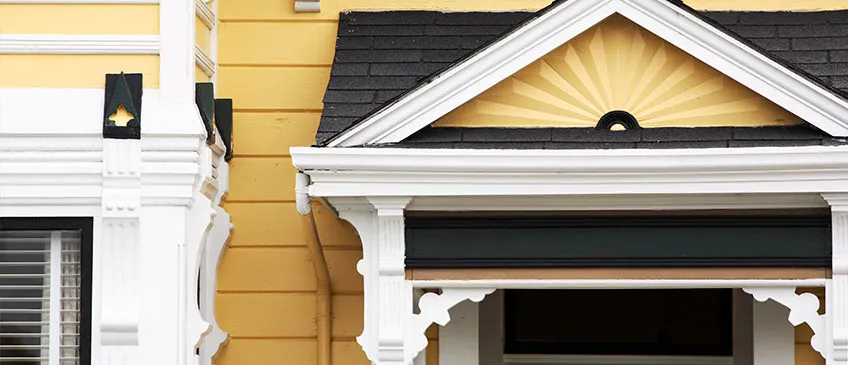
Wood gutters are traditional gutter systems made from a solid piece of lumber milled into a trough to direct water away from the home. They require careful installation and proper sealing, but when maintained properly, they can last up to 50 years.
If existing wood gutters have become rotted or damaged, replacing them with the same material can help preserve a home’s original architectural character. Some homeowners also choose wood gutters for their natural, handcrafted appearance, even on newer homes with traditional styling.
Before deciding, it’s important to understand the pros and cons of wood gutters and whether they’re a practical choice compared to modern gutter materials available today.
In this article:
- What Are Wood Gutters?
- Benefits of Wood Gutters
- Drawbacks of Wood Gutters
- Selecting the Right Wood Species
- Where to Buy Wood Gutters
- Comparison: Wood vs. Aluminum and Vinyl Gutters
- Should You Choose Wood Gutters?
- Considering a More Durable, Low-Maintenance Gutter Option?
- Frequently Asked Questions
What Are Wood Gutters?
Until the 1960s, wood—most commonly redwood, cedar, or cypress—was the standard gutter material before aluminum and vinyl became more widely available and affordable.
Today, wood gutters are mostly featured on older homes and restoration projects to maintain the historic architectural details. Some homeowners choose to install them on newer homes to achieve a traditional, custom aesthetic that modern materials can’t replicate.
Benefits of Wood Gutters
Wood gutters offer a number of benefits over their aluminum and vinyl counterparts. If you’ve never considered wood gutters, some of these benefits might surprise you. Despite other available materials, wood gutters remain an option for homeowners who value historic accuracy, customization, or natural materials.
Historic Authenticity
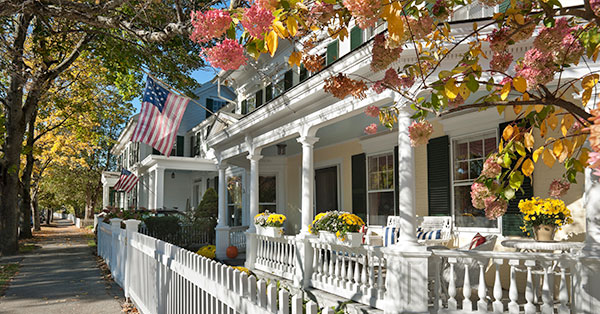
For homes built before 1960, wood gutters were standard. If your home has wood gutters that are in need of replacement, choosing to stick with the same material can maintain the historic authenticity of the home’s style. Wood gutters appear very authentic and can really complement a historic home’s aesthetic.
Tailorable Designs
Wood gutters are custom-fabricated, allowing them to match traditional home designs and fit seamlessly into unique dimensions and profiles. The wood allows for a customized size, shape, and front profile. Wood gutters can also be stained or painted to match the home’s style.
Curb Appeal Benefits
One of the best advantages of wood gutters is their distinctive curb appeal. Their customized nature instantly sets them apart from the standard aluminum and vinyl gutters commonly seen on modern homes. While wood gutters likely won’t add home value on their own, they can enhance buyer perception by reinforcing historical accuracy and architectural integrity.
Durable
Although wood is a natural material, properly constructed wood gutters are surprisingly durable. They’re typically made from cedar, redwood, or cypress, all of which offer natural moisture and decay resistance. When they are properly sealed at the joints and the interior is oiled regularly, it enhances their durability and ability to resist moisture. When cared for properly, wood gutters can last up to 50 years.
Drawbacks of Wood Gutters
Although wooden gutters look great and complement the exterior of a historic home, they are not without disadvantages. Higher upfront costs, ongoing maintenance requirements, and the need for specialized installation can be a deterrent for homeowners weighing their gutter options.
Higher Upfront Costs
Because of the complexity and niche nature of wood gutters, installation can be costly. Joints must be cut precisely and sealed properly, and the gutters need to be painted or sealed before they’re installed. Because they’re not the standard choice, homeowners have to find a manufacturer that specializes in wood gutters and pay for specialized installation. All of this leads to higher upfront costs.
on LeafFilter®

High Maintenance Needs
While wood gutters can be durable, that durability depends on consistent maintenance. Wood gutter upkeep typically includes painting or sealing the outside of the gutters once every year or two, depending on wear. You’ll also need to keep the inside of the wood gutters well-oiled with shingle oil or mineral oil. This prevents the gutters from drying out and cracking. Finally, they’ll need to be cleaned out at least once a year. If debris clogs your gutters, it will trap water, which can cause damage. The cleaner your gutters, the longer they will last.
Increased Fire Risk
Wood gutters pose an increased fire risk because they’re flammable, unlike metal gutters. This means they’re not the best choice for areas prone to wildfires. Check your local building codes to verify that wood gutters are allowed before you settle on them.
Selecting the Right Wood Species
The wood species you select for your gutters will impact cost and durability. Cedar and redwood are the most common options as they’re highly durable and naturally resistant to rot, pests, and moisture. Pine is another option, and while it’s less expensive, it’s more prone to damage from decay and pests. If you choose a less durable option, you’ll have to spend more time and money on maintenance to keep the wood gutters in good condition.
Where to Buy Wood Gutters
Since there are only a few manufacturers that specialize in wood gutters, they can be difficult to find. When choosing a manufacturer, make sure the company has ample experience manufacturing and installing wood gutters. Ask to see their portfolio and read reviews of the company to evaluate whether or not they have the skills necessary to take on your wood gutter project. The company should be able to explain its sealing process, give examples of its millwork, and share examples of its work.
Comparison: Wood vs. Aluminum and Vinyl Gutters
Comparing wood gutters with metal and vinyl gutters can help you make the best decision for your home. Make sure to factor in their appearance, the upfront costs, maintenance requirements, and their overall lifespan.
Wood gutters have the highest upfront cost because they require specialized manufacturing and installation. They also require frequent maintenance to make sure there’s no debris build up. They should be painted or sealed yearly to protect against moisture and rot. With the proper maintenance, however, they can last up to 50 years, though some only last between 10 and 20. Wood gutters offer a beautiful traditional appearance and enhance curb appeal, especially for traditional or historic homes.
Aluminum gutters are popular for their affordability and low maintenance needs. They typically last around 25 years and only require periodic cleaning to clear them of any built-up debris. Because aluminum is one of the most popular gutter materials, it won’t necessarily enhance the aesthetics, but it also won’t detract from them.
Vinyl is the most affordable gutter material and also has very low maintenance needs. They typically last between 10 and 15 years with periodic cleaning to keep debris out. As with aluminum, vinyl is a popular material that won’t detract from the home’s aesthetics.
| Gutter Material | Upfront Cost | Maintenance Frequency | Lifespan | Aesthetic Appeal |
|---|---|---|---|---|
| Wood | High | High | 20-50 years | High |
| Aluminum | Medium | Low | 25 years | Medium |
| Vinyl | Low | Low | 10-15 years | Medium |
Should You Choose Wood Gutters?
Wood gutters are best suited for historic homes, restoration projects, or neighborhoods where HOAs require period-correct materials. Before moving forward, you should check your local building codes and discuss the project with your HOA to verify that wood gutters are permitted.
They’re less ideal if you want to minimize ongoing gutter maintenance, so weighing the aesthetic and historic appeal against the increased cost and maintenance requirements can help you make your final decision. Though wood gutters are durable and can handle freeze-thaw cycles, if you live in a climate with extreme temperature swings or heavy rainfall, wood gutters may not be the best choice.
Before you commit to wood gutters, ask yourself the following:
- Will wood gutters fit into my budget?
- Do I have the time and skills to keep up with maintenance?
- Will they enhance the aesthetics of my home?
Considering a More Durable, Low-Maintenance Gutter Option?
If you are tired of the upkeep of wood gutters on your home, we recommend switching to an aluminum, steel, or vinyl gutter system. While these gutters may not capture the traditional charm that wood gutters do, they are a less expensive option with few maintenance requirements.
You can further reduce maintenance by installing a seamless gutter system, which helps eliminate weak points where gutters can leak, clog, or corrode. These gutters can be installed in combination with LeafFilter Gutter Protection, a system designed to defend your gutters from clogs and help protect your home for years to come.
Learn More About LeafFilter Gutter Protection.
Frequently Asked Questions
What types of wood are best for gutters?
The best types of wood for gutters are cedar, redwood, and cypress. You can also choose pine, but it lacks the rot and pest resistance of the other, more durable woods. Pine will cost less, but it also requires even more maintenance to keep it in good condition.
How often do wood gutters need maintenance?
Wood gutter exteriors should be painted or sealed at least once a year, and you should oil the inside of the gutter on the same schedule. To reduce the risk of clogs forming from trapped debris, clean the gutters once or twice a year, particularly after heavy wind and rain or in the fall as trees lose their leaves.
Can wood gutters handle freeze–thaw climates?
Wood gutters can tolerate freeze-thaw cycles with proper upkeep. Making sure to keep the gutters painted or sealed and oiling the inside can protect them from cracking and rotting when exposed to this weather cycle.
How do wood gutter costs compare to metal or vinyl?
Wood gutters cost significantly more than metal or vinyl gutters. Wood is a more expensive material and the customized nature and specialized installation requirements drive the cost up even more.
Are wood gutters an eco-friendly choice?
Wood gutters can be an eco-friendly choice because wood is a biodegradable material and a renewable resource. Choosing sustainably sourced wood makes them even more eco-friendly. One concern is that stained or painted wood will need to be disposed of at waste facilities that accept it. If the gutters are in good condition, they can often be repurposed instead of discarded.