
Squirrels may look harmless when roaming around your yard, but these critters can be a real nuisance if they get into your gutters. The nests they build can cause damage to your gutters by adding extra debris and creating clogs that send water overflowing out of your gutters and into your yard, ruining landscaping and potentially damaging your foundation.
Squirrels can chew their way into attics through your insulation and keep chewing through cords, destroying your electrical wiring and putting your home at risk of fire. If squirrels have entered your home, their droppings can put you and your family at risk of serious diseases such as Hantavirus.
In this article, we’ll go over how to identify the signs of squirrels in your gutters, the damage they can cause, and how to humanely get rid of squirrels, so you don’t have to deal with clogged gutter problems or costly home repairs.
Why Do Squirrels Get Into Gutters?
As temperatures drop, squirrels seek warm shelters for building nests to protect themselves from the cold and survive the winter. Squirrels can use gutters to gain access to the attic or roof of your home and set up a shelter in those warm, insulated spaces, creating havoc. Nearby food sources, such as a birdfeeder, trash can, outdoor kitchens, or areas where food is prepared, can attract cold and hungry squirrels.
Come spring, gutters provide the safety and shelter that squirrels search for during mating season, where they’ll give birth to litters of two to six young, creating a pest problem that can quickly get out of hand.
Signs of Squirrels in Gutters
Squirrels in gutters can lead to damage and costly repairs. Getting ahead of pest control problems, or catching them early by understanding what to look out for, can help you get ahead of problems before they lead to the need for expensive repairs to your home.
- Scratching noises: Squirrels have sharp claws that are useful for climbing trees, but noisy and destructive when it comes to gutters. If you hear scratching noises or see scratching on your gutters, it could be a sign of squirrel activity.
- Chewed or dented gutter edges: A squirrel can chew through just about anything for warm shelter. Look out for gnaw marks on gutters, particularly around the edges or on your roof or soffits. Check for any missing pieces of the gutter that may have been chewed off.
- Nests made of leaves/twigs: Unlike normal buildups of leaves, squirrel nests are compact and could use a mix of leaves and materials from your home. Check for leaf piles that look dense or that are placed strategically in warm and dry areas of the gutter.
- Droppings or debris: Spotting squirrel droppings is an indicator that squirrels are in and around your gutters. Their feces can be a hazard, full of disease-causing bacteria. It’s best to avoid contact with droppings and hire pest control professionals to safely clean up.
The Gutter Damage Squirrels Can Cause
Once squirrels get into your gutters or attic, the damage can be extensive and expensive. From chewed holes to clogged gutters, these pests can create costly repairs, water damage, fire risks, and even health hazards.
- Gutter Holes: Squirrels have extremely strong teeth, and are known to chew holes in gutters. These holes can lead to water leaks, which can lead to rotting and weakening roofs and fascia, resulting in costly replacement or repair.
- Gutter Clogs: Squirrel nests clog gutters, and can cause water to overflow, flooding landscaping or causing foundation issues.
- Electrical Damage: If squirrels enter the roof or attic, they are highly likely to chew through important insulation, electrical wiring, and wooden structures. Damaged electrical wires are a serious fire hazard
- Water Damage: Squirrels can chew through roof shingles and fascia to access the attic, leaving behind holes for other pests or water to enter. Water leaks inside the home can create long-term structural and mold issues.
- Health Risks: Droppings from squirrels can transmit diseases such as Salmonellosis, Leptospirosis, Hantavirus, and harbor parasites. Squirrel droppings in the attic risk being inhaled or contaminating your food or water sources.
Steps for Getting Rid of Squirrels In Gutters
When it comes to getting rid of squirrels in your gutters, there are laws and regulations at the state and local levels to consider for humanely removing squirrels or preventing their presence in the first place. Natural strategies for preventing squirrels in the home include using scent deterrents such as coyote urine, plastic owls, and trimming trees. While live traps may sound like a good idea, they risk injuring squirrels, leaving them exposed to elements or predators, or even separating them from their babies. Relocation of squirrels is illegal in most states because it’s proven ineffective and results in a high mortality rate. The best way to deal with squirrel infestations is to prevent them through proactive steps that protect your home and surrounding wildlife by eliminating all entry points and practicing routine maintenance.
Natural Deterrents
Use Predator Urine: You may not realize it, but predator urine deters pests from congregating around your home. You might consider soaking rags with the liquid and placing them around downspouts and in your landscaping. Since the animals do not like the smell, they’ll be less likely to cozy up in your gutters.
Try Scents: Squirrels have sensitive noses, and strong scents can deter them from entry points. Peppermint oil has an overpowering minty aroma that squirrels find unpleasant and can be sprayed in large areas such as gutters. Spicy scents such as chili powder, cinnamon, or peppers can also be used, or rags soaked in garlic or vinegar.
Habitat Modifications
Trim back trees: Take a look at the tree branches that surround your home. You’ll want to consider trimming back any trees or branches that may act as a path to get into your gutters.
Keep your deck or patio clean: Since squirrels are attracted to leftovers and food scraps, be sure to clean up your barbecue area or outdoor grill after cooking.
Gutter Upgrades
Keep your gutters cleaned out: It’s important to ensure your gutters are cleaned out. Squirrels will be attracted to dirty gutters as they can make a cozy home for them to take over. After climbing the ladder to clean out your gutters, use a spray to hose down the gutters, flushing any dirt, grime, and nests from the system or try out homemade gutter cleaning solutions.
Add LeafFilter® CritterGate: The new LeafFilter CritterGate Downspout Adapter extends your LeafFilter protection all the way to the ground—sealing off the last entry point for pests and helping ensure your system is truly complete. Homeowners love CritterGate because it permanently blocks pests like rats, birds, and squirrels while completing the fully enclosed LeafFilter system for total gutter and downspout protection. Its precision-engineered design prevents sagging, eliminates nesting spots, and helps give your gutters a clean, finished look for lasting peace of mind.
Direct Removal
Use a squirrel trap: Live-catch squirrel traps are available at most hardware stores, but are not considered humane options for removing squirrels because they risk injury. Keep in mind that certain species of squirrels are illegal to trap or kill. Local regulations on trapping, relocation, and euthanization vary. You can find your state agency by calling the U.S. Fish and Wildlife Service or searching online resources.
Contact a pest control specialist: If the situation becomes serious, you may need to contact a pest control specialist to get it under control. The specialist may set up custom traps to catch the squirrels.
Prevent Squirrels from Getting Into Your Gutters
Taking proactive measures, such as gutter maintenance and protection, is a key step in preserving your gutters and home. With just a few steps, you can keep your home safer and better protected from pests and avoid dealing with costly repairs.
- Start by trimming trees that could provide pathways to the roof
- Seal all potential entry points, such as in gaps in roof vents or chimneys, with hardware cloth or metal flashing.
- Keep the roof and gutter area clear of debris or schedule regular gutter cleanings with professionals such as LeafFilter.
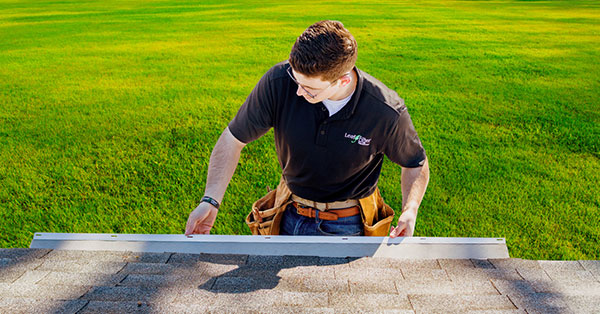
One surefire way to keep squirrels out of your gutters is with an effective gutter protection system, like LeafFilter. LeafFilter Gutter Protection is professionally installed onto your existing gutters and helps keep out debris from entering your gutters. Its patented design pulls water in, while blocking debris from entering inside your gutter system, creating a safe and reliable shield against pest infestation.
Frequently Asked Questions
How can I tell if squirrels are nesting in my gutters?
First, listen for movement. If you hear scratching, tapping, chewing, or gnawing noises, those are signs that squirrels are present. Listen for the communication sounds they make, such as screeches, rattles, snorts, or chirping. Next, search for any visible nesting materials such as compacted leaves, and increased gutter debris, as well as gnaw marks, claw scratches, or droppings.
Are live traps the most humane way to remove squirrels?
No, live traps risk physical injury while causing the squirrel significant stress. If traps are used, it’s best to check them frequently to help prevent squirrels from being exposed to the elements without food or water. Trapping squirrels in the spring or summer can separate them from their babies, who cannot fend for themselves and may cause damage out of desperation to survive. Local and state regulations regarding trapping and relocation vary, with most states prohibiting relocation because it leads to high mortality rates. The most humane way to remove squirrels is to wait for them to leave or lure them out and seal the entry points. Eliminating entry points and preventing squirrels from returning is the most effective long-term solution.
Will gutter guards keep squirrels out of my gutters?
Gutter guards can help prevent squirrels from getting into gutters, and are an important part of a pest control solution. However, inexpensive plastic or foam guards may not be enough to keep squirrels out. Gutter guards with a stainless steel micromesh, like LeafFilter’s, that are strong enough to stop squirrels from chewing through, should be used. Correct installation is important; any gaps could provide entry points for critters. Be sure to cover downspouts and prevent critter infestation by trimming overhanging tree branches and managing leaf debris. LeafFilter’s CritterGuard can also help seal off downspouts, an entry point for many unwanted gutter guests.
What repellents are safe to use around gutters?
Scent and taste deterrents can be a safe method for keeping squirrels away from gutters. A common practice is using peppermint, citronella, eucalyptus, or lavender essential oils combined with water in a spray bottle and a splash of vinegar. Essential oils are strong and should be aimed at the gutter edges and fascia board, not directly at plants. Apply carefully and avoid oversaturating areas that could run off into soil and harm plant beds. Soaked rags or soaked cotton balls can also be used for a more targeted approach. Pets can be sensitive to essential oils, so be sure to keep them away during spraying and keep soaked rags out of reach. Most gutter materials can withstand sprays with scents, but plastic gutter guards or painted aluminum could degrade over time. Try rotating peppermint or eucalyptus, so squirrels don’t get comfortable.
When should I call a professional for squirrel removal?
Squirrels in your gutters can quickly get out of hand, and it’s best to contact professionals as soon as you become aware of their presence. Squirrels have babies twice a year with litters of one to six, meaning one squirrel can become a dozen squirrels fast. Damage to gutters and chewed wires is hazardous and can create water damage and a high risk of fire. Professionals are equipped with the tools and safety measures to navigate accessing roofs and handling wildlife.