
What are Gutter Guards? Why Do I Need Them?

For homeowners, gutter guards can help reduce gutter maintenance and cleaning. Designed to let water flow through while blocking leaves and debris, gutter guards can reduce the likelihood of clogs that disrupt proper drainage.
This guide will walk you through what gutter guards are, the differences between the various types, and whether or not they’re worth it for your home.
In this article:
- How Do Gutter Guards Work?
- Why Do Homeowners Use Gutter Guards?
- Different Types of Gutter Guards
- Gutter Guard Types: How They Compare
- Pros and Cons of Gutter Guards
- Are Gutter Guards Worth It?
- Frequently Asked Questions
How Do Gutter Guards Work?
In order for your gutters to remain effective, gutters and downspouts need to be free of debris. If neglected, your gutters can be clogged with debris, leaves, and more, which can impede your system’s performance. With no place to go, water can pool over the side of your gutters, gather around the base of your home, and lead to serious issues. This is where gutter guards come in.
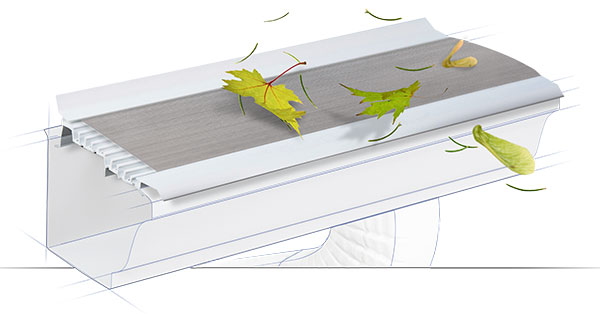
Installed over or inside of a gutter, gutter guards work by helping to block debris from entering the gutter alongside rainwater, allowing water to pass through the system more freely. These guards can be made from materials such as micro-mesh, foam, and brushes.
Why Do Homeowners Use Gutter Guards?
Effective gutter guards provide a variety of benefits. One key benefit is helping protect the home from water-related damage. Over time, clogged gutters can lead to consequences, including rotting fascia and soffit, foundation damage, and mildew. With gutter guards, debris in the gutters may be reduced, allowing the water to flow away from the home as intended. Guards are also designed to reduce the frequency of gutter cleaning and maintenance.
Different Types of Gutter Guards
While a gutter protection system is important, it’s equally as important to find the right gutter guards for your home. Each type of gutter guard varies in design and application, with its own set of maintenance needs and durability. When comparing options, it’s important to know the cost of each type, its lifespan, and maintenance requirements.
Brush Gutter Guards
These are cylindrical devices filled with bristles that look like large pipe cleaners that fit directly into your gutters, catching debris while allowing water to flow.
- Key limitation: Has higher maintenance needs due to the likelihood of debris accumulation in the bristles.
- Best for: Homeowners seeking a quick and inexpensive solution with a willingness for regular maintenance.
Foam Gutter Guards
Designed to fit inside the gutter, these inserts, which are usually made of polyurethane, allow water to pass through while blocking larger debris.
- Key limitation: The porous material can hold water and break down quickly, making it a short-term solution compared to other types.
- Best for: Those who want a straightforward DIY-friendly install but are prepared for regular replacement.
Screen Gutter Guards
These flat or curved perforated screens are placed over gutters, filtering out leaves and debris.
- Key limitation: Can warp or detach in severe weather and may not filter finer debris.
- Best for: Budget-conscious homeowners looking for an easy, do-it-yourself option.
Mesh and Micro-Mesh Gutter Guards:
These high-grade products use fine mesh to keep out debris while allowing water to flow freely. Surface debris may still require occasional clearing. Standard mesh guards are designed to block larger debris, while micro-mesh provides finer filtration that helps limit smaller debris.
- Key limitation: Higher initial cost, professional installation often recommended.
- Best for: Homeowners seeking a long-term, low-maintenance solution with superior performance.
Reverse Curve Gutter Guards
These systems use a curved hood to direct water into the gutter while keeping out debris using water flow and gravity.
- Key limitation: Can be more expensive, may require professional installation.
- Best for: Homes in regions with frequent rain, where minimal maintenance is desired.
Gutter Guard Types: How They Compare
| Gutter Guard Type | Maintenance Level | Common Pros | Common Cons |
|---|---|---|---|
| Brush Guards | High | Easy to install, low upfront cost | Debris gets trapped in bristles; frequent cleaning required |
| Foam Inserts | High | Simple install, blocks large debris | Can clog with fine debris, prone to mold, shortest lifespan |
| Screen Guards | Moderate | Affordable, DIY-friendly, easy to remove | Fine debris can pass through, may shift in storms |
| Mesh Guards | Moderate | More durable than screens, better filtration | Surface debris buildup possible; some small debris can still enter |
| Micro-Mesh Guards | Low | Excellent filtration, reduced cleaning frequency | Higher upfront cost, surface debris may need occasional clearing |
| Reverse Curve | Low to Moderate | Long lasting, diverts large debris | Visible from the ground, higher cost |
Pros and Cons of Gutter Guards
Gutter guards can offer homeowners a solution to help reduce the likelihood of clogged gutters while also reducing how often gutters need to be cleaned out. However, across every gutter guard type, there are pros and cons to consider.
Pros:
- Reduced gutter cleaning frequency
- Helps prevent clogs and overflow
- Protects gutters from debris buildup (with some, like micro-mesh, working better than others)
- Better water flow management
- Can extend gutter lifespan
Cons:
- Not maintenance-free
- Performance varies by design and environment
- Some systems require professional installation
- If installed incorrectly, gutter guards can damage the gutters
- Upfront costs vary
How to Choose the Right Gutter Guard for Your Home
When it comes to adding a gutter guard to your home, some of your main considerations are likely your tolerance for ongoing maintenance and your budget. Lower-maintenance systems often come with a higher upfront cost but may last longer and require fewer cleanings over time.
We also recommend that you consider your home’s environment, including tree coverage and the type of debris you’re dealing with, annual rainfall, overall climate, and even your roof access for maintenance. Homes with heavy tree coverage or fine debris may benefit the most from higher-filtration options such as micro-mesh, while homes with less debris or rainfall may perform just fine with a simple brush or screen guard.
Are Gutter Guards Worth It?
Gutter guards are worth it for homeowners looking to reduce clogs, manage water flow more effectively, and cut down on how often gutters need to be cleaned. That said, their effectiveness depends upon the environment around the home, the quality of the guard, and whether it is installed and maintained properly.
They often make sense for homes with heavy foliage, frequent storms, or difficult-to-access gutters, but they may offer less value for homes with little rainfall or infrequent debris issues. Understanding your local conditions and maintenance preferences can help you decide whether a gutter guard system is a worthwhile investment for your home. If you’re considering adding micromesh gutter guards to your system, contact LeafFilter for a free consultation.
Frequently Asked Questions
Do gutter guards prevent all clogs?
No gutter guard can prevent every possible blockage under all conditions. However, LeafFilter’s professionally installed system is backed by a clog-free guarantee, meaning if the interior of the gutter becomes clogged due to debris entering through the system and causes water to overflow, LeafFilter will service the issue for free, according to the terms of the warranty. While surface debris can still collect and may need occasional clearing, the system is designed to significantly reduce the conditions that lead to clogs inside the gutters.
What maintenance do gutter guards still need?
Even with gutter guards, periodic inspection and cleaning is recommended, usually once or twice a year. Depending on the type of guard and the surrounding environment, homeowners may need to clear out debris from the surface, check downspouts, or rinse the system after heavy storms or seasonal leaf drop. This maintenance is typically lighter than cleaning out unprotected gutters.
Can gutter guards be installed on existing gutters?
Yes, many gutter guards are designed to be installed on existing gutters, though compatibility depends on gutter size, roof edge design, and the type of guard. LeafFilter is professionally installed on top of your current gutter system, so it does not require replacing your gutters or altering your roofline. During installation, technicians evaluate gutter condition, roof edge, and pitch to ensure proper fit and performance. If gutters are damaged or improperly sloped, adjustments or repairs may be needed before installation.
What are the main benefits of installing gutter guards on my home?
The main benefit of gutter guards is that they reduce how often gutters need to be cleaned by limiting the amount of debris that enters the system. This helps gutters drain more consistently and lowers the risk of overflow that can contribute to issues like fascia damage, foundation erosion, or landscape washout. Many homeowners also appreciate the convenience of fewer ladder trips and less ongoing maintenance.
How much do gutter guards cost and what factors affect the price?
The cost of gutter guards varies widely based on several factors, including the type of guard, the size and layout of your home, roof height and pitch, local labor rates, and whether professional installation is required. DIY options tend to cost less upfront, while professionally installed systems typically cost more but may offer greater durability and warranty coverage. Because of these variables, pricing is usually determined after an on-site evaluation.