
5 Spring Gutter Problems That Often Start With Winter Buildup
Spring rain has a way of quickly revealing gutter problems. What looks like a simple overflow in April often began months earlier, as winter storms leave trapped moisture, twigs, leaves, and runoff. Once spring arrives, pollen, blossoms, and seed pods add to the buildup, forming stubborn clogs that slow water flow.
Spring is a key time to clear out winter debris before the rains pick up. Catching blockage early helps protect your roofline, siding, and foundation. In this article, we cover the most common post-winter gutter issues homeowners may notice in spring, plus what to do next.
Spring Gutter Problems at a Glance
Before getting into the details, it helps to know what to watch for. Many common spring gutter problems start with buildup left behind from winter. Here are five of the most common issues homeowners may spot once spring rain begins:
- Gutter overflow during spring rain: Water spills over the edges because clogs block the downspouts.
- Standing water and extra gutter strain: Trapped moisture adds weight, which can cause sections to sag or separate.
- Water stains on siding, fascia, and trim: Overflowing water leaves streaks and can wear down exterior surfaces.
- Poor drainage near the home: Blocked downspouts may cause water to be dumped too close to the foundation.
- Moisture in basements or crawl spaces: Saturated soil near the home can lead to dampness, leaks, and musty odors indoors.
Why Winter Buildup Causes Spring Gutter Problems
Winter can be tough on your roofline. Storms often leave behind twigs, leaves, grit, and other debris that collect in your gutters. As temperatures warm, spring adds yet another layer with sticky pollen, blossoms, and seed pods. Together, that buildup can create thick, moisture-heavy clogs that reduce water flow.
When gutters cannot move water efficiently, the entire system can suffer. Spring is a good time to clean out winter debris before regular rain makes hidden clogs more obvious. Even if you don’t do a full cleaning, regular visual checks can help you spot loose, leaking, or sagging sections early.
Complex rooflines, nearby trees, local climate, and heavy storms can all increase the chances of buildup inside your gutters. Staying on top of these issues can help prevent a minor clog from becoming a major repair.
1. Gutter Overflow During Spring Rain
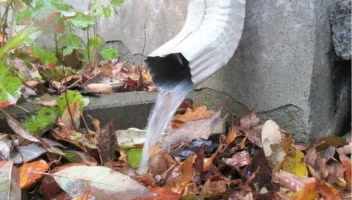
Gutter overflow is a clear signal of a spring clog. Often noticed when rain hits a system already blocked by winter debris. Instead of draining through downspouts, water hits leaves and twigs and spills over the edge.
Homeowners often notice water pouring over the sides during a storm. You may also see dark streaks on your siding or splashing around the base of your home. Sometimes, the downspouts barely trickle, even during steady rain.
This matters for two reasons. First, overflow can make your home look aged and less maintained. Second, it can send water toward areas where it doesn’t belong, including the roofline, fascia, and exterior walls.
How to Fix Gutter Overflow
Step outside during the next rainstorm and watch how your gutter system performs. If there is lightning or thunder, wait until it passes before going outside. Look for visible debris from the ground. If you notice water spilling over, it may be time for a cleaning or inspection before heavier spring weather arrives. Gutter protection can also help reduce recurring buildups and make seasonal upkeep easier.
Homes Most Likely to See This Problem in Spring
Homes in areas with frequent spring storms or heavier rainfall, such as the Pacific Northwest, Midwest, or Northeast, may be more likely to see overflow issues. Homes under mature trees or near wooded areas may also notice symptoms earlier because debris tends to accumulate more quickly.
2. Standing Water and Extra Gutter Strain
When sections of your gutter become blocked, they trap water. Wet debris is heavy, and leftover winter residue combined with spring moisture adds more weight to your system.
Standing water can cause holes, gaps, rust, and corrosion over time. You may notice sagging sections, lingering water after a storm, or stressed joints and seams. Drainage may still be slow even with light rainfall.
This added weight strains the hangers that support the system. Weak spots are often more noticeable in spring, especially after months of buildup.
How to Fix Standing Water and Gutter Strain
First, check your roofline for visible sagging or pooling. Inspect the hangers and seams to make sure everything looks secure. Addressing buildup before the next heavy rain can help keep your gutters working properly and lessen wear over time.
Homes Most Likely to See This Problem in Spring
Houses in the Midwest, Northeast, and Pacific Northwest are at higher risk for poor drainage. Flatter lots or short downspouts increase the likelihood of pooling.
3. Water Stains on Siding, Fascia, and Trim
When gutters overflow or leak, water has to go somewhere. Often, it runs straight down the side of your home. Repeated moisture exposure can wear down fascia boards, trim, and siding faster than many homeowners expect.
Dark streaks beneath the eaves are a common warning sign. You may also notice peeling paint, discoloration, mildew, splash marks, or soft trim boards. These signs often show up as the seasons change and spring rain becomes more common.
This kind of damage can make your exterior look older and neglected. It also suggests that water may not be moving safely away from your home.
How to Fix Water Stains
Check fascia and trim closely for soft spots or visible wear. Wash affected siding where needed to help prevent permanent staining. Then address the gutter or drainage issue before more moisture-related damage develops.
Homes Most Likely to See This Problem in Spring
Homes in places with frequent spring storms, such as the Northeast and Midwest, may be more likely to show exterior water stains. Properties surrounded by dense trees or homes with older wood siding or exterior finishes may also show wear more quickly when gutters back up.
4. Poor Drainage Near the Home
A functional gutter system should move water from the roofline to the ground and away from your home. When clogs prevent downspouts from draining efficiently, water can end up right where you don’t want it.
You may notice pooling water near the base of the house, muddy areas that take a long time to dry, or erosion around landscaping beds. In some cases, the downspouts may seem ineffective during a storm because water isn’t moving through them as it should.
Over time, poor drainage can affect more than just appearance, from cracks and leaks to basement flooding. It can ruin landscaping, cause messy pooling, and indicate a gutter issue that has moved beyond the roofline.
How to Fix Poor Drainage
Check where your downspouts discharge. Clear any ground-level blockages and look for low spots near the home’s foundation where water may be collecting. If needed, extend your downspouts so they direct water farther away from your foundation walls.
Homes Most Likely to See This Problem in Spring
Houses in regions with persistent or heavy spring rain, such as the Midwest, Northeast, and Pacific Northwest, may be especially at risk for poor drainage near the home. Properties on flatter lots or homes with shorter downspouts may also be more likely to experience pooling.
5. Moisture Issues in Basements or Crawl Spaces
If water is not being directed away from your home, it can eventually saturate the soil near the foundation. Spring rain, melting snow, and rising groundwater can add even more pressure around the lower levels of your house.
You may notice musty odors, damp spots on basement walls or floors, or condensation on windows and pipes. In some cases, the lower level of your home may simply feel more humid than usual. These signs can be easy to miss at first, but they may point back to poor exterior drainage.
This is a good example of how a gutter problem can become a whole-home concern. When water is not managed properly outside, it can start showing up indoors.
How to Fix Basement Moisture Problems
Check your lower-level spaces after heavy rain. Clear out your gutters, make sure your downspouts drain water away from the house, and review your exterior grading. If moisture is becoming a continuing problem, it may help to learn more about how basement waterproofing can help keep your foundation drier.
Homes Most Likely to See This Problem in Spring
Homes in areas with high water tables or heavy spring rainfall, such as the Midwest and Northeast, and in low-lying neighborhoods, may be more likely to experience basement or crawl-space moisture. Older foundations, poor grading, or landscaping that directs water toward the home can also increase the risk.
How to Break the Cycle Before Spring Problems Return
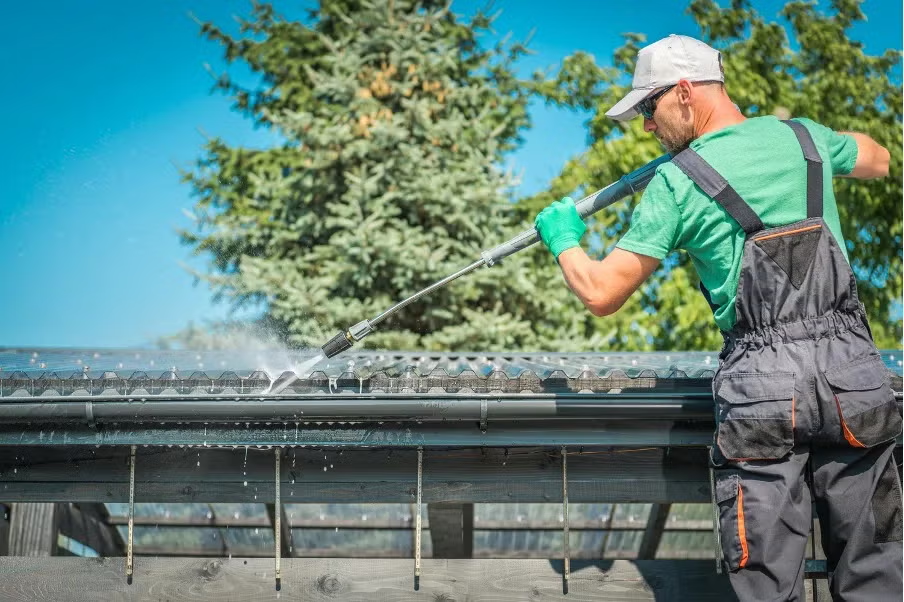
Spring cleaning helps, but periodic inspections matter, too. The best way to avoid recurring clogs is with a forward-thinking approach. At LeafFilter, we recommend quarterly visual checks and seasonal gutter cleaning, based on your climate and surrounding vegetation.
Start by inspecting your gutters after winter and before peak spring rains. Act on any overflow, standing water, staining, or drainage, you observe. Adjust timing based on your surroundings and local climate to safeguard your home.
Homes with gutter guards still benefit from periodic visual checks. But they typically require less gutter cleaning than open gutter systems.
If you want to simplify your seasonal upkeep, a professionally installed gutter protection system can help reduce debris buildup and keep leaves and twigs out of your gutters. This is especially helpful for homes that deal with the same spring gutter problems year after year. By keeping the system clear of debris, you can avoid spring rain gutter issues and help protect your roof, siding, and foundation from ongoing water damage.
Frequently Asked Questions
What causes spring gutter problems?
Spring gutter problems often start when leftover winter debris combines with new spring materials like pollen, blossoms, and seed pods. This buildup can form dense clogs that block water flow during rainstorms.
Can winter debris still affect gutters in spring?
Yes. Twigs, leaves, and roof grit left behind during winter can remain trapped in the gutter system. When spring rain arrives, this buildup can keep water from reaching the downspouts properly.
Why do gutters overflow more in spring?
Spring usually brings more frequent rain, and in some areas, melting snow can also add to the water load. If the system is already clogged from winter, water may have nowhere to go but over the edges.
Can clogged gutters cause drainage problems around the home?
Yes. When gutters clog, water can spill over the sides or drain too close to your home. That can lead to pooling, soggy soil, and drainage issues around the foundation.
How often should gutters be checked after winter?
A visual inspection in early spring is a smart place to start. Homes with nearby trees, heavier storms, or seasonal buildup may benefit from more frequent checks throughout the year.
Do gutter guards help with spring gutter problems?
Yes. Gutter guards help block leaves, twigs, and large debris from entering your gutter system. Though occasional visual checks are still a good idea, gutter guards can help reduce the buildup that leads to spring clogs.
Protect Your Home Before Spring Rain Picks Up
Many spring gutter problems are really just post-winter issues that were not yet visible. Acting early in the spring season can help prevent bigger headaches once the heavy rain arrives.
Start at the roofline, follow the path of the water down to the ground, and address small problems before they spread. Consistent maintenance can help keep your home protected, dry, and looking its best.
If you want to cut down on seasonal cleanings, LeafFilter can help reduce gutter buildup and make upkeep easier year-round. Schedule your free LeafFilter estimate today.