
Are Gutters Necessary?
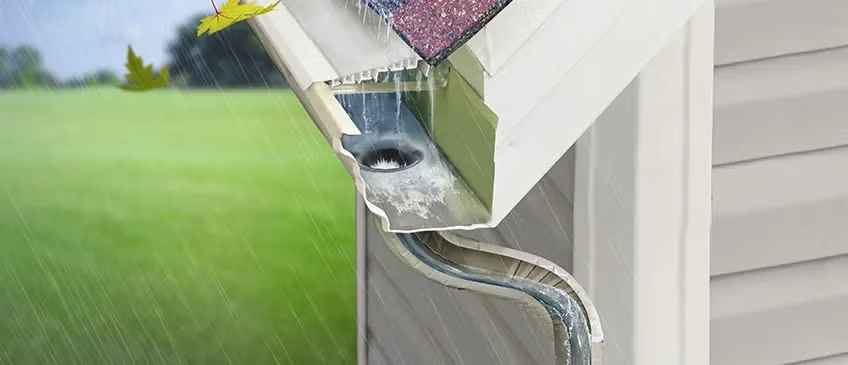
Most homes benefit from gutters, but there are limited situations where they may offer less value. Gutters are channels installed along the edge of your home’s roof that collect rainwater and snow melt and direct it away from your home through downspouts. While they are often “out of sight, out of mind,” they play a vital role in protecting the home’s roof, foundation, siding, and landscaping.
Necessity depends on the local climate, roof design, soil, and drainage around the home. In this article, we’ll cover the situations where gutters are necessary versus the cases in which they’re optional, as well as the pros and cons of installing gutters on your home.
In this article:
- Why Are Gutters Important?
- When Are Gutters Necessary?
- When Might Gutters Be Optional?
- Pros and Cons of Having Gutters
- How to Reduce Gutter Maintenance
- When Should Gutters Be Replaced?
- Are Gutters Necessary for Your Home?
- Protect Your Home with Reliable Gutters
- Frequently Asked Questions
Why Are Gutters Important?
Gutters are responsible for channeling water away from your home and carrying it away from the foundation, siding, windows, and doors. When gutters are missing, damaged, or improperly installed, water can pool where it shouldn’t, leading to foundation issues, moisture intrusion, and landscape erosion and potential basement flooding. Understanding what gutters do can help you decide whether they’re necessary for your home and how important proper installation really is.
Directing Water Away From the Foundation
When rainwater saturates the soil around a home’s foundation, it increases hydrostatic pressure, which pushes against basement or crawl space walls. Over time, this pressure can lead to cracks, bowing, or moisture intrusion. Slab foundations are also vulnerable, as excess water can contribute to cracking and uneven settling. Gutters and downspouts help control runoff by directing water several feet away from the foundation, reducing prolonged soil saturation and lowering the risk of structural damage.
Preventing Water Damage to Siding and Rooflines
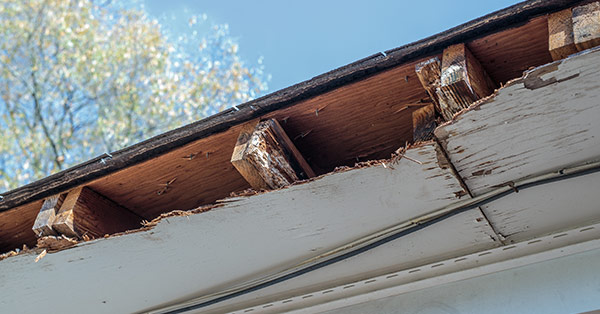
Without gutters, rainwater can cascade directly off the roof and repeatedly soak siding, fascia, trim, and roof edges. Persistent moisture exposure increases the likelihood of mold and mildew growth and can cause wood components like fascia boards, trim, and sheathing to rot over time. Properly installed gutters route water away from these vulnerable areas, helping protect the exterior envelope of the home.
Reducing Soil Erosion and Landscape Damage
Uncontrolled roof runoff can erode soil around the perimeter of a home, washing away landscaping, disrupting grading, and undermining walkways or driveways. Concentrated water flow can also create trenches or low spots near the foundation. Gutters help distribute water more evenly and direct it to safer discharge points, preserving soil stability and protecting landscaping investments.
Minimizing Basement and Crawl Space Moisture
The same hydrostatic pressure that causes cracks in the foundation can also force moisture through the foundation walls, contributing to damp basements and crawl spaces. This raises the risk of mold, mildew, and structural deterioration. By directing runoff away from the home, gutters help limit prolonged soil saturation to support a drier, more stable foundation.
When Are Gutters Necessary?
The International Residential Code (IRC) doesn’t require gutters, but state and local building codes often require that water from the roof be directed away from the home. Gutters are one of the easiest ways to accomplish this, but gutter alternatives include rain chains, French drains, and drip edge systems. Most homes benefit from having gutters, especially homes that fit in the following categories:
- Homes in areas with moderate to heavy rainfall or snow: The amount and frequency of rainfall in your region will influence the type of gutter system you need. If you live in a region with heavy rainfall, like the Pacific Northwest, or areas with significant snowfall, such as the Upper Midwest, investing in a robust gutter system is essential to manage water runoff effectively.
- Roofs with a large surface area or steep pitch: The design and pitch of your roof play a critical role in how much and how quickly water flows into the gutters. Roofs with a larger surface area will funnel more water into the gutters. Steeper roofs have increased water flow and may require larger gutters to prevent overflow.
- Homes on a slope or in a valley: Homes situated on slopes or in valleys have to take extra care to make sure water drains away from the foundation. Properly designed gutters can help manage this by channeling water away from your home.
- Properties with clay-heavy soil: Different soil types absorb water at varying rates. Clay-heavy soil absorbs more water which causes expansion and creates additional pressure on the home’s foundation. The appropriate gutter system manages water runoff and prevents this added pressure.
When Might Gutters Be Optional?
In some cases, gutters may provide less value. But before making this choice, it’s important to understand these unique situations — though even if your house falls into one of these, it’s still not a guarantee that gutters aren’t going to be a wise choice to protect your home.
- Homes with very wide roof overhangs may create enough space between the water runoff and the foundation, but the runoff still needs a path away from the home.
- Homes in a dry or arid climate with low annual rainfall may not need a gutter system.
- Homes situated on sandy or fast-draining soil that can effectively drain the rain water.
Keep in mind that these situations are exceptions to the norm — most homes benefit from a properly installed gutter system.
Pros and Cons of Having Gutters
While rain gutters help prevent water damage, they come with their own set of challenges. Let’s explore some of the most common pros and cons of installing and maintaining gutters:
Pros:
- Prevents water from pooling around your home’s foundation, protecting the foundation and basement from cracks, bulges, flooding, mold, and mildew
- Helps to prevent costly repairs due to water damage
- Channels water away from gardens and landscaping, preserving the health and aesthetics of your outdoor spaces
- Protects against wildfire damage by diverting leaves and other flammable debris away from the home.
Cons:
- Initial gutter installation costs can be high and vary based on the size and design of your home.
- Regular cleaning and maintenance is required for gutters to function properly.
- Clogged gutters can result in overflow and potential water damage and standing water might attract mosquitoes and insects. Debris buildup can also invite birds, rodents, and other pests looking for nesting sites.
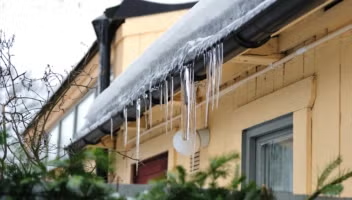
- In colder climates, improper gutter pitch can cause build up.
How to Reduce Gutter Maintenance
Maintaining gutters allows them to function properly so that they can help protect your home from water-related issues. Gutter maintenance typically means cleaning them periodically and inspecting them for damage. Neglecting maintenance can lead to clog and subsequent water damage to the roof and home. Here are a few tips for reducing gutter maintenance.
Routine Cleaning and Inspections
Clean out your gutters regularly and remove any leaves, twigs, or other debris to prevent clogs and water overflow. Doing this twice a year, at the end of spring and fall, will help keep them functioning properly. Throughout the year, regularly inspect your gutters and downspouts for any signs of damage or leaks, such as rust spots, holes, or sagging sections. Also check around the foundation for any soggy areas or pooling water.
Improving Performance With Gutter Guards
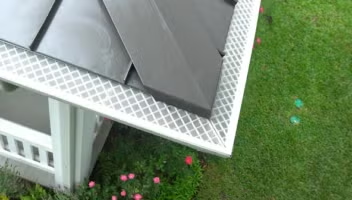
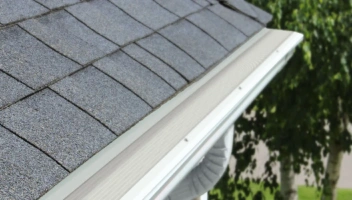
To minimize the amount of debris entering your gutters, you can consider installing gutter guards. These covers help keep leaves and other debris out while allowing water to flow freely into the gutters and through the downspouts. There are a few different types of gutter guards, including mesh, micromesh, gutter brushes, and reverse curve, and they offer different pros and cons. Gutter guards help reduce the amount of maintenance necessary to keep the gutters functioning properly throughout the year.
When Should Gutters Be Replaced?
Gutters are essential for most homes, but knowing when to replace them with new gutters can save you from significant water damage and higher repair costs down the road.
- Persistent clogs: If your gutters still clog frequently despite regular cleaning, it might be time for an upgrade.
- Rust or corrosion: Visible rust or corrosion can weaken your gutters, preventing them from functioning properly.
- Sagging or pulling away: Gutters that sag or pull away from the roofline indicate they can’t handle water flow effectively.
- Cracks and holes: Visible cracks or holes can cause leaks and reduce gutter efficiency.
We recommend investing in professionally installed gutters rather than DIY gutters. Professional gutter installation experts ensure your gutters are correctly fitted and pitched, maximizing their effectiveness. Additionally, consider installing a gutter guard system. Gutter guards block out debris, minimizing clogs and making maintenance easier. This small investment can save you time and money in the long run, keeping your home safe and dry.
Are Gutters Necessary for Your Home?
Most homes benefit from having gutters, but there are a few situations where they may be less critical. Whether gutters are necessary depends on your climate, roof design, soil conditions, and how water drains around your property. Use the guidelines below to help determine what makes sense for your home.
You likely need gutters if…
- You live in an area with frequent rain or snowfall
- Your home sits on a slope, in a valley, or on relatively flat ground
- The soil around your home is clay-heavy or slow-draining
- Your roof has a large surface area or steep pitch
You may not need gutters if…
- You live in a dry climate with minimal rainfall
- Your home is surrounded by sandy or fast-draining soil
- Your roof has wide overhangs that naturally direct water away from the foundation
Protect Your Home with Reliable Gutters
Gutters are a crucial component of maintaining your home’s integrity. By understanding the importance of seamless gutters and keeping them well-maintained, you can save on costly repairs and protect your property from water damage. If you’re considering installing or upgrading your gutter system, the LeafFilter team is here to help. Reach out to us to find the best solution for your home and enjoy a lifetime of protection—guaranteed!
Schedule your free no-obligation consultation today.
Frequently Asked Questions
Is there an alternative to gutters?
Yes, there are a few alternatives to traditional gutters, such as rain chains, drip edges, and ground gutters. However, these options might not be as effective in managing large volumes of water and protecting your home from potential water damage.
How often do I need to maintain or clean my gutters?
It’s recommended to clean out and inspect your gutters at least twice a year—once in the spring and once in the fall. If you have many trees around your home, you might need to do this more frequently, especially during the rainy season, to prevent clogs and ensure proper water flow.
What types of houses or structures don’t necessarily need gutters?
Homes with steeply pitched roofs that extend far beyond the walls might manage rainwater runoff more effectively without gutters. Additionally, structures in a dry climate like Arizona that don’t get much rainfall may not require gutters. However, most homes benefit significantly from having a proper gutter system.
Are gutters required by law?
Gutters are not required by the International Residential Code or by law in most areas. Some local and state building codes may require them based on their location and climate, but most areas require that water be simply directed away from the home.
Can gutters prevent foundation damage?
Gutters direct water away from the home’s foundation, which helps to prevent foundation damage. When water is absorbed into the soil or pools around the foundation, it increases pressure on the foundation, causing it to crack, bulge, or bow.