

The Pros and Cons of Gutter Guards: Are They Worth It for Your Home?
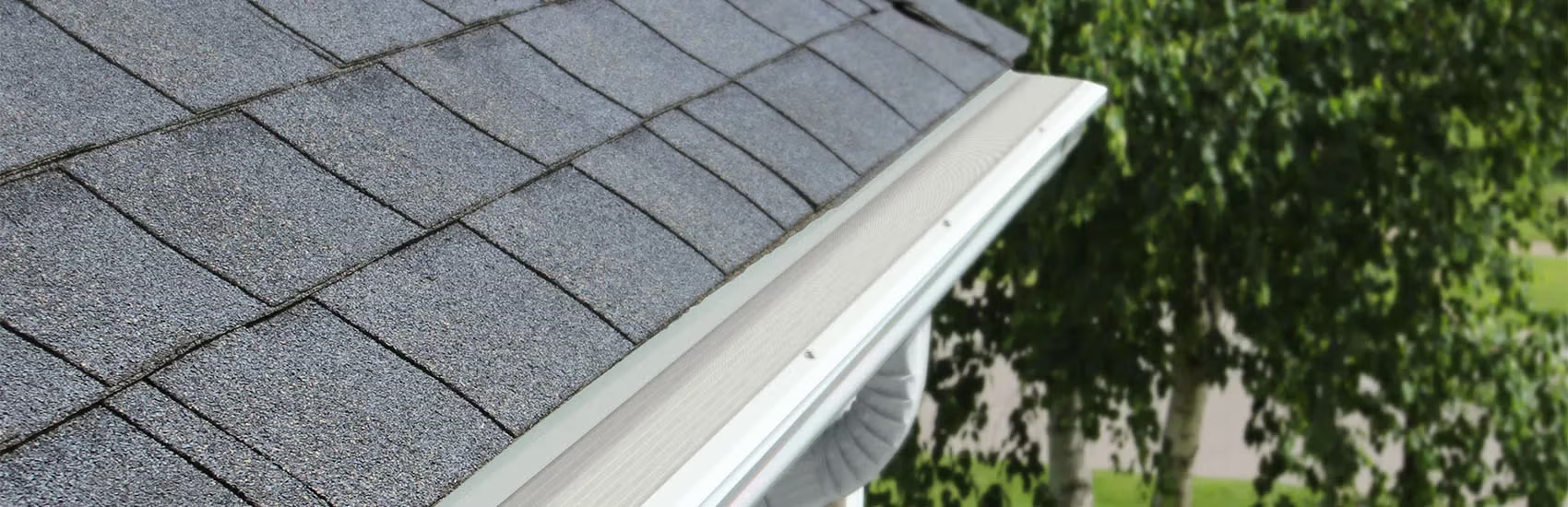
Gutter guards are protective covers or inserts that sit on top of your existing gutters and are designed to keep debris from forming clogs inside your gutters. By reducing the debris that enters your gutters, you can help keep rainwater moving away from your roofline and foundation, which lowers the risk of water damage and cuts down on frequent gutter cleaning.
With so many types of gutter guards available at different price points, it can be overwhelming to know which ones are most beneficial for your home. In this article, we explain how gutter guards work, the pros and cons of gutter guards, and some issues that people often ask about, making it easier for you to determine if gutter guards are worth it for your home.
In this article:
- How Do Gutter Guards Work?
- Types of Gutter Guards
- The Pros of Gutter Guards
- The Potential Cons of Gutter Guards
- Are Gutter Guards Right For Your Home?
- Frequently Asked Questions
How Do Gutter Guards Work?
Gutter guards help direct rainwater into your gutters while keeping out debris. The most reliable options use a fine stainless steel micromesh to block particles while allowing water to flow freely. LeafFilter’s surgical-grade screen also uses surface tension, enhancing the guard’s ability to pull rainwater through the mesh while blocking leaves and small debris. Best of all, the system installs directly onto your existing gutters,
While micromesh supports steady water flow, other styles often yield mixed results. Screen guards have larger holes that can allow debris to accumulate. Reverse-curve (or hooded) guards frequently struggle to capture water during heavy rainfall, and foam or brush inserts are often temporary solutions that require frequent replacement.
Types of Gutter Guards
There are several types of gutter guards on the market, and each one handles rainwater and debris in its own way. Knowing how they work can help you sort out which systems are truly protective and which ones are more of a short-term fix.
Micromesh Gutter Guards
Micromesh guards use a fine stainless steel screen that filters debris while still letting water move through the system. Micromesh gutter guards prevent leaves, twigs and common debris rom entering your gutters. LeafFilter’s patented surgical-grade stainless steel micromesh is designed to keep water flowing and protect your existing gutters.
Mesh and Screen Gutter Guards
Screen gutter guards work in a similar way, but the perforated cover has larger holes. Larger pieces of debris will wash or blow away, while smaller bits like shingle grit may accumulate in the gutters, potentially causing clogs. Many homeowners find that these screens help a little, but still need regular cleaning.
Reverse Curve Gutter Guards
These systems rely on a curved hood to direct water away from the roof and into the gutter. This often works in light rain, but heavy downpours can cause water to overshoot the curve and spill over the edge. For context, LeafFilter uses surface tension to pull water through a micromesh screen.
Foam Gutter Guards
Foam gutter guards sit inside the gutter and are easy to trim and simple to install on your own. The problem is that foam behaves more like a sponge. It absorbs water, traps fine debris, and wears out quickly in sun, snow, and heavy rain. As the foam deteriorates, it can crumble or shift, which leads to clogs and overflowing gutters.
Brush Gutter Guards
Brush guards fill the gutter with bristles that are meant to catch leaves. Since the gutter is still open, debris can settle between the bristles and slow the flow of water. Homeowners often end up pulling the brushes out and cleaning around them several times a year. Because of that, brush gutter guards are usually treated as a temporary option rather than a long-term gutter protection system.
The Pros of Gutter Guards
High-quality gutter guards help limit clogs, protect your foundation from water damage, and support a longer gutter lifespan. A premium system like LeafFilter’s micromesh design is tested and proven to prevent clogged gutters
Reduce Clogs and Improve Water Flow
LeafFilter is engineered to prevent common debris from entering gutters. Instead of worrying about “fewer” clogs, LeafFilter offers a clog-free guarantee. With the interior of the gutter protected, rainwater follows its intended path toward the downspouts instead of backing up along the roofline.
Lower Gutter Maintenance Needs
LeafFilter is designed to put an end to cleaning out your gutters. While the micromesh keeps the interior free of debris, homeowners in areas with heavy tree cover may occasionally brush leaves or twigs off the top surface to keep the system looking its best. This significantly reduces the time and risk involved in seasonal home maintenance.
Extend the Lifespan of Gutters and Downspouts
Stagnant water and wet debris inside an open gutter can lead to rust, corrosion, and sagging. By maintaining steady water flow and keeping wet buildup out, gutter guards help support the durability of your entire rainwater system, including the downspouts.
Help Prevent Water Damage and Overflow
Clogged gutters often lead to water overflow, which can spill over the gutter edge and pool near your home. Over time, that can lead to roof or foundation damage. By keeping debris out and allowing water to move as it should, gutter guards reduce the chances of overflow and help protect the structure of your home.
Discourage Pests and Nesting
Open gutters can attract birds, insects, and small animals like squirrels seeking protected spaces. The nests they build can add extra debris and create clogs that send water overflowing out of your gutters and into your yard, leading to damage over time. A securely installed micromesh gutter guard solves this problem by creating a barrier that helps keep pests from settling inside the system.
Plus, the new LeafFilter CritterGate Downspout Adapter extends your LeafFilter protection all the way to the ground. By sealing off the last entry point for pests, CritterGate helps block pests like rats, birds, and squirrels while completing the fully enclosed LeafFilter system for total gutter and downspout protection.
on LeafFilter®

The Potential Cons of Gutter Guards
Gutter guards do a lot of good, but it’s important to keep in mind that not every type of gutter guard guarantees the same level of protection, and not every home sees the same results. If you’re shopping for new gutter guards, here’s what to keep in mind:
Upfront Cost
Depending on the type of gutter guards you choose, your initial investment might be relatively large. However, this investment helps prevent costly, unforeseen home repairs — such as basement flooding, which can cost up to $10,000 to remediate if mold develops. Gutter guards can also be an attractive selling point for future buyers who want to save on long-term maintenance costs.
Overflow During Heavy Rain
A big storm can test just about any gutter guard. Hooded systems rely on water clinging to a solid nose to drop into the gutter, but heavy rain can sometimes flow too fast, breaking that bond and spilling over the edge. In contrast, LeafFilter utilizes surface tension to pull water through the micromesh screen, helping ensure it enters the gutter even during heavy downpours.
Incorrect Installation May Cause Damage
Even a solid product can cause trouble if it’s not installed with care. Gutter guard installation mistakes can lead to problems like gaps, sagging sections, or damage to the fascia. If the system is not secured correctly, water may slip behind the gutter instead of flowing through it. This is why it’s important to work with thoroughly trained, professional gutter guard installers who back their workmanship with a warranty.
Are Gutter Guards Right for Your Home?
Gutter guards can be a smart upgrade for many homeowners, especially if you deal with frequent clogs, nearby trees, heavy rainfall, or simply want to reduce the time and risk involved in cleaning out your gutters. They help support steady water flow, protect your home from overflow, and cut back on seasonal maintenance. However, homes in very dry climates or with minimal debris may notice fewer benefits.
If you’re considering LeafFilter, we recommend starting with a free online estimate. Our team of local professionals is able to inspect your existing gutters, review your roofline, explain long-term care, and help you explore all of your options, providing you a clear path toward lower home maintenance and greater peace of mind.
Frequently Asked Questions
What kind of maintenance do gutter guards require?
Maintenance needs vary by design. While some gutter guards must be removed and scrubbed, micromesh systems like LeafFilter are built to keep the inside of your gutters empty, significantly limiting upkeep. LeafFilter gutter guard maintenance typically only involves occasionally brushing off debris that settles on top of the screen. We recommend a quick inspection at least twice a year to help the system perform its best.
Can I install gutter guards myself?
Yes, you can install gutter guards yourself. However, most homeowners find that the risk — hours of manual labor from a ladder or improperly installed guards that can lead to water or roof damage — isn’t worth it. Because of those safety concerns and the precision the installation requires, many people choose to have a professional do the work so the gutters are checked, aligned, and sealed without the homeowner needing to climb up and down repeatedly.
What does LeafFilter’s lifetime transferable warranty cover?
LeafFilter’s warranty covers the performance of the micromesh gutter protection system for the life of the home and transfers to the next owner if you ever sell. It protects against clogs inside the gutter and defects in the material.
The warranty stays valid as long as the system has not been altered or damaged from structural changes, adjacent trees or plant life, or an uncontrollable act of nature. Homeowners who keep the system in place and avoid removing or modifying parts can rely on that coverage for many years.