
The Complete Aluminum Gutter Guide for Homeowners
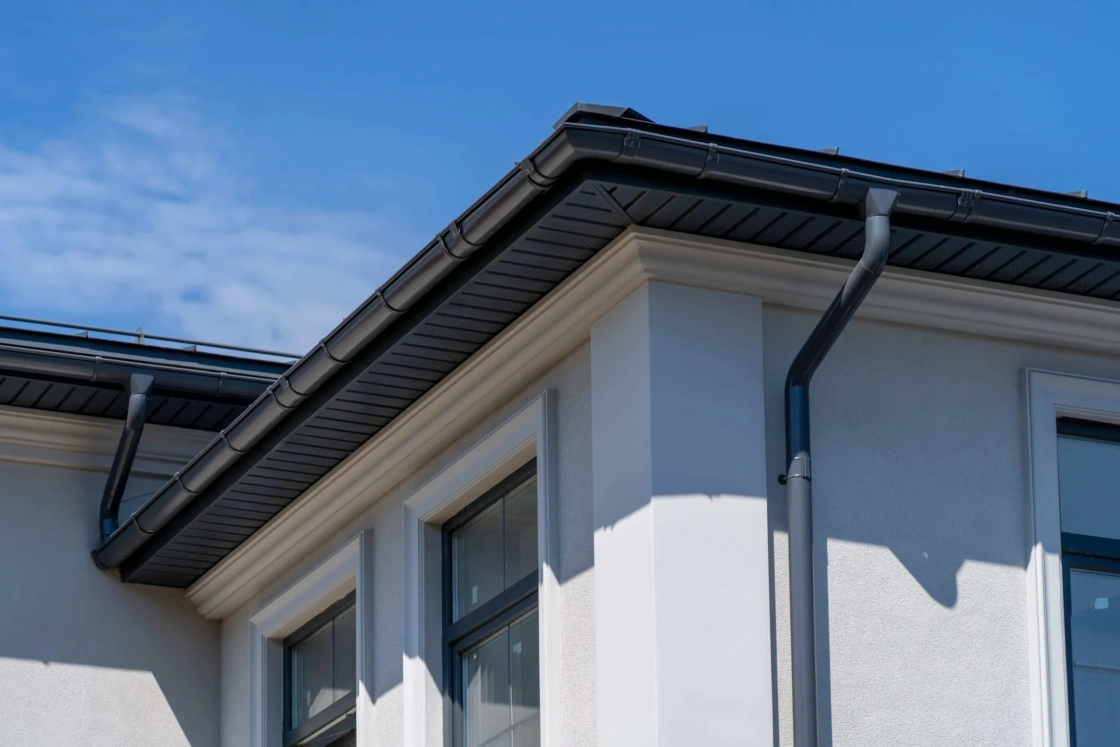
When homeowners start looking into new gutters, aluminum is often the first material they consider. It’s practical, durable, and easy to shape to almost any roofline. Aluminum doesn’t rust, it’s lightweight and easy to install, and it costs far less than copper or steel, making it one of the most cost-effective ways to protect your home from water damage year-round.
This guide explains what sets aluminum gutters apart — their benefits, styles, installation costs, and maintenance tips — to help you choose the best fit for your home. You’ll learn how aluminum compares with vinyl, steel, and copper systems, explore how seamless gutters help prevent leaks, and get extra tips on keeping your gutters in good shape for the long run.
Why Are Aluminum Gutters So Popular?
Aluminum is a durable but lightweight metal that stands up well to rain, snow, and temperature extremes without warping or cracking. They don’t rust the way steel can, and they won’t crack or fade like vinyl often does. Because aluminum can be shaped easily, installers can fit it to almost any roofline, from small bungalows to steep multi-story homes. Aluminum gutters from LeafFilter are also available in a wide range of colors and finishes, making it easy for homeowners to match their trim while providing lasting home protection in nearly every climate.
Advantages of Aluminum Gutters
Aluminum gutters strike the perfect balance between performance and price. They’re one of the most affordable options on the market, offering strength, style, and long-term value without the high price of copper or the maintenance demands of steel. Lightweight yet durable, they resist rust and corrosion for decades and can be fully recycled at the end of their lifespan.
- Long lifespan: Properly installed aluminum gutters can last 20 years or more with minimal maintenance, especially when kept cleared out with the help of stainless steel gutter guards.
- Lightweight but durable: Aluminum is easier for installers to lift and shape than steel, which can make installation faster and less labor-intensive. Despite its lighter weight, it stays sturdy and resists sagging under normal rain or snow loads.
- Corrosion resistant: Unlike steel, aluminum won’t rust, and unlike vinyl, it won’t crack or weaken from sun exposure or extreme temperature swings. That makes it a dependable option for homes in both coastal and humid regions.
- Seamless installation options reduce leaks: Aluminum is ideal for seamless gutters thanks to its strength, flexibility, and workability. Each system is roll-formed on-site into continuous lengths that match your roofline exactly, eliminating most joints where leaks and clogs can occur.
- Easy to match your home: Factory-applied color coatings on aluminum— including LeafFilter’s seamless gutters can be finished with the Enduralast™ coating, which helps resist fading, staining, and striping to keep your gutters looking fresh for years. Aluminum also holds primer and exterior paint well, giving you the option to customize the color later.
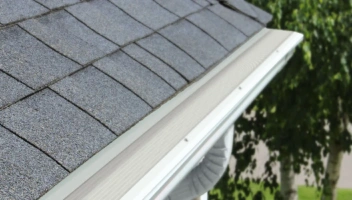
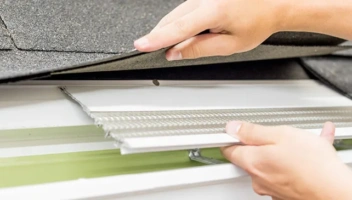
- Compatible with gutter guards: Systems like LeafFilter Gutter Protection attach securely to aluminum gutters, preventing clogs and minimizing maintenance for the life of the home.
Disadvantages to Consider
Even with their many benefits, aluminum gutters have a few limitations worth noting. Understanding these can help homeowners set realistic expectations and maintain peak performance through simple, routine care.
- Can dent or warp from impact: Because aluminum is softer than steel, heavy ladders or falling branches can leave visible dents.
- Thermal expansion and contraction: In regions with large temperature swings, such as the Midwest, aluminum can slightly expand and contract, which may loosen seams or fasteners over time if not properly secured.
Aluminum Gutter Costs
Aluminum gutters are one of the most cost-effective ways to protect your home from water damage. Prices vary based on style, thickness, finish, system design, and installation complexity (which includes factors like roof pitch, number of downspouts, and whether you choose seamless or sectional construction).
Aluminum gutter pricing also includes downspouts, hangers, end caps, and sealant, all of which factor into the total. The main cost difference comes from your gutter’s design and build quality. For example, seamless systems are made to order and cost a bit more, while decorative half-round styles take more time to install. Thicker aluminum is sturdier and holds up better against dents, but for most homes, standard K-style gutters offer dependable protection at a lower price.
Labor costs can also make a difference in the total. They may increase for multi-story homes, steep rooflines, or complex layouts that require extra safety equipment or bracing. Seamless aluminum gutter systems are shaped on-site using a portable roll-forming machine, which slightly raises the price but creates a cleaner, leak-resistant system.
When planning your project, be sure to factor in the cost of gutter guards. LeafFilter Gutter Protection can be installed directly on existing aluminum gutters to prevent clogs and extend their lifespan.
Styles of Aluminum Gutters
Aluminum gutters are most commonly available in two styles: K-style and half-round. K-style gutters are the standard choice for newer homes because they hold more water and blend well with modern trim. Their flat back and decorative front edge make them easy to install along the fascia, and their shape adds strength without extra material.
Half-round gutters, on the other hand, have a smooth curved profile that suits older or historic homes. They help clear out debris easily but carry slightly less water and can take more time to mount, which may raise installation costs.
Most aluminum gutters are made from rolled aluminum coil ranging from about 0.027 to 0.032 inches thick. Thinner metal works well in mild climates, while thicker material offers more strength and resists dents from ladders or branches.
Gutter-Strengthening Color Options
Homeowners can add an Enduralast™ Gutter Coating to LeafFilter aluminum seamless gutters, available in popular colors like white, linen, clay, brown, and black. This finish enhances curb appeal while helping protect gutters against mold, mildew, tiger striping, scratching, and staining.
Aluminum Gutters vs. Other Materials
Homeowners have a few solid choices when it comes to types of gutter materials. Aluminum tends to be the go-to because it’s affordable, strong for its weight, and easy to customize. It won’t rust like steel, usually lasts much longer than vinyl, and is more affordable than copper. For most homes, aluminum hits the sweet spot between cost, durability, and appearance.
| Material | Typical Lifespan | Durability | Appearance / Notes |
|---|---|---|---|
| Aluminum | 20–25 years | Low: resists rust | Many colors and styles; easy to shape |
| Vinyl | 10–15 years | Moderate: can crack in cold | Fewer color options; may fade over time |
| Steel | 20–30 years | Higher: can rust if coating wears | Strong and heavy; limited color range |
| Copper | 50+ years | Low: develops patina | High-end look; expensive to install |
Seamless Gutters vs. Sectional Gutters
Now that you know the benefits of aluminum gutters, it’s time to decide between seamless vs regular (sectional) gutters. Seamless aluminum gutters are made from a single continuous piece of metal, custom-shaped on-site to fit your home’s exact roofline. Sectional gutters come in pre-cut lengths that are joined together, creating seams; each of these seams creates a weak spot where leaks or clogs can start.
Seamless gutters help eliminate most of those joints, keeping water moving freely through the system and giving your roofline a cleaner, more finished look. While seamless gutters cost slightly more to install, they typically last longer and require less maintenance because there are fewer seams to seal or repair. For most homeowners, that trade-off means better performance and long-term savings.
Aluminum Gutter Installation
A reliable gutter system starts with proper installation. The essentials include a correct slope, solid hangers, and downspouts that direct water away from the foundation. While some homeowners may choose to install gutters themselves, it can be risky and often leads to problems if the slope or seals aren’t set correctly. Hiring a professional helps ensure that your system is installed safely and performs as intended. Seamless aluminum systems are typically professionally installed since they’re custom-fit and roll-formed on site.
DIY Gutter Installation
While it’s technically possible to install gutters on your own, the process requires careful planning, specialized tools, and strict attention to safety. If you’re curious about what’s involved, here’s an overview of the typical steps to installing rain gutters:
- Plan and measure: Check the fascia and soffit for any rot, measure each run, and mark downspout locations. Count your corners, end caps, and outlets to make sure you have everything before starting.
- Gather tools and parts: You’ll need tin snips or a hacksaw, a drill, rivets, screws, hangers, elbows, sealant, flashing, and a sturdy extension ladder on level ground. Always have a spotter nearby when working at height.
- Set the slope: Snap a chalk line and pitch the gutter about ½ inch for every 10 feet so water flows properly to each outlet.
- Cut, join, and seal: Whenever possible, pre-assemble sections on the ground, overlap splices, and apply sealant at every joint to prevent leaks.
- Hang and protect: Mount hangers every 18 to 24 inches, fit downspouts snug against the wall, and consider a micromesh guard after installation to reduce clogs.
Even with all preparation, DIY installation carries risks. Incorrect slope, poor sealing, or gaps at the fascia can lead to leaks or structural damage later on. If you notice any of these signs that your gutters were installed incorrectly, call a local gutter professional to inspect the system before problems worsen.
Professional Gutter Installation
Call a pro when you don’t want to worry about incorrect installation or ladder safety. This is especially important if you have a two-story home, steep or complex rooflines, long continuous rooflines, or you’re installing a seamless system. If you choose seamless gutters, your professional gutter installation team will shape them on-site with a roll-forming machine. Pros also set the correct pitch, size the outlets, and place downspouts so water moves away from the house. If you are adding gutter guards, LeafFilter’s stainless-steel micromesh easily installs on existing gutters and is designed to keep debris out, so aluminum systems stay clear and flowing.
Maintenance Tips for Aluminum Gutters
Keeping your aluminum gutters in good shape comes down to at least two cleanings a year — once in spring and again in the fall after the leaf drop. During each cleaning, inspect for sagging, leaks along seams, or debris around the downspouts. If you see standing water inside the troughs, your gutters may not be sloped correctly or the outlets could be blocked.
Start with simple maintenance you can safely do from the ground. Tools like an extension wand, wet/dry vacuum, or hose attachment make it easy to clean out gutters without a ladder on most single-story homes. If your gutters are high, difficult to reach, or haven’t been cleaned recently, it’s best to hire a professional gutter cleaning service. Between seasons, keep an eye out for signs of clogs or overflows such as leaks, overflow, or buildup around the foundation.
Installing gutter guards is another smart way to cut down on maintenance. A quality micromesh system like LeafFilter keeps out debris so your gutters stay clearer between seasons. With regular inspections and quick fixes to minor dents or leaks, aluminum gutters can last 20 years or more.
Ensuring Long-Lasting Performance with Aluminum Gutters
Getting the best performance starts with choosing the right setup for your home:
- Most houses use 5-inch K-style gutters. Larger or steeper roofs often do better with 6-inch systems and wider downspouts that can handle heavy rain.
- Pick a sturdy gauge: 0.027 works well in mild climates, while 0.032 offers better protection in areas with frequent storms or tall trees. Factory color coatings that match your trim also help prevent fading and cut down on repainting later.
- For lasting results, seamless aluminum systems limit leak points, and properly spaced hangers keep gutters straight through every season. Adding a micromesh guard like LeafFilter helps keep gutters clog-free, reduce the need for cleaning, and keep water moving freely year-round.
With the right fit, finish, and a few seasonal checks, aluminum gutters can protect your home for decades.
LeafFilter installs seamless aluminum gutters designed to fit most homes, along with gutter protection that keeps debris out year-round. With seasonal inspections, quick sealant touch-ups at corners, and clear downspouts, a seamless aluminum gutter system can deliver strong, reliable performance for decades.
Frequently Asked Questions
How long do aluminum gutters typically last?
Most aluminum gutters last about 20 to 25 years with regular cleaning and maintenance. Their lifespan depends on local weather, thickness, and how well water flows through the system. Check for loose hangers or small leaks each season to catch wear early.
Can aluminum gutters be painted or refinished?
Yes. Clean the surface, apply a metal primer, and use exterior-grade paint for best results. Factory coatings usually last years, but repainting can refresh color and protect against fading.
What gutter size should I choose for my roof?
Most homes use 5-inch gutters, but 6-inch systems are better for larger or steeper roofs that collect more rainwater. The right size depends on your roof area and local rainfall levels, so it’s best to confirm with a professional installer. Learn more in our guide to gutter sizes.
Are aluminum gutters compatible with LeafFilter gutter protection?
Yes. LeafFilter’s stainless-steel micromesh installs on most existing aluminum gutters and keeps debris out while letting water in. It’s backed by a transferable lifetime warranty for lasting performance.
How do I prevent dents and damage to aluminum gutters?
Use ladder stabilizers instead of resting ladders on the gutter edge. Clear debris gently with a hose or blower, not sharp tools. Reinforce high-traffic sections or add gutter guards to limit wear.