

When Do Leaves Start to Fall? A Seasonal Guide for Homeowners
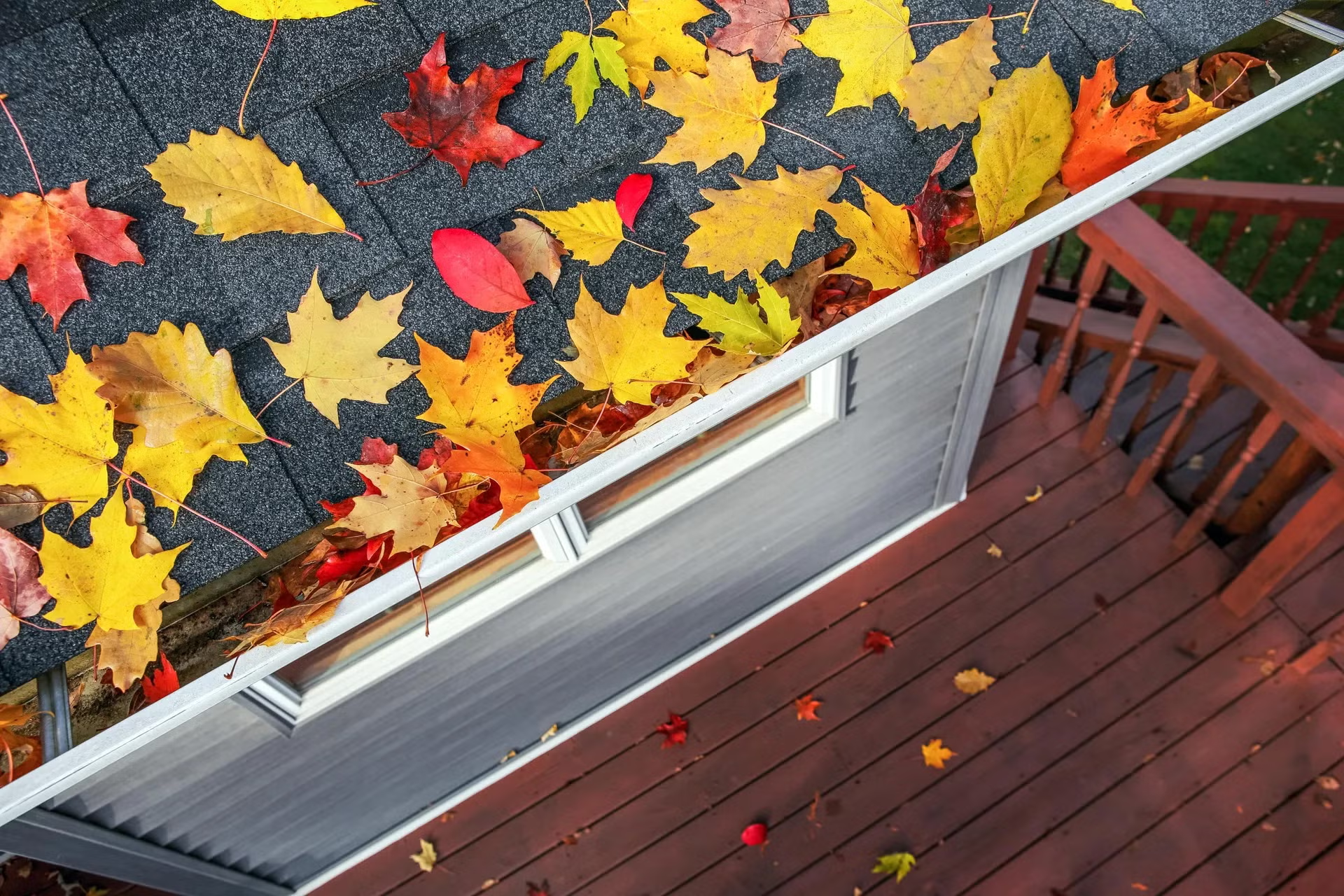
Most trees start dropping leaves between late September and November. Your exact timing depends on where you live and which species grow in your yard.
You know the pattern. Cooler mornings. Changing colors. Then the cleanup.
So, when do leaves fall off trees in your area? This guide breaks it down. We’ll cover why leaves fall, when it happens by region, and what affects the timing. You’ll also learn why some trees hold on longer and what it all means for your gutters, roof, and fall maintenance plan.
Table of contents:
- Why Do Leaves Fall Off Trees?
- When Do Trees Start to Lose Their Leaves? A Timeline by Region
- When Is Peak Fall Foliage?
- What Affects When Leaves Fall Off Trees?
- Why Don’t All Trees Drop Their Leaves at the Same Time?
- When Do Leaves Stop Falling?
- What to Do During Peak Leaf Fall
- Protect Your Home Before the Leaves Pile Up
Why Do Leaves Fall?
Leaves fall because trees know it’s time to protect themselves from winter. This process, called abscission, is a natural response to shorter days and cooler nights, a phenomenon known as photoperiodism.
Trees break down chlorophyll, the green pigment responsible for photosynthesis, to conserve energy. When chlorophyll fades, vibrant carotenoids (yellows and oranges) and anthocyanins (reds and purples) become visible, coloring the season. By shedding leaves, trees reduce water loss and protect themselves from the weight of snow and ice, ensuring they’re ready to thrive when warmer days return.
For homeowners, this natural cycle has direct impacts on maintenance needs — particularly clogged gutters. Learn more in our Seasonal Home Maintenance Guide.
When Do Trees Start to Lose Their Leaves? A Timeline by Region
Understanding when trees begin shedding their leaves depends largely on where you live. Timing can vary based on factors like climate, elevation, and latitude, meaning that leaf drop isn’t a one-size-fits-all event. Here’s a regional breakdown to help you prepare:
| Region | Peak Leaf Drop | Key Trigger |
|---|---|---|
| Northeast | Mid-October to Early November | Cool nights and shorter days push maples and oaks to shed. Expect early changes in late September if temperatures dip ahead of schedule. |
| Midwest | Early to Mid-October | Reduced daylight and cooler nights set the pace. Near the Great Lakes, humidity and lake-effect weather can shift peak timing slightly. |
| South | Late October to December | Latitude drives the timeline. The farther south you go, the longer trees hold their leaves, with warmer temperatures slowing the process well into winter. |
| West | Early September to November | Elevation is the deciding factor. Higher elevations like the Rockies see early drop by late September. Coastal and lower elevations follow later, often starting in late October. |
Leaf Fall Timelines by Region
The timing of leaf fall varies widely across the US. Knowing when peak color hits can help you stay ahead of the cleanup curve.
Northeast
Timeframe: Late September to early November
Triggers: Cool nights and shorter days typically mark the start of change here. Trees like maples begin turning early, with peak color often arriving by mid-October. Higher-altitude areas, like the Green Mountains or the Adirondacks, may see leaves fall earlier due to colder temperatures. While coastal spots in Connecticut and Rhode Island trail slightly into late October.
Midwest
Timeframe: Early October to mid-November
Triggers: Frost signals leaf drop in the Midwest. Northern states like Minnesota often experience this by late September, while southern areas, including Missouri, Kansas, southern Illinois, and Ohio hold onto vibrant colors into early November. The relatively flat terrain means weather patterns, rather than elevation, set the pace.
South
Timeframe: Late October to early December
Triggers: Warm climates and lower latitudes delay the process here. Cooler nights in places like northern Georgia, Arkansas, and Tennessee trigger the first hints of change, with Gulf Coast areas following weeks later. Oaks and cypresses keep their leaves longer, pushing the timeline well into late November.
West
Timeframe: Mid-September to late November
Triggers: In the mountainous West, elevation dictates timing. High-altitude regions like Colorado’s Rockies or California’s Sierra Nevada can peak as early as September. Lower valleys in Oregon and California’s wine country follow a slower, more gradual timeline, often not peaking until late October or early November.
Planning for the leaf season can save you time and effort. For homeowners in these regions, be sure to check out our September Home Maintenance Checklist for proactive tasks to tackle ahead of the drop.
When is Peak Fall Foliage?
Peak fall foliage happens when leaves hit their most vibrant colors before falling. This window depends on where you live and what the weather’s been like all year. Cooler nights paired with sunny days? That’s what brings out those bold reds, oranges, and yellows.
Generally, mountainous areas like the Rockies or the Appalachians see their peak earlier, usually mid-September. Lower elevations and warmer regions, like valleys in Oregon or parts of California, often experience their brightest hues in late October or even early November.
Here’s why it matters: when the colors peak, heavy leaf drop is right behind. That’s your signal to shift from admiring the view to dealing with what’s falling on your yard and gutters. Be ready with Your Complete October Home Maintenance Checklist, especially if peak color lines up with your October calendar.
What Affects When Leaves Fall Off Trees?
The timing of leaf drop isn’t a one-size-fits-all event — it varies due to several natural factors. Latitude and elevation play a big role. Higher elevations and northern regions tend to see earlier changes as cooler temperatures arrive sooner. On the other hand, lower elevations and southern areas might hold on to their leaves weeks longer, stretching peak color into late October or November.
Weather patterns like drought, heavy rainfall, and storms can also shift the timeline. Prolonged dryness stresses trees, causing leaves to fall prematurely, while strong storms can uproot leaves en masse, cutting peak color short. Disease and pests add another layer of unpredictability, as stressed or vulnerable trees often shed earlier as a survival mechanism.
Temperature swings round out the list. Unusually warm autumns can delay leaf color and drop, leaving trees holding on longer than expected. Meanwhile, an early frost often speeds up the process, sending leaves tumbling all at once. Timing your home maintenance, especially for gutters, requires knowing how these variables play out in your area. For example, regions near large water bodies like the Great Lakes balance unique weather and geography, which we cover in Why Are Gutters Important Along the Great Lakes? A Homeowner’s Guide.
Why Don’t All Trees Drop Their Leaves at the Same Time?
Not all trees follow the same schedule when it comes to shedding leaves, and the reasons lie in their biology. Some deciduous trees, like oaks and beeches, experience something known as marcescence. This occurs when dry, brown leaves cling to branches well into winter instead of falling in autumn. Scientists suggest that marcescence may help trees protect young buds from harsh winter conditions or even add nutrients to the soil when the leaves drop in spring.
Younger trees, even within the same species, are more likely to hold onto their leaves longer than mature ones. This is especially common in certain oaks, where saplings might stay partially wrapped in foliage through snow and cold. Evergreen trees, on the other hand, don’t lose all their needles in one season. Instead, they shed them gradually year-round, a strategy that helps them conserve nutrients and stay functional through winter. The result? A wooded landscape where leaf loss happens at its own pace, creating a mix of bare branches, clinging leaves, and steady greens.
When Do Leaves Stop Falling?
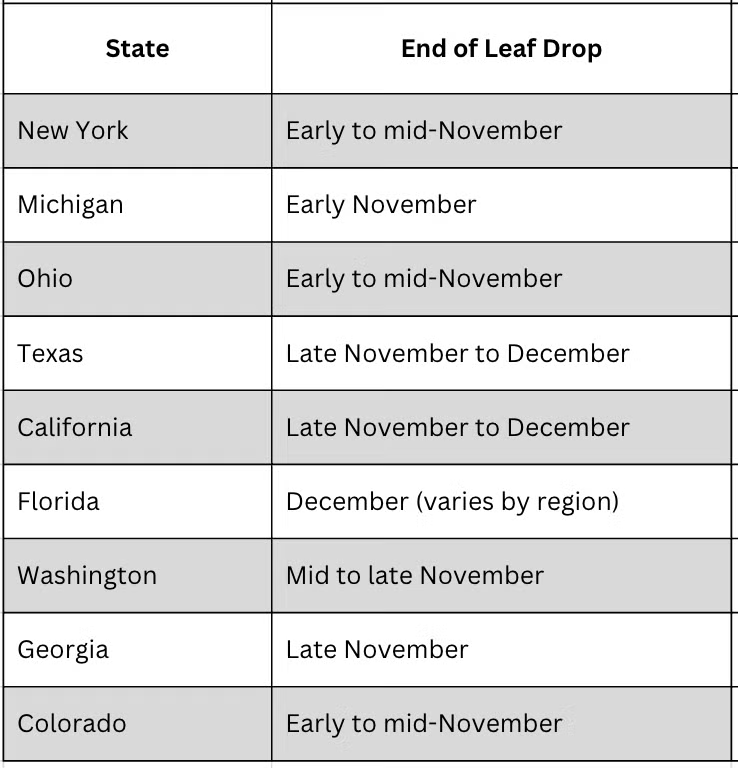
Leaves usually finish falling by mid-November in most regions, though the timing can vary depending on your location and the year’s weather. States in the southern U.S. and parts of the West often see leaves lingering into December, thanks to milder temperatures. Meanwhile, an early frost or a round of strong winds can wrap up the season sooner than expected. Calm conditions, on the other hand, may lead to leaf drop stretching longer than usual.
Here’s an approximate breakdown by state — keep in mind that these timelines depend heavily on the local climate and weather patterns:
To keep gutters cleared out and avoid blockages once the season wraps up, take a look at our Gutter Cleaning: The Ultimate Guide for Homeowners. It’s a practical resource to tackle cleanup effectively before winter sets in.
What to Do During Peak Leaf Fall
Peak leaf fall is the busiest time for your home’s exterior. Staying ahead of debris can save you from bigger headaches later. Here’s what to focus on:
Monitor your roof valleys
These areas collect leaves fast and can create blockages that lead to water buildup. Check them throughout the season, not just after the last leaf drops.
Inspect your gutters and downspouts regularly
Don’t wait for the work to pile up. A quick scan every couple of weeks keeps water flowing and stops clogs before they start.
For the yard: Choose the right cleanup method
- Small yards: Raking and bagging usually does the job.
- Larger landscapes: Mulching leaves reduces waste and puts nutrients back into the soil.
If you’re wondering why staying on top of peak leaf season really matters, read more about the dangers of water damage from clogged gutters. Understanding the risks puts the upkeep into perspective and helps you decide when extra help might be worth it.
Protect Your Home Before the Leaves Pile Up
The leaves themselves aren’t the problem — it’s what happens when they clog your gutters. Blocked gutters lead to water spilling over the edges, soaking fascia boards, and even compromising your home’s foundation. Left unchecked, this kind of damage adds up quickly, leading to expensive repair bills.
That’s where LeafFilter® comes in. Our stainless-steel micromesh system helps keep debris out while letting water flow freely through your gutters. With its clog-prevention guarantee — no more cleaning out gutters, guaranteed — you can go from worrying about damage to focusing on what matters most to you. Installation is done in as little as one day, handled by local, trained crews who know exactly how to protect homes in your area.
Don’t wait until the damage starts. Schedule a free estimate with a local LeafFilter gutter expert today. Your home will thank you. gutter expert today. Your home will thank you.