
Why Are Gutters Important Along the Great Lakes? A Homeowner’s Guide

Living near the Great Lakes means facing weather most of the country never sees. Lake-effect snow. Heavy spring rain. Freeze-thaw cycles that repeat all winter long. So why are gutters important here? Because your gutters are working harder in Michigan, Ohio, and Wisconsin than almost anywhere else in the country.
Here’s the hard truth: most homeowners don’t think about their gutters until water is already in the basement. By then, the damage is done.
This guide fixes that. You’ll learn what makes the Great Lakes region so tough on gutters, what your gutters do for your home, and how the right gutter protection keeps water moving where it should. Whether you’re in Detroit, Cleveland, Milwaukee, or a small town in between, this one’s for you.
The Great Lakes Region Throws Everything at Your Gutters
No other region combines this much snow, rain, and temperature swing. Your gutters take a beating that homes in milder climates rarely experience.
Here’s what your Great Lakes gutters are up against:
- Lake-effect snow: Heavy, wet, and relentless. It piles up fast and adds serious weight to your gutters. That weight is a real problem. Snow loads can pull gutters right off the roofline.
- Heavy spring rain and snowmelt: Spring dumps months of frozen precipitation and fresh rain all at once. That sends a surge of water straight toward your foundation.
- Freeze-thaw cycles: Water freezes. It expands. It thaws. Then it refreezes. Over and over, all winter. This punishes gutters and anything holding water.
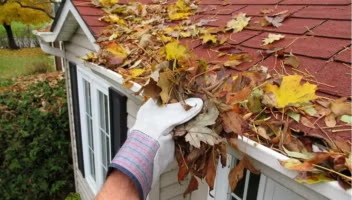
- Regional tree debris: Seedpods from trees like black locust and northern catalpa, plus a heavy fall leaf drop, clog gutters faster than in milder climates.
The Great Lakes region sits in what’s known as a snow belt, which means states like Michigan, Ohio, Illinois, and Wisconsin see some of the heaviest snowfall in the Midwest. That makes managing lake-effect snow a gutter’s year-round job. For a deeper look at the debris and snow challenges across the region, read our guide to gutter protection in the Midwest.
What Your Gutters Actually Do
Your gutters aren’t decoration. They’re your home’s first line of defense against water.
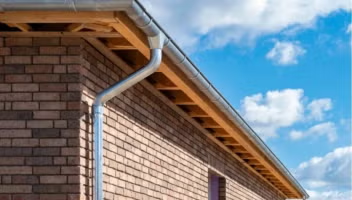
Think of your gutters as a pipeline. They tell water where to go before it decides for itself. Without that path, water goes wherever gravity takes it, and that’s usually straight into the places you least want it.
Here are the four jobs your gutters do every day.
Direct Water Away From Your Foundation
When rain and snowmelt saturate the soil around your home, that soil pushes back against your foundation walls. This is called hydrostatic pressure. Picture wet, heavy earth leaning on your basement walls, day after day. Eventually, walls crack, bow, or leak.
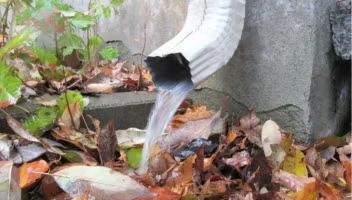
The Great Lakes make this worse. Heavy rain and spring snowmelt keep the soil saturated for weeks. Protecting your foundation from snowmelt starts with gutters that carry water several feet away from the house.
Keep Your Basement Dry
Poor water management leads straight to a wet basement. The same hydrostatic pressure that cracks foundations also forces moisture through your walls.
A damp basement isn’t just annoying. It invites mold, mildew, and structural rot. Gutters help stop the water before it reaches your foundation walls.
Protect Your Soil & Landscaping
Water pouring off the roof hits hard and fast. It washes away mulch, erodes soil, and undermines walkways and driveways. That’s the yard you paid for, running off with the rainwater.
Gutters distribute water evenly and send it to safe discharge points. Your landscaping stays put.
Protect Siding, Fascia, and Rooflines
Without gutters, water cascades directly off your roof and soaks your siding, fascia, and trim. Persistent moisture rots wood, invites mold, and chips away at your home’s exterior.
Gutters route that water away from these vulnerable spots. For the full breakdown of what gutters protect and when they’re truly necessary, see our article on why gutters are so important.
Winter Is the Real Test
Winter along the Great Lakes is where gutters earn their keep.
As snow melts off your roof, your gutters carry that water away before it can refreeze near the roofline. Clean, well-pitched gutters do this job well. Clogged gutters don’t.
Gutters do not prevent ice dams. Let’s be clear about that. Ice dams form from heat loss and roof conditions. Warm air escaping into your attic melts snow on the roof, which then refreezes at the cold edges. Your gutters aren’t the cause, and they aren’t the fix.
Gutters can help manage snowmelt flow. When your gutters are cleaned out and properly pitched, they move water more efficiently before it has a chance to refreeze near the roofline. A clogged gutter can’t do that. Water backs up, sits, and freezes.
So, keep your gutters cleared out of debris through winter.
How to Keep Your Gutters Working All Year
Here are four steps that actually work. Follow them so your gutters can hold up against everything the Great Lakes throw at them.
- Clean them out twice a year. Once in spring and once in fall, ahead of the heaviest seasons. Remove leaves, twigs, and other debris so water can keep moving.
- Inspect for damage. Check for sagging, rust, and sections pulling away under snow weight. Catch small problems before they become bigger ones.
- Choose durable materials. Go with metal over vinyl gutters. In a climate this harsh, metal gutters last longer and hold up better against snow load and freeze-thaw stress. and hold up better against snow load and freeze-thaw stress.
- Install gutter protection. Keep leaves and other debris out so water flows freely all year.
That last step matters most in the Great Lakes, where debris clogs gutters faster than in milder regions. LeafFilter Gutter Protection helps keep fall leaves and other debris out of your gutters, so water keeps moving through every season. If your existing gutters are past their prime, LeafFilter provides a full gutter replacement built for the Great Lakes climate.
One more thing. Skip the DIY route. Professional gutter installation means your gutters are correctly pitched, properly sized, and backed by a warranty. DIY often means safety hazards, incorrect installation, and no guarantee when something goes wrong. Proper gutter maintenance in the Great Lakes starts with a system installed right the first time. For homeowners in Michigan and across the Midwest, quality gutter guards are one of the smartest ways to help protect your home.
LeafFilter Named a BobVila.com Home Improvement Hero of 2026

Even capable DIYers know when to call in the pros. That’s exactly why BobVila.com named LeafFilter a Home Improvement Hero of 2026 — and for Great Lakes homeowners dealing with heavy snowmelt and saturated soil, that recognition means something.
As the BobVila.com team put it, one of the best things you can do for your foundation is protect your gutters and keep rainwater flowing away from your house. LeafFilter’s stainless steel micro-mesh shield does exactly that. Its 275-micron mesh blocks leaves, sticks, pests, and common debris before they ever reach the inside of your gutters.
Professional installers handle everything in one visit: realigning and repairing your existing gutters, addressing the roofline, and leaving you with a limited lifetime no-clog guarantee. No guesswork. Just peace of mind.
More Ways to Protect Your Home From the Elements
Gutters are one piece of the puzzle. Whole-home protection means thinking about how each part works together against water damage.
- Erie Home Roofing: Your roof and gutters work as a team. A sound roof sheds water; your gutters carry it away. When both do their jobs, your home stays dry from the top down.
- Erie Home Basement Waterproofing: Think of this as your second line of defense. Gutters manage water outside; basement waterproofing handles any moisture that still finds its way in.
- Roofline Lighting: Upgrading your exterior? Roofline lighting adds curb appeal and safety, and it pairs naturally with a fresh gutter or roofing project.
Protect Your Home Before the Next Storm Rolls In
The Great Lakes climate can be relentless. With lake-effect snow, spring floods, and endless freeze-thaw cycles, it seems to never let up. Your gutters are what stand between that weather and your home.
Keep them cleaned out and working properly. And when it’s time to upgrade, trust experts who know the region.
Help is closer than you think. LeafFilter has 260+ offices across the U.S. and Canada helping over 2 million homeowners protect what matters most. You don’t have to figure this out alone.
Don’t wait until water is in your basement. Schedule your free, no-obligation consultation with your local LeafFilter team today.
Frequently Asked Questions
Do gutters prevent ice dams?
No. Gutters do not prevent ice dams. Ice dams form from heat loss and roof conditions that allow warm air to escape into the attic and melt roof snow. This snowmelt then refreezes at the cold roof edges. Well-pitched gutters, clear of debris, help manage snowmelt flow before it refreezes near the roofline. But they are not a cure for ice dams.
How often should I clean gutters in the Great Lakes region?
Clean out your gutters at least twice a year: once in spring and once in fall. If you have a lot of trees nearby, especially those that drop seedpods or heavy leaves, you may need to clean them out more often. Gutter guards like LeafFilter help reduce how much debris gets in, cutting down on cleaning frequency.
What type of gutters work best in the Midwest?
Metal gutters work best in the Midwest and Great Lakes region. Metal holds up far better than vinyl against heavy snow loads, freeze-thaw cycles, and harsh temperature swings. For most homes, professionally installed seamless metal gutters paired with gutter guard protection offer the strongest long-term performance.
Can clogged gutters cause basement flooding?
Yes, when gutters clog, water overflows and pools around your foundation. That saturated soil increases hydrostatic pressure against your foundation walls, which can force moisture into your basement or crawl space. Keeping your gutters cleared out helps direct water away from the foundation and lowers the risk of basement flooding.