
Fall Home Maintenance Checklist: 13 Tasks to Protect Your Home This Season
Fall home maintenance is some of the most important work you’ll do all year. Not because the tasks are complicated (most take an afternoon), but because the window to act is narrow. Once leaf drop peaks and temperatures dip below freezing, your options shrink fast. Your gutters are filling right now. Your roof is either ready for winter, or it isn’t.
Most homeowners don’t find out about the damage until spring. By then it’s too late. The repair bill is never the worst part, though. The worst part is knowing it was preventable.
This fall home maintenance checklist covers 13 practical tasks that help protect your home before the first freeze. Each one names the problem, tells you what to look for, and gives you a clearer path forward.
Start with your gutters and your roof. Work your way through the list. Don’t wait for January to make the call.
Why Does Fall Home Maintenance Matter More Than You Think?
Fall is your last stretch of moderate weather before winter arrives, which means it’s your final opportunity to catch small problems before they become expensive ones.
The numbers are worth knowing. Foundation repairs average $5,175, according to industry data from HomeAdvisor. Mold remediation ranges from $500 to $1500 for small areas and can reach $10,000–$30,000 for whole-home remediation. Roof repairs can climb into the tens of thousands if a minor issue is left unaddressed through a full winter. None of those outcomes start as big problems. They start as ignored gutters. A cracked caulk line. A sump pump that wasn’t tested.
Prevention costs a fraction of repair. Every time.
The 13 tasks below are divided into two sections. Exterior tasks help protect your roofline, gutters, siding, and drainage. Interior tasks help protect the systems and spaces inside your home that winter puts under the most strain.
Start With Exterior Maintenance Tasks
1. How Do I Clean Out and Inspect My Gutters in Fall?
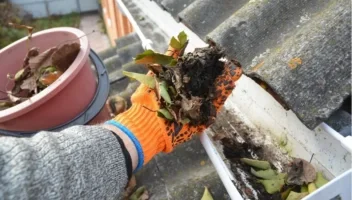
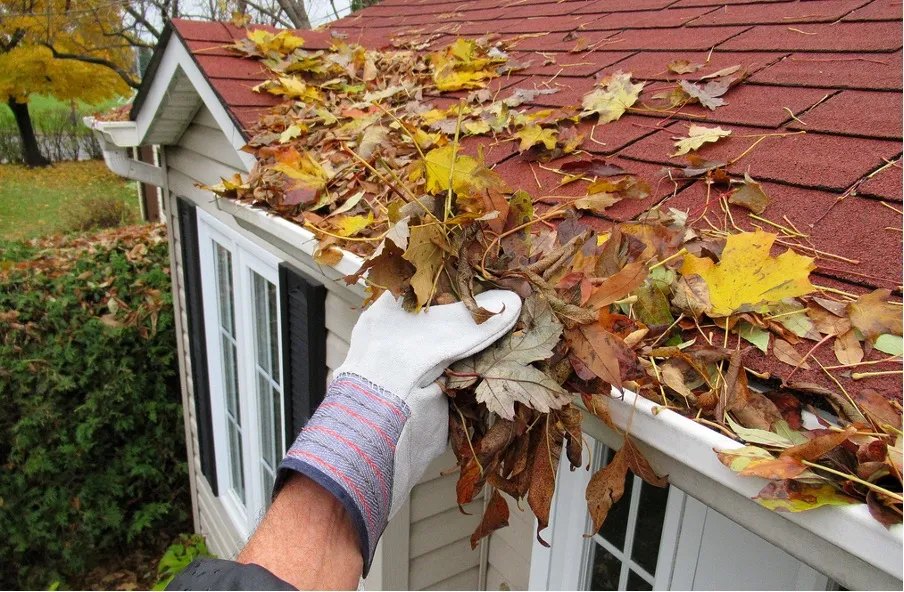
Clogged gutters are the starting point of most serious home damage. When gutters fill with leaves and debris, water has nowhere to go. It backs up under shingles, spills onto fascia boards, pools near your foundation, and eventually finds its way into your basement. Fall leaf drop is the peak season for blockages, but debris builds all year. See our guide to how clogged gutters cause seasonal damage for a full breakdown.
What to do:
- Clear out all debris from gutters and downspouts
- Flush downspouts with a garden hose to confirm water flows freely
- Check that water discharges at least three feet from your foundation
- Look for sagging sections, rust spots, or gutters pulling away from the roofline
Warning signs to watch for: overflowing during rain, staining on exterior siding, or water pooling near your foundation after a storm.
If you’re tired of repeating this process every season, LeafFilter Gutter Guards offer a permanent solution. Our micro-mesh system keeps debris out year-round. Installation typically completes in one day, and every system comes with a lifetime, transferable warranty. LeafFilter has served more than 2 million homeowners across more than 260 offices in North America.
2. How Do I Inspect and Protect My Roof Before Winter?
Your roof is your home’s primary defense. A missing shingle or small crack in October can become a significant leak by January. One leak can damage insulation, framing, and interior finishes before you notice it from inside.
What to look for from the ground:
- Missing, cracked, or curling shingles
- Asphalt granules collecting in gutters, a sign of accelerated shingle wear
- Visible sagging or dark staining along the roof edge
Don’t climb the roof yourself. If shingles show obvious wear, age, or storm damage, call a professional.
For homeowners considering a longer-term solution, Erie Home metal roofing is wind-resistant up to 120 mph and rated Class 4 for hail impact resistance. Our metal roofs last 50 years or more, two to three times longer than traditional asphalt shingles.
Practical tip: Schedule your roof inspection and gutter cleaning on the same day. You’ll get a full picture of your home’s exterior condition in one visit.
3. How Do I Check My Downspouts and Drainage Paths?
Cleaned-out gutters don’t help much if your downspouts are blocked or discharging in the wrong direction. Water that pools near your foundation in fall will freeze, expand, and crack concrete, and by spring it can find its way into your basement.
What to do:
- Flush downspouts with a garden hose from the top down
- Confirm each downspout extends at least three feet from the foundation
- Clear out debris from splash blocks or drainage paths
This is a quick task. It typically takes 20 minutes and earns its place on the list every time.
4. What Should I Check on My Siding, Fascia, and Exterior Trim?
Clogged gutters overflow directly onto your siding and fascia boards. Over time, that moisture causes rot, mold, and peeling paint. If the fascia is compromised, your gutters can detach under the weight of ice and snow, which creates a bigger problem and a bigger bill.
What to check:
- Soft or discolored fascia boards along the roofline
- Mildew streaks or staining on siding below the gutters
- Water marks or peeling paint under the eaves
What to do: Clean siding with a low-pressure wash and replace rotted fascia before temperatures drop. Don’t put this off.
5. Why Should I Trim Trees and Clear Roof Debris in Fall?
Overhanging branches do two things: they dump debris directly into your gutters, and they scrape against your roof during high winds. Dead limbs add another risk; one winter storm can bring them down onto your roof or siding.
What to do:
- Trim branches away from the roofline; aim for at least 10 feet of clearance
- Clear out accumulated leaves from roof valleys, where water collects
- Remove dead or overhanging limbs before the first snowfall
Safety bonus: reducing dry leaf accumulation near your roofline also helps lower wildfire risk during dry fall conditions.
6. Should I Install or Upgrade Outdoor Lighting Before Winter?
Days get noticeably shorter in fall. Proper outdoor lighting helps improve safety on walkways and stairs, deters unauthorized access, and enhances your home’s curb appeal through the darker months.
For a permanent solution that doubles as seasonal décor, Roofline Lighting by LeafFilter installs permanently along your roofline in as little as one day. It includes a multi-zone controller and a smartphone app. And the low-profile design blends almost invisibly into the roofline year-round, not just during the holidays.
7. How Do I Inspect and Seal Windows and Doors for Winter?
Drafty windows and doors drive up your heating bill and let moisture work its way into wall cavities. This is one of the fastest, most cost-effective tasks on the fall checklist.
What to do:
- Run your hand along the edges of exterior windows and doors to feel for drafts
- Inspect weatherstripping for cracks, compression, or gaps
- Check caulking around window frames and replace any that’s cracked or missing
A $10 tube of caulk can save you hundreds in heating costs over a season. It’s not glamorous work, but it’s effective.
Interior Maintenance Tasks
8. What Are the Signs of Basement Moisture or Water Intrusion?
A damp basement in fall almost always gets worse in winter. Don’t rationalize the musty smell. Don’t assume the small stain was always there.
It’s worth noting the connection: overflow from clogged gutters is one of the leading causes of basement water intrusion. Fixing exterior drainage addresses part of the problem. But if moisture is already present, it needs a dedicated solution.
What to look for:
- Water stains or discoloration on walls and floors
- Musty or earthy odors
- Condensation on pipes or the water heater
- Visible cracks in foundation walls or the floor
Erie Home Basement Waterproofing provides coprehensive foundation protection, including sump pump installation and interior waterproofing systems. Contact Erie Home for a consultation before winter sets in.
9. How Do I Test My Sump Pump Before Winter?
Your sump pump is the last line of defense against basement flooding. Fall is the time to confirm that it works. Not February, when you need it most.
What to do:
- Pour a bucket of water slowly into the sump pit to trigger the float switch
- Confirm the pump activates and discharges water away from the foundation
- Check the discharge line for blockages
- Test GFCI outlets near the pump
One addition worth considering: a battery backup system. Power outages and heavy rainstorms tend to arrive together. A backup ensures the pump runs even when the grid goes down.
10. When Should I Replace HVAC Filters and Service My Heating System?
Replace 1-inch HVAC filters every one to three months and schedule a professional tune-up before you rely on heat consistently. A dirty filter shortens equipment life, drives up energy bills, and degrades indoor air quality. All right at the start of the season, when windows stay closed.
What to do:
- Replace 1-inch filters every one to three months; check manufacturer guidance
- Schedule a professional HVAC tune-up before you rely on heat consistently
- Check all vents and registers for furniture or debris blocking airflow
This is a 10-minute task with year-round payoff.
11. How Do I Check My Attic for Ventilation and Insulation Problems?
Poor attic ventilation accelerates shingle wear and contributes to ice formation in winter. Ice forms when trapped heat melts snow at the roofline, and that water refreezes at the eaves, forcing moisture backward under shingles. Attic inspection is an underrated step in fall roof protection.
What to check:
- Visible staining or daylight through the roof boards
- Adequate insulation coverage across the attic floor
- Clear, unobstructed soffit vents
If you spot visible moisture, mold, or significant staining, escalate to a professional for inspection before the first freeze. This is not a task to address in the spring.
12. How Often Should I Test Smoke and Carbon Monoxide Detectors?
Replace carbon monoxide detectors every five to seven years and smoke detectors within 10 years. Heating season brings a measurable increase in carbon monoxide incidents.
This task takes five minutes. There is no reason to skip it.
What to do:
- Press the test button on every detector in your home
- Replace batteries, even if the detector hasn’t chirped yet
- Check the manufacture date, replace units approaching or past those windows
13. How Do I Reverse Ceiling Fans and Improve Weatherization?
Here’s a quick one that most homeowners forget. Ceiling fans run counterclockwise in summer to push air down and create a cooling effect. Switch fans clockwise in winter to push the warm air from the ceiling back down into the room. This reduces how hard your heating system has to work and can help lower energy costs.
While you’re at it:
- Check door sweeps on all exterior doors for wear or gaps
- Inspect pipe insulation in unheated spaces: garages, crawl spaces, and under kitchen sinks on exterior walls
- Look for any gaps around pipes or wires entering the home from outside
These small adjustments deliver real savings.
What Happens If You Skip Fall Maintenance?
The short answer: you pay more. Significantly, more.
Foundation repairs can average $5,100, while fascia and soffit replacement runs $1,500 to $4,000. Mold remediation ranges from $1,200 to $30,000, depending on how far it’s spread. Roof repairs can also climb into tens of thousands, especially if water damage reaches the decking, insulation, or interior finishes.
But the cost isn’t only financial. Homeowners who skip fall maintenance face the stress of potential emergency calls in January, disrupted routines, and repairs that drag into spring.
Small tasks in October are cheaper than emergency calls in January. That’s not an exaggeration. That’s what the data shows, and what homeowners learn the hard way every year.
How Do LeafFilter and Erie Home Help With Fall Home Protection?
You don’t have to work through this list alone. LeafFilter and Erie Home offer professional solutions for the most consequential items on the checklist with experts within 90 minutes of 87% of U.S. zip codes.
Here’s a summary of what’s available:
- LeafFilter Gutter Guards: Permanent micro-mesh debris protection installed over your existing gutters in one day. Includes a limited lifetime, transferable warranty. Trusted by more than 2 million homeowners across North America.
- LeafFilter Gutter Installation: A professional three-step installation: cleaning and realigning existing gutters, installing structural hangers for reinforcement, and cleaning all debris, screws, and materials from your property.
- Erie Home Metal Roofing: Wind-resistant up to 120 mph, Class 4 hail impact-resistant, and built to last 50 years or more. Financing is available. Installed in as little as one day.
- Roofline Lighting by LeafFilter: Permanent, low-profile LED lighting along your roofline. One-day installation, full smart-home and multi-zone control.
- Erie Home Basement Waterproofing: Comprehensive moisture protection including sump pump installation and foundation waterproofing for long-term peace of mind.
Don’t Wait for a Problem to Act
Fall home maintenance is about protecting the home you’ve invested in. Not just crossing items off a list.
The exterior tasks help protect your roofline and keep water away from your foundation. The interior tasks help protect the systems and spaces that make your home comfortable through the coldest months.
This checklist gives you everything you need to get started. If you want expert eyes on the most critical items, get a free inspection from your local LeafFilter or Erie Home team. We serve 87% of U.S. zip codes and can typically schedule within days.
Start this weekend. Even completing three or four of the most critical tasks makes a real difference and puts you ahead of most homeowners on your street.
Frequently Asked Questions
What should I check on my gutters in the fall?
In fall, check gutters for debris buildup, sagging sections, rust, and areas pulling away from the roofline. Flush downspouts with a garden hose to confirm water moves freely. Confirm downspouts discharge at least three feet from the foundation. Warning signs of a problem include overflow during rain, staining on exterior siding, and water pooling near the house.
How do I know if my gutters need cleaning or replacing?
Gutters need cleaning if they overflow during rain, show visible debris buildup, or stain exterior siding. They may need replacement if sections are sagging, pulling away from the roofline, cracked, or showing significant rust. If gutters are structurally compromised, gutter guards installed over damaged gutters won’t solve the underlying issue; replacement must come first.
What are the best gutter guards for fall leaves?
LeafFilter Gutter Guards use a stainless steel micro-mesh design that helps block leaves, twigs, and other common debris while allowing water to flow through. They’re professionally installed in as little as one day and come with a limited lifetime, transferable warranty. LeafFilter is one of the most widely installed gutter guard systems in North America, serving more than 2 million homeowners.
How do I protect my roof before winter?
Inspect your roof from the ground for missing, cracked, or curling shingles. Check gutters for asphalt granules, which indicate accelerated wear. Clear out debris from roof valleys and trim overhanging branches. If shingles show significant wear, storm damage, or age (most asphalt roofs last 15 to 20 years), consult a professional before winter. Erie Home metal roofing is one long-term option, with a lifespan of 50 years or more.
How do I prepare my home for winter in one weekend?
Prioritize the highest-impact tasks first: clean out gutters, inspect the roof, check downspouts, test the sump pump, replace HVAC filters, and seal drafty windows and doors. If you complete those six items, your home is already better protected than it was before. Work through the remaining checklist items across the following week.
What are the signs that gutters are causing basement water problems?
Water stains or discoloration along the basement walls, musty odors, and moisture on concrete floors are common signs. If gutters are overflowing or downspouts are discharging near the foundation, that water has to go somewhere, and it often ends up in the basement. Fixing the exterior drainage problem is the first step. Erie Home Basement Waterproofing addresses existing moisture intrusion.
How often should I clean my gutters?
Most homes benefit from gutter cleaning at least twice a year, once in late spring and once in fall after peak leaf drop. Homes with significant tree coverage may need more frequent cleaning. LeafFilter Gutter Guards minimize the need for routine gutter cleaning by keeping debris from entering the gutter system.