
Why Gutters Are Important in the Southeast: A Homeowner’s Guide
Your gutters protect your Southeast home from a tough mix of heavy rainfall, high humidity, and dense tree cover. That’s the short answer to a question many homeowners ask: Why gutters are important in the Southeast? Southeast weather raises the stakes. Storm season dumps inches of rain in a matter of hours. Spring pollen coats every surface. Falling leaves and pine needles fill your gutters fast. Each one tests your system in a different way. Below, you’ll learn why gutters matter here, what happens when they clog, which warning signs to watch for, and how to keep debris out.
Table of contents:
- Why Do Gutters Matter More in the Southeast?
- What Happens When Gutters Clog?
- What Makes the Southeast’s Gutter Challenges Unique?
- Signs Your Gutters Need Attention
- How to Keep Leaves and Debris Out of Your Gutters
- Protect Your Home With LeafFilter
Why Do Gutters Matter More in the Southeast?
Gutters direct water away from your roof, siding, and foundation. In the Southeast, that job matters more than anywhere else in the country.
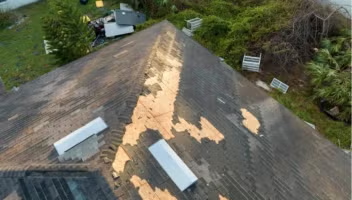
Annual rainfall doesn’t just exceed the national average of 30 inches — it often exceeds 50 inches in cities like Atlanta, Nashville, and Wilmington. The Southeast’s weather also brings intense, short-duration storms that dump heavy rain in a matter of minutes. Without gutters that can handle this volume, water builds up where it shouldn’t, leading to issues like structural damage and erosion around your home. Properly functioning gutters help protect your property by managing this water flow when it matters most.
Learn how you can help protect your home with LeafFilter® Gutter Protection.
What Happens When Gutters Clog?
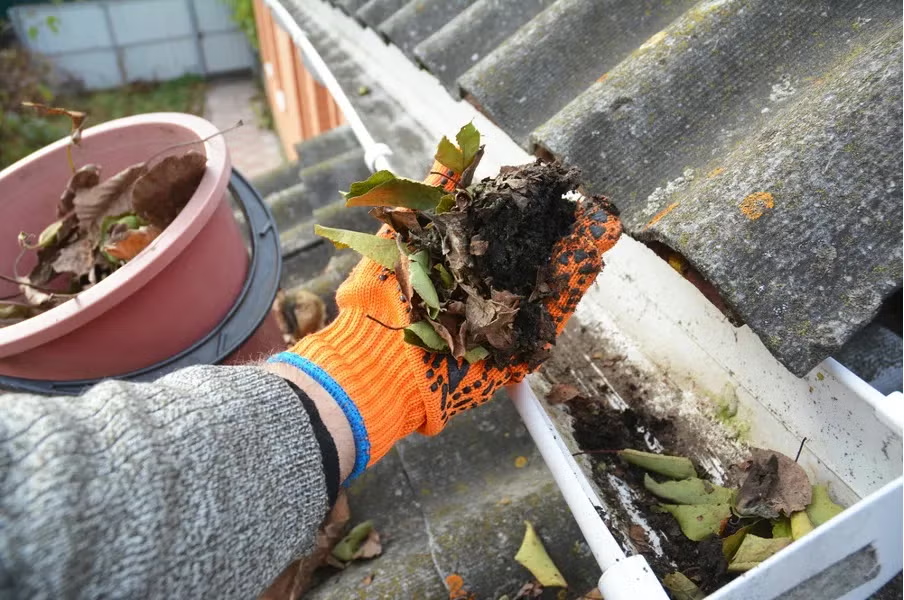
Clogged gutters send water exactly where it shouldn’t go against your roof, siding, and foundation. The damage builds quietly, then shows up as an expensive repair.
- Foundation damage: Standing water saturates the soil around your home, causing it to expand and press against your foundation walls. Foundation repairs in 2026 average $5,100.
- Fascia and soffit rot: Water trapped in a clogged gutter rots the wood trim along your roofline. Replacement typically runs $1,500 to $3,500 for an average home.
- Mold and pest growth: Standing water in a clogged gutter becomes a breeding ground for mold, algae, and pests.
These costs add up fast, and Southeast storms make the risk worse. A gutter clogged with leaves or other debris can’t move a sudden downpour fast enough, so the overflow lands exactly where you need protection most.
What Makes the Southeast’s Gutter Challenges Unique?
The Southeast’s climate and environment create a perfect storm of stressors for gutter systems, unlike anywhere else.
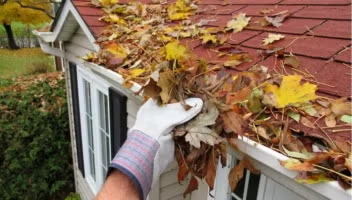
- Fall brings a heavy leaf drop, often from hardwood trees like oaks and maples, carpeting gutters with broad, dense leaves. Pine needles, which shed year-round, add to the problem by weaving into existing debris, making clogs even harder to dislodge.
- Spring introduces another layer — pollen season — from March through May. This sticky coating clings to gutter debris, creating a mat that traps even more material.
- From June through November, hurricane and storm season delivers torrential rain in minutes, testing whether gutters can move large volumes of water before it spills into unwanted areas. Pair that with the region’s high summer humidity, and the issue compounds.
Clogged gutters become a breeding ground for mold and algae, creating not just an eyesore but a potential health risk. It’s a cycle unique to the Southeast, requiring proactive care and specialized solutions to help keep your gutters — and home — protected.
How Does Fall Leaf Drop Affect Southeast Gutters?
Fall brings a unique challenge to homes surrounded by dense tree canopies. Leaves and other debris can fill gutters quickly, sometimes within days of a thorough cleaning. For those on wooded lots, the amount of buildup often requires more frequent attention compared to homes in open areas. The issue isn’t just volume — wet leaves and organic debris can clog downspouts and create the ideal environment for decay, leading to potential water damage. Knowing how to stay ahead of fall debris can save hours of cleanup later. Check out our October home maintenance checklist for actionable steps to protect your home this season.
How Does Storm Season Impact Southeast Gutters?
Hurricane season means more than just a few rainy days. Sudden, heavy downpours can easily overwhelm gutters that aren’t sized for storm intensity, leaving water with nowhere to go but over the edges. Even a cleaner system can struggle to keep up if it’s too small for the rainfall your region sees. Worse yet, a blocked gutter system turns these storms into a real threat, increasing the risk of water seeping into your home. Don’t wait for water damage to show up — learn the best time of year to clean out gutters to stay ahead of the storms.
Signs Your Gutters Need Attention
When fall hits, it’s tempting to wonder how often your gutters really need cleaning out. The truth is, waiting for visible issues means the damage has likely already started, hidden beneath the surface. Here’s how to tell if your gutters are overdue for attention:
- Water spilling over the sides during rain shows your system is clogged and unable to direct water away from your home.
- Sagging or pulling away from the roofline signals the weight of debris or standing water is too much for the brackets to hold.
- Plants growing in your gutters are a sure sign that debris has been sitting long enough to allow seeds to take root.
- Water stains on the fascia boards point to improper drainage that’s already affecting your home’s structure.
- Puddles near your foundation leave your home vulnerable to erosion, seepage, or structural weakening.
For most homes in the Southeast, gutters need cleaning out at least twice a year — once in spring and again in fall. If you’re in a wooded area, plan for a third cleaning to keep up with the extra debris.
Not sure whether to tackle cleaning or consider gutter protection options? Explore the cost of gutter cleaning compared to protection to find the best choice for your home.
How to Keep Leaves and Debris Out of Your Gutters
Clogged gutters can lead to water damage, foundation issues, and costly repairs. To help protect your home, start with simple steps like inspecting your gutters twice a year, trimming back overhanging branches, and ensuring your downspouts direct water several feet away from your foundation. These practices can help reduce buildup and keep water flowing where it needs to go.
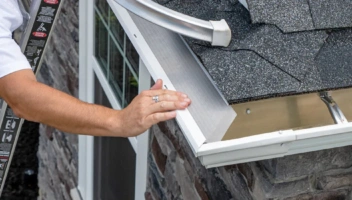
For a longer-term solution look to gutter guards. These systems are designed to help keep leaves and debris from entering your gutters while still allowing water to flow through freely. The result? Less buildup, less hassle, and fewer worries when storm season rolls around.
Not all gutter guards are created equal, though. Choosing the right system can eliminate the need for regular gutter cleaning — guaranteed. To learn more about how effective gutters help protect your home and why they’re worth the investment, check out our article on why gutters matter.
Protect Your Home With LeafFilter
Southeast homes deal with it all — heavy rain, pollen, leaves, and hurricane season fallout. And a standard open gutter? It can’t keep up without constant cleaning. That’s where LeafFilter Gutter Protection comes in. Our micro-mesh system helps keep debris out while letting water flow freely, helping prevent clogs and reducing the risk of water damage to your home. Plus, it’s backed by a limited-lifetime transferable warranty for added peace of mind.for added peace of mind.
Installation is straightforward and handled by local installers who know the unique needs of your region. We clean out and realign your existing gutters first, ensuring everything starts in correct working order. Most installations finish in as little as one day, leaving you with long-lasting protection and less maintenance.
It’s simple to get started. Schedule a free consultation with your local LeafFilter gutter expert. Find out how LeafFilter can help safeguard your home — no pressure, just solutions.