
How Long Do Gutter Guards Last?
Gutter guards typically last between 1 and 20+ years, depending on the type of guard, the materials used, how well the system is installed, and the conditions around your home. Foam and plastic gutter guards typically don’t last longer than 5 years, while micromesh commonly surpasses 20 years.
Longevity isn’t just about how long a product physically stays in place. A gutter guard that technically lasts 10 years but requires constant cleaning or causes overflow isn’t performing as intended. When deciding whether to install new guards or replace failing ones, it is important to consider the expected lifespan alongside the realities of maintenance, climate, and installation quality.
In this article:
- Gutter Guard Lifespans at a Glance
- How Long Do Different Gutter Guards Last?
- What Affects How Long Gutter Guards Last?
- Signs It’s Time to Replace Your Gutter Guards
- How to Extend the Life of Your Gutter Guards
- Are Longer-Lasting Gutter Guards Worth It?
- Frequently Asked Questions
Gutter Guard Lifespans at a Glance
Different gutter guard designs offer very different life expectancies. To help you make the right call for your home, we have broken down the average life expectancy of the most common gutter guard types.
| Gutter Guard Type | Typical Lifespan | Highlights |
|---|---|---|
| Foam Inserts | 1–5 years | Break down quickly; hold moisture and debris |
| Brush Guards | 5–7 years | Durable core, but bristles clog easily |
| Screen Guards | 5–10 years | Plastic screens become brittle over time; metal screens are more durable but let smaller debris through |
| Standard Mesh | 10–15 years | Moderate filtration but allows fine particles to pass through |
| Reverse Curve | 15–20 years | Uses surface tension to guide water into the gutter while shedding large debris; may overshoot in heavy rain. |
| Micromesh | 20+ years | Tightly woven mesh blocks both large and fine debris at the surface |
How Long Do Different Gutter Guards Last?
Not all gutter protection is created equal. While material is a big part of what determines gutter guard lifespans, other factors like installation quality, climate, debris type, and regular maintenance also play a part.
Foam Gutter Guards
Foam gutter guards are often the cheapest option, but they have the shortest lifespan. Made from sponge-like polyurethane, they typically break down within one to two years when exposed to sun, moisture, and debris. Foam inserts also tend to trap dirt and water, which can accelerate deterioration and lead to mold.
Brush Gutter Guards
Brush gutter guards, which resemble large pipe cleaners, consist of a metal wire core with thick bristles that sit inside the gutter. The core itself can last several years, but the bristles often catch leaves, pine needles, and seeds instead of shedding them. As debris accumulates, water flow can be restricted, increasing maintenance needs or attracting pests.
Screen Gutter Guards
Screen guards are flat covers with relatively large holes, usually made of plastic or metal. Metal versions are generally more durable than plastic, lasting 10 to 15 years depending on the climate. Plastic versions are prone to becoming brittle and cracking, typically lasting around 5 years. Because the openings are larger, screens primarily block leaves and twigs but allow fine debris like shingle grit and pollen to pass through into the gutter. While metal screens last longer, they often lack the fine filtration needed to stop seeds and grit from entering your system.
Standard Mesh Gutter Guards
Mesh gutter guards use smaller, more tightly spaced openings than standard screens, which improves filtration and reduces the amount of debris entering the gutter. While they perform better against fine particles, some grit and organic matter can still settle on the surface or slip through over time, requiring periodic cleaning to maintain proper water flow.
Reverse Curve (Surface Tension) Gutter Guards
Reverse-curve guards use surface tension to guide water into the gutter while deflecting debris. They are typically made of durable plastic or aluminum and can last 15 to 20 years. However, they are visible from the ground, which some homeowners may find affects curb appeal, and in heavy rain, water may overshoot the gutter rather than follow the curve.
Micromesh Gutter Guard
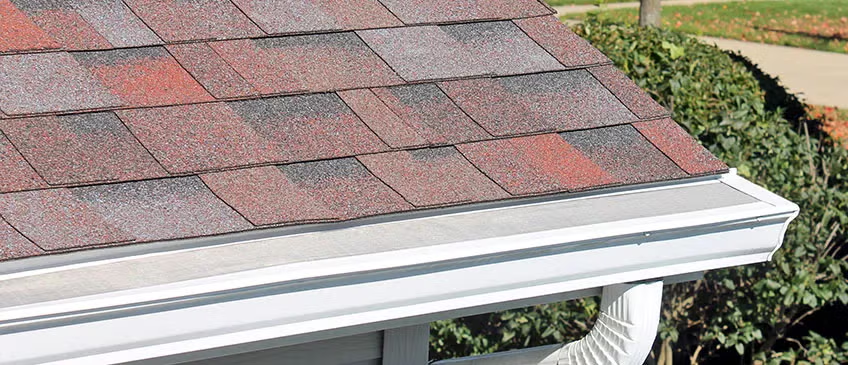
Micro-mesh systems use tightly woven stainless steel mesh to block both large and fine debris. Systems like LeafFilter use a stainless steel micro-mesh that resists rust and corrosion, often lasting 20+ years when professionally installed. Their durability comes from corrosion-resistant materials and secure fastening, rather than being completely maintenance-free.
What Affects How Long Gutter Guards Last?
You might be wondering why one system lasts five years while another lasts a lifetime. It usually comes down to three things: what it is made of, how it is installed, and the debris it has to handle.
Material Quality
Plastic and vinyl guards are budget-friendly options, but they are sensitive to temperature. In extreme cold, vinyl becomes brittle and susceptible to cracking. High heat can also cause warping. Consequently, DIY plastic guards generally last only 5–10 years. Aluminum and stainless steel guards offer increased durability, resisting rust and holding up well in extreme temperatures. These materials are designed to last significantly longer.
Installation Quality
While cost-effective and convenient to purchase, DIY gutter covers are mass-produced without any custom fitting to the structure of the home. Incorrectly installed gutter guards can impact the lifespan of the entire gutter system, regardless of the material. Poor pitch, loose fasteners, gaps, or inadequate support can cause pooling, overflow, and added stress on the system, shortening its usable life.
Climate and Environment
Your local weather and surrounding debris type can play a significant role in your gutter guard’s longevity. Guards tend to break down more quickly when facing conditions like extreme heat, heavy rain, frequent snow, or strong winds. The type of debris matters, too. Homes with pine trees or fine roof grit require guards with finer filtration, like micromesh. Larger holes in screens or brushes can clog quickly in these conditions. Regular inspection is especially important in harsher climates.
Maintenance and Inspection
Gutter guards reduce overall gutter maintenance, but they don’t eliminate it entirely. To keep your system working for the long haul, you need to regularly inspect and maintain gutter guards. We recommend inspecting your gutter guards twice a year. For micromesh or screen systems, simply brush off any debris sitting on the surface. Foam or brush inserts may need to be removed to shake out grit trapped inside. Keeping the top clear ensures the water goes where it is supposed to go.
Signs It’s Time to Replace Your Gutter Guards
How do you know if your current system is failing? It comes down to whether the issue is temporary or structural. If your guards are simply dirty, maintenance (cleaning) is often the solution. However, if the materials are breaking down or the system no longer diverts water effectively even after cleaning, replacement or repair is likely necessary to prevent future water damage.
If you notice these specific signs, here is how to tell if you need a repair or a full replacement:
- Persistent Water Overflow: If water drips over the edges or pools near your foundation, check the installation angle first. Incorrect pitch can be repaired. However, if the mesh itself is permanently clogged or damaged and preventing water from passing through even after cleaning, the guards might need to be replaced.
- Sagging or Separation: If you see gaps between the gutter and the roof, brackets may be failing. While a single loose bracket can be repaired, widespread sagging usually means the system is too heavy or structurally compromised, requiring replacement.
- Visible Damage: Cracks in vinyl, rust on steel, or dents in aluminum might allow debris to bypass the guard. Physical deterioration like this often indicates it is time for replacement.
- Foundation Issues: Cracks in your foundation or mold in the basement are serious red flags that water is not being diverted away from your home. This suggests a need for professional inspection and repair.
How to Extend the Life of Your Gutter Guards
Even the best systems benefit from periodic care. Simple steps help ensure consistent performance. Here is a checklist to help keep your gutter guards performing their best:
- Seasonal Inspections: Check your system in the spring and fall to ensure debris hasn’t piled up.
- Post-Storm Checks: After heavy wind or snow, take a quick look to make sure nothing has shifted or been damaged by falling branches.
- Light Surface Cleaning: If you see leaves sitting on top of the mesh, brush them off to keep water flowing freely.
- Tree Trimming: Keep branches trimmed back from the roofline to reduce the amount of debris falling onto your system.
- Prompt Repairs: If you notice a loose section or a small gap, fix it early before it affects the rest of the gutter run.
Are Longer-Lasting Gutter Guards Worth It?
Longer-lasting gutter guards can be a good investment for homeowners who want to reduce ongoing gutter maintenance, especially in areas with heavy tree coverage or frequent rain. While no system is entirely maintenance-free, durable materials combined with proper installation can offer more consistent performance and fewer issues over time.
The right choice depends on your climate, debris type, budget, and expectations. Understanding realistic lifespans helps homeowners choose a system that fits their home rather than relying on short-term fixes.
Frequently Asked Questions
How long do gutter guards typically last?
Most gutter guards last between 1 and 25 years, depending on the type. Foam inserts tend to have the shortest lifespan, while professionally installed micromesh and reverse-curve systems typically last much longer when properly installed and maintained.
Do gutter guards need to be replaced before gutters?
In many cases, gutter guards need to be replaced or adjusted before the gutters themselves, especially if the guards are made from less durable materials like foam or plastic. However, if gutters are rusted, sagging, or improperly pitched, replacing or repairing the gutters first is often necessary to ensure new guards perform correctly.
What type of gutter guard lasts the longest?
Gutter guards made from aluminum or stainless steel, such as micromesh or reverse-curve systems, generally have the longest lifespan. Their durability comes from corrosion-resistant materials and secure installation methods that help them withstand weather and debris over time.
Does climate affect gutter guard lifespan?
Yes. Climate plays a major role in how long gutter guards last. Homes in areas with heavy snow, frequent storms, and persistent debris may see more wear or surface buildup, while intense sun and heat can shorten the life of plastic or foam guards. Regular inspections are especially important in harsher climates.
How can I tell if my gutter guards are failing?
Common signs include water overflowing during rain, debris collecting on top of the guards, sagging sections, rust or cracking, or water pooling near the foundation. If these issues persist after cleaning or inspection, it may be time to repair or replace the gutter guards.