
May Is Wildfire Awareness Month: What Homeowners Need to Know
Prepping your home for seasonal changes is a familiar routine. You clean out your gutters in the fall, check your siding in the spring, and look for ways to keep your home in good shape year-round. Wildfire awareness deserves a spot on that checklist, even if you don’t live in an area typically associated with wildfires.
May is Wildfire Awareness Month, with national efforts such as the National Fire Protection Association’s (NFPA) Wildfire Community Preparedness Day helping bring wildfire education and preparation to the forefront. In 2026, Wildfire Community Preparedness Day falls on Saturday, May 2.
Wildfire Awareness Season gives homeowners a timely opportunity to learn, plan, and make practical updates before hotter, drier conditions arrive.
Quick Answer: When Is Wildfire Awareness Season?
Wildfire Awareness Month is observed in May, with many national and community education efforts focused on early May. However, the wildfire season can extend from late spring through fall, depending on local weather, vegetation, and climate conditions. In some regions, wildfire risk can remain elevated year-round.
For homeowners, May serves as a helpful reminder to review outdoor maintenance, establish defensible space, and address home hardening basics before peak seasonal conditions arrive.
Wildfire Preparedness Terms to Know
What Is Wildfire Awareness Month?
Wildfire Awareness Month is an educational period focused on awareness, preparation, and community action. May acts as a seasonal reminder to review your home’s exterior and evaluate your wildfire preparedness.
Events like the NFPA’s Wildfire Community Preparedness Day encourage people and organizations to take action, raise awareness, and help reduce wildfire hazards. For homeowners, participating can offer added peace of mind by helping you feel more prepared.
These efforts often include small, manageable steps like clearing yard debris, reviewing your landscaping choices, cleaning out gutters, and learning about home hardening zones.
Preparation goes beyond creating an emergency evacuation plan. It involves reducing potential sources of fuel around the home. Taking these steps can help make your property more prepared while supporting the safety and well-being of your neighborhood.
Why Does Wildfire Awareness Matter for Homeowners?
Wildfire awareness helps homeowners understand how small exterior conditions can influence risk. Dry leaves, pine needles, mulch, overgrown vegetation, and clogged gutters can all create ignitable fuel sources when they collect near the home.
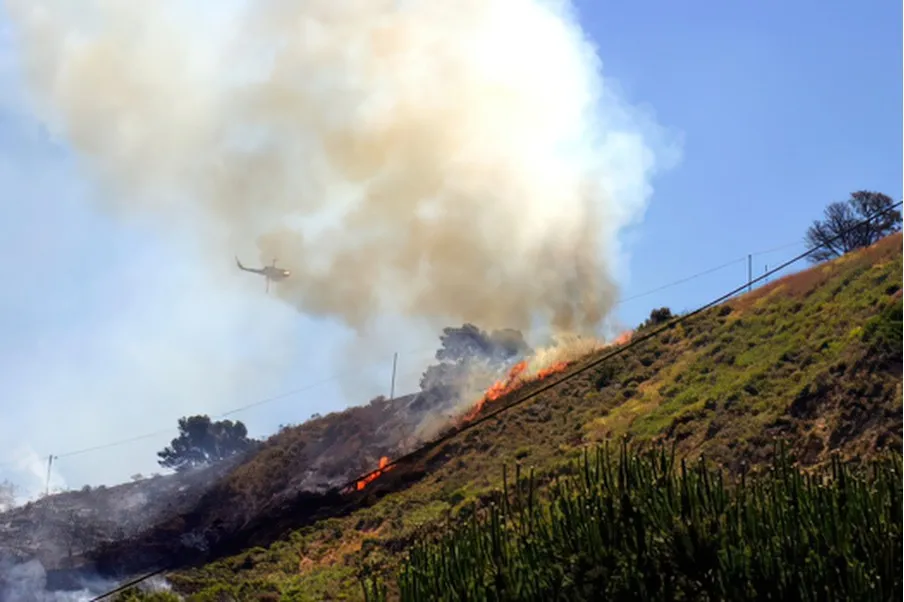
Wind-blown embers are a major concern during wildfires. These tiny, burning pieces of wood or vegetation typically fly over a mile, but can travel up to five miles under windy conditions. Embers and small flames are commonly identified as key ways homes ignite during wildfire events. That makes exterior maintenance and the area immediately around your home especially important.
Preparing your home to better withstand ember exposure helps minimize the likelihood that flames or surface fire will reach vulnerable areas.
By building your wildfire awareness, you can make seasonal maintenance decisions with purpose. Routine tasks like cleaning the roofline, trimming shrubs, and clearing debris directly support your preparedness. Over time, these practical steps can help reduce risk and make your home less vulnerable to shifting seasonal weather.
What Homeowners Should Know About Ember Spread
Many homeowners picture wildfire risk as flames moving toward a property. Wind-blown embers present an equal, if not greater, challenge. These glowing fragments can land on dry, combustible materials around your property and ignite new fires far from the original source.
Understanding the concept of ember spread is critical for protecting your property. Embers naturally collect in the same places that leaves do, including roof valleys, gutters, wooden decks, landscaping beds, and corners near your foundation.
Keeping these areas clear of debris helps minimize the fuel embers need to ignite. A gutter guard protection system can help limit the buildup of leaves, twigs, and other dry debris inside gutters. This supports your wildfire preparedness strategy by helping reduce places where wind-blown embers may land on combustible material.
What Is Home Hardening?
Home hardening involves making updates to your home’s exterior and surroundings to help reduce vulnerability to wildfire exposure. This process specifically targets risks associated with flying embers, radiant heat, and nearby combustible materials.
Simple, practical home hardening steps include:
- Maintaining a clean roof and gutter areas.
- Using fire-resistant or noncombustible materials for gutters, siding, and decking where appropriate.
- Keeping vents, decks, and exterior openings clear and well-maintained
- Reviewing landscaping choices and plant spacing near the home.
- Removing debris from corners and crevices where embers may collect
Discover how to evaluate each area around your home in our home hardening zones checklist.
What Is Defensible Space?
Defensible space is a maintained buffer around your home that can help slow the spread of fire and reduce fuel sources. The focus is on managing vegetation, debris, and combustible materials in the areas around your house.
Standard wildfire mitigation and home ignition zones are typically grouped into three zones.
- Zone 0 – Ember-Resistant Zone
Extends 0–5 feet from the home and attached structures - Zone 1 – Lean, Clean, and Green Zone
Extends 5–100 feet from the home and attached structures - Zone 2 – Reduce Fuel Zone
Extends 30–50 feet from the home and attached structures
Creating defensible space is not about stripping your yard bare or removing every tree. It is about strategic spacing, consistent maintenance, and smart material choices.
The Area Closest to the Home Matters Most
The first few feet around your home deserve close attention. This is where combustible materials often collect near siding, doors, wooden decks, foundation plantings, and gutters.
Keeping this immediate zone clear of dry vegetation, flammable mulch, and other debris helps reduce the chance of a surface fire reaching your home’s exterior walls.
Fire-Smart Landscaping Can Still Look Beautiful
Wildfire preparedness does not mean giving up curb appeal. Fire-smart landscaping can still look lush and inviting.
The goal is to make thoughtful choices that reduce debris and combustible materials near the home. This may include choosing fire-resistant plants, strategically spacing shrubs, pruning trees regularly, incorporating hardscaping, and keeping dry plant matter away from vulnerable areas.
What Should You Review During Wildfire Awareness Season?
Wildfire Awareness Season is a good time to walk around your home and look for areas where dry debris, vegetation, or combustible materials may collect. Handling these tasks in May helps set you up for a safer summer and fall.
Here is a practical checklist to get started:
- Clear out leaves, pine needles, and debris from rooflines, gutters, decks, and around the foundation.
- Trim branches that hang close to the roof or exterior walls.
- Move firewood, propane tanks, and other combustible materials away from the home where possible.
- Inspect landscaping beds for dry vegetation or mulch that may be touching the home.
- Maintain lawns, shrubs, and trees in accordance with local municipal guidelines.
- Check vents, screens, and exterior openings for damage or buildup.
- Review your household communication and evacuation plan.
- Consider fire-resistant gutter guards as part of a larger exterior maintenance plan.
For a more detailed seasonal plan, read our guide on how to prepare your home for wildfire season.
How Gutters Fit Into Wildfire Preparedness
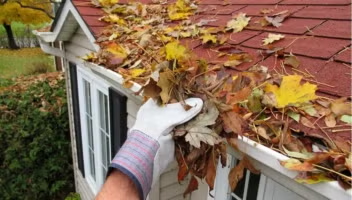
Gutters easily collect leaves, twigs, and other debris throughout the year. During dry conditions, that buildup can become one more place where embers may land. Keeping gutter beds cleared out is an essential part of seasonal wildfire preparedness.
Because gutters are part of the roofline, they are a key area to monitor. Unfortunately, dry debris in gutters can be difficult to spot from the ground. Routine cleaning helps, but many homeowners prefer a lower-maintenance solution to handle this ongoing chore.
Gutter guards made with noncombustible materials, such as aluminum or steel, can help keep debris out and prevent melting. LeafFilter’s professionally installed gutter protection system features microsmesh screens made from surgical-grade stainless steel.
Our gutter guard system helps keep debris out of your gutters, helps prevent melting, and supports a cleaner roofline. That means one less maintenance concern during wildfire season and beyond.
Is Wildfire Awareness Only Important in High-Risk States?
Wildfire risk is often associated with Western and Southwestern states. However, shifts in weather patterns have led more regions across the U.S. to experience an increase in the number and intensity of wildfires. The basic principles of wildfire education, defensible space, and exterior maintenance are useful for homeowners across the country.
Risk varies based on your local climate, vegetation, weather patterns, and property conditions. Homeowners should always follow their local fire authority recommendations.
Even in historically lower-risk regions, keeping your gutters and outdoor areas clear supports general home maintenance. Using May as a reminder to review seasonal outdoor conditions is a smart habit for any property owner.
Wildfire Awareness Season Is About Preparation, Not Panic
The goal of Wildfire Awareness Season is not to make homeowners feel overwhelmed. It is to make preparedness feel easier to manage.
Small steps, such as clearing debris, maintaining landscaping, and learning about home hardening, all help make a property more prepared over time.
Start with the basics, then work outward. Prepare your home for the season, review your home hardening zones, and look for exterior maintenance improvements that can make upkeep easier year-round.
Key Takeaways for Wildfire Awareness Season
- May is recognized as Wildfire Awareness Month, with Wildfire Community Preparedness Day held on the first Saturday in May.
- Wildfire awareness helps homeowners understand how embers, dry debris, vegetation, and exterior maintenance can affect risk.
- Home hardening and defensible space are two key concepts for wildfire preparedness.
- Gutters, rooflines, decks, landscaping, and the area closest to the home are primary areas to inspect.
- Fire-resistant gutter guards can support a larger maintenance plan by helping reduce debris buildup in gutters.
- Wildfire preparedness is most effective when incorporated into your seasonal home care.
Frequently Asked Questions About Wildfire Awareness Season
When is Wildfire Awareness Month?
May is widely recognized as Wildfire Awareness Month. In 2026, the NFPA’s Wildfire Community Preparedness Day will take place on Saturday, May 2.
What is the purpose of Wildfire Awareness Month?
The purpose is to encourage wildfire education, preparedness, and practical action. For homeowners, that may include removing debris, reviewing landscaping, maintaining gutters, and learning about home hardening.
What does home hardening mean?
Home hardening means making the exterior of your home and the area immediately around it less vulnerable to wildfire exposure, especially from embers, dry debris, and nearby combustible materials.
What is defensible space?
Defensible space is the maintained area around a home that helps reduce fuel sources and may help slow the spread of wildfire near the property.
Why are gutters important during wildfire season?
Gutters can collect dry leaves, twigs, and other debris. Keeping gutters cleared out helps reduce debris along the roofline, which is an important part of seasonal wildfire preparedness.
Can gutter guards help with wildfire preparedness?
Fire-resistant gutter guards can help reduce debris buildup and prevent melting. They should be considered as one part of your wildfire preparedness plan that also includes defensible space, fire-smart landscaping, and regular exterior maintenance.
Prepare Your Home With Confidence
A well-maintained gutter system can be one helpful step in your seasonal home maintenance plan. See how LeafFilter can help protect your gutters from clogs and debris buildup during wildfire season and beyond.
Contact your local LeafFilter gutter experts for your free estimate today.
Resources
- National Aeronautics and Space Administration (NASA). Wildfires and Climate Change. Updated May 28, 2025. https://science.nasa.gov/earth/explore/wildfires-and-climate-change/.
- National Fire Protection Association (NFPA). What is the Home Ignition Zone? January 6, 2025. https://www.nfpa.org/news-blogs-and-articles/blogs/2025/01/06/what-is-the-wildfire-home-ignition-zone.
- National Fire Protection Association (NFPA). Preparing Homes for Wildfire. 2026. https://www.nfpa.org/education-and-research/wildfire/preparing-homes-for-wildfire.
- National Fire Protection Association (NFPA). Wildfire Community Preparedness Day. 2026. https://www.nfpa.org/events/wildfire-community-preparedness-day.
- U.S. Fire Administration. Protecting Structures From Wildfire Embers and Fire Exposures. Updated September 17, 2024. https://www.usfa.fema.gov/blog/protecting-structures-from-wildfire-embers-and-fire-exposures/.