

Gutter Parts Guide: Understanding Every Component of Your System

A home’s gutter system is made up of several connected parts that work together to collect rainwater and direct it safely away from the house. While gutters may look simple from the ground, each component plays a specific role in protecting your roof, siding, foundation, and landscaping from water damage.
This gutter parts guide breaks down the most common components found in residential gutter systems, explains what each part does, and shows how they work together as a system. You’ll also learn what signs of wear to watch for, which parts tend to fail first, and when repairs or upgrades may be needed to keep water flowing where it should.
In this article:
- Why Your Gutter System Matters
- Main Gutter Parts
- Additional Gutter Parts You May Have on Your Home
- Gutter Materials Comparison
- Common Problems With Gutter Parts (and What They Mean)
- When to Repair or Replace Gutter Parts
- Gutter Maintenance Tips
- DIY vs Professional Gutter Installation
- Building a Long-Lasting Gutter System
- Frequently Asked Questions
Why Your Gutter System Matters
Your gutter system is designed to manage roof runoff and move water away from your home’s structure. When gutter parts become loose, clogged, or damaged, water can overflow or drain in the wrong areas, increasing the risk of foundation erosion, basement leaks, fascia damage, and soil washout.
Understanding how your gutter system is built and what each part is responsible for helps you spot issues earlier, maintain the system more effectively, and determine whether a repair, replacement part, or system upgrade is the right solution. That knowledge also makes it easier to compare gutter options, such as seamless versus sectional gutter systems, and choose a setup that best fits your home, climate, and maintenance preferences.
Main Gutter Parts
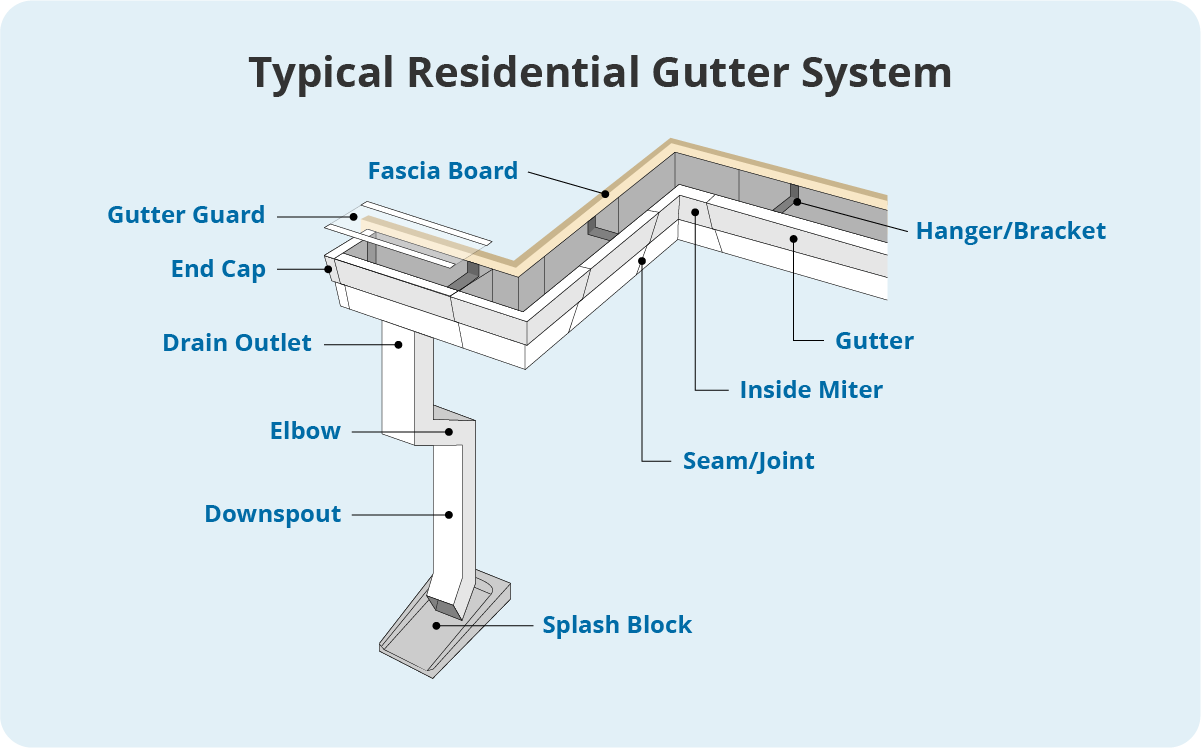
All standard residential gutter systems include several key parts that manage rainwater from the roof to the ground. These include the gutters along the roofline, downspouts that carry water downward, downspout extensions that move water farther away from the home, elbows that change direction, end caps that seal gutter runs, and hangers that support and secure the system in place.
Gutters
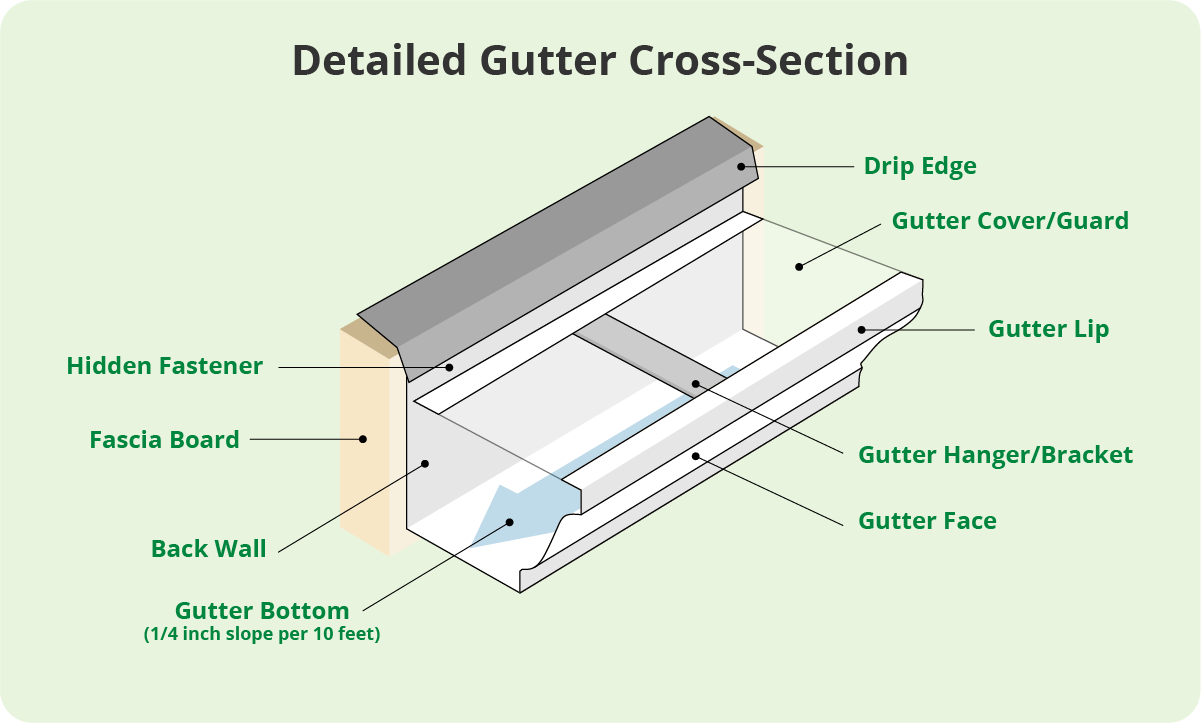
Gutters are the horizontal sections installed along the roofline that collect rainwater as it runs off the shingles and guide it toward the downspouts. For most homes, gutters are shaped as either K-style or half-round, made from materials such as aluminum, vinyl, or steel, and sized at 5 or 6 inches depending on roof area and local rainfall. These details matter because gutter size and shape influence how much water the system can handle during heavy rain, while proper installation, including a slight slope toward the downspouts, helps water drain efficiently and reduces the risk of overflow, pooling, or long-term strain on gutter components.
Downspouts
Downspouts are vertical pipes attached to the gutters that carry water from the roofline down to ground level. They are usually placed at corners or along longer gutter runs to handle higher water volume and are commonly sized at 2×3 inches or 3×4 inches, depending on how many downspouts a home needs. Because downspouts concentrate water flow into a smaller space, they are one of the most common areas for clogs, making regular downspout maintenance important for keeping water draining properly.
Downspout Extensions
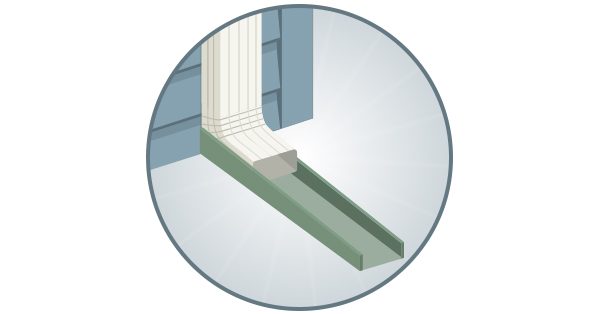
Downspout extensions attach to the bottom of downspouts and help divert water away from the home. Homeowners often use them to protect the foundation, reduce soil erosion, and prevent water from pooling near basements or crawl spaces.
Elbows
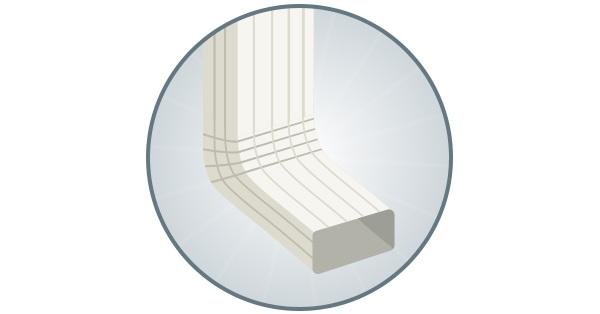
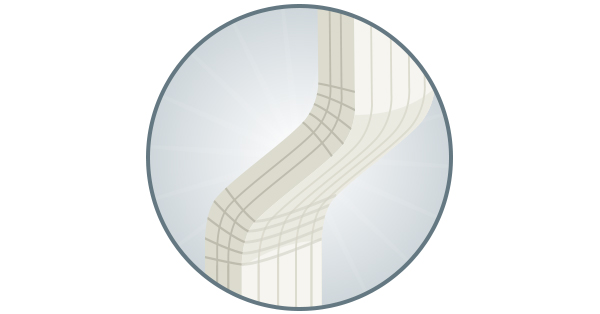
Elbows are angled fittings that connect sections of a downspout and change the direction of water as it flows downward. There are different elbow types, most commonly available in A-style or B-style configurations, which determine whether water is directed forward or sideways — and are typically angled at 30°, 45°, or 75° depending on the turn needed along the home’s exterior.
End Caps
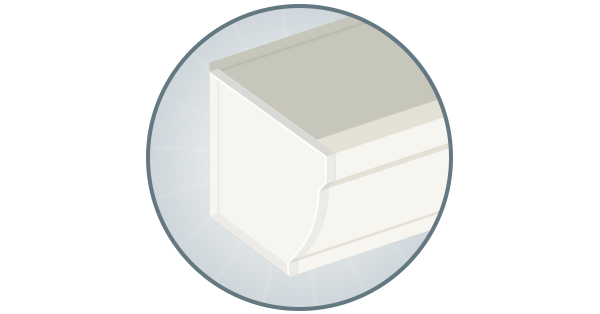
End caps seal off the open ends of a gutter run to prevent water from escaping, directing it instead toward the downspouts. They are typically made from the same material as the gutter. Proper sealing during installation is important, as loose or poorly sealed end caps can lead to leaks along the edges of the gutter.
Gutter Hangers
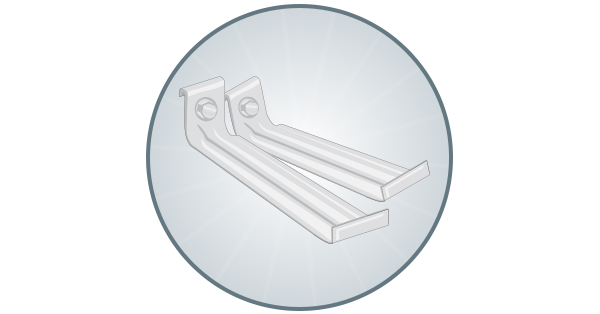
Hangers are the supports that secure gutters to the fascia board and help keep them properly sloped. Hidden hangers use internal brackets that attach inside the gutter, while roof straps extend over the top of the gutter for added support in some systems. Hangers are typically spaced every few feet to support the weight of water, and when brackets loosen, corrode, or are spaced too far apart, gutters can begin to sag or pull away from the home.
Additional Gutter Parts You May Have on Your Home
In addition to the main components, some homes include extra gutter parts that help manage water flow, support the system, or protect the home from drainage-related damage.
Miters (Inside and Outside Corners)
Miters are angled pieces that connect two gutter sections at a corner, allowing the system to follow the roofline and maintain smooth water flow through the turn. Proper sealing at miters is important, as poorly sealed corners are a common source of gutter leaks.
Outlets (Drop Outlets)
Outlets, also called drop outlets, connect gutters to downspouts and direct collected water into the vertical drainage system. Proper sizing and sealing help ensure efficient flow and reduce the risk of backups or overflow during heavy rain.
Fascia Board
The fascia board runs along the edge of the roof and provides the surface where gutters are typically mounted. While it’s not a gutter component itself, its condition directly affects how securely gutters can be attached. Fascia rot or damage can weaken gutter support and lead to sagging or alignment issues.
Splash Blocks
Splash blocks are placed on the ground beneath downspouts to help guide water away from the foundation. They reduce soil erosion and help prevent water from pooling near the base of the home. Splash blocks are often used where extensions or underground drainage are not present.
Gutter Guards (Highly Recommended)
Gutter guards are installed over open gutters to help prevent debris from entering and causing clogs. By limiting buildup inside the gutter, guards can help water flow more freely and reduce the frequency of manual cleaning. Different designs offer varying levels of coverage and maintenance reduction.
on LeafFilter®

Gutter Materials Comparison
Gutters are commonly made from aluminum, steel, copper, or vinyl, and each material offers a different balance of durability, cost, and longevity. Aluminum is the most popular choice for residential homes because it balances affordability, rust resistance, and ease of installation, and it’s commonly used for seamless gutter systems. Other materials may offer added strength or longer lifespan but often come with higher costs or more limited use cases.
Below is a high-level comparison of common gutter materials to help homeowners understand how each option differs.
| Material | Pros | Cons |
|---|---|---|
| Aluminum | Lightweight, rust-resistant, affordable, seamless-compatible | Can dent; may corrode over time in coastal environments |
| Steel | Very strong, handles heavy water flow well | Heavier, higher cost, may rust if coating is damaged |
| Copper | Extremely durable, low maintenance, long-lasting | Highest upfront cost; develops patina over time |
| Vinyl | Lightweight, rust-resistant, DIY-friendly, lowest upfront cost | Can warp or crack in extreme temperatures |
Common Problems With Gutter Parts (and What They Mean)
When a gutter system isn’t working properly, the issue is often tied to a specific part rather than the entire system. Recognizing common warning signs can help homeowners identify where a problem may be coming from and decide whether a simple repair or adjustment is needed before damage worsens.
- Sagging gutters: Often caused by loose, damaged, or improperly spaced hangers that can no longer support the weight of water.
- Overflowing at corners: Typically points to worn seals or leaks at miters, especially where gutter sections meet at inside or outside corners.
- Water pooling near the foundation: Commonly linked to downspout placement issues or missing or poorly positioned downspout extensions.
- Drips at the ends of gutters: Usually a sign of loose, damaged, or poorly sealed end caps.
- Water spilling over the gutter edge: Can occur when gutters are undersized, improperly sloped, or clogged, preventing water from draining toward the downspouts.
When to Repair or Replace Gutter Parts
Many gutter issues can be resolved by repairing or replacing individual parts rather than the entire system. Isolated problems, such as a loose hanger, leaking end cap, or damaged downspout section, are often straightforward fixes. Replacement may be a better option when issues are widespread, including recurring leaks, persistent sagging, rust, or cracks across multiple sections. Age can also be a factor, as older gutters are more likely to develop several failure points at once. Looking at how many parts are affected, and how often problems return, can help homeowners decide whether targeted repairs or full replacement makes the most sense.
Gutter Maintenance Tips
Most gutter problems build up over time as leaves, dirt, and debris collect in open gutters and put extra strain on gutter parts. For most homes, checking and cleaning out gutters about twice a year is a good starting point, often in late spring after seeds and pollen drop and again in fall after the first big leaf drop. Homes in rainy climates, wooded areas, or storm-prone regions may need additional seasonal checks during peak rainfall. Gutter guards can help limit how much debris enters the system, which may make seasonal upkeep easier and help gutter parts last longer.
DIY vs. Professional Gutter Installation
Gutter installation can be done as a DIY project or by a professional, and the right choice often depends on the home’s size, roof height, and gutter type. While DIY installation may cost less upfront, it comes with added safety risks and requires proper slope, spacing, and attachment to avoid drainage issues, and some warranties may not apply if gutters are installed incorrectly. Professional gutter installation costs more but can help ensure the system is properly aligned and secured, reduce the risk of future problems, and support applicable warranty coverage. All of these reasons, which help save money in the long run, are why many homeowners choose professional help for larger homes, steep roofs, or seamless gutter systems.
Building a Long-Lasting Gutter System
Knowing how your gutter system is put together and what signs to watch for can make it easier to care for your home and catch issues early. A little attention over time, like routine checks and timely repairs, can go a long way in keeping water moving where it should.
If reducing gutter cleaning and helping your gutter system last longer is a priority, LeafFilter Gutter Protection—the tested and proven solution to prevent clogged gutters— is designed to do both. Backed by a lifetime, transferable warranty, LeafFilter offers a long-term option for homeowners who want less upkeep. LeafFilter prevents debris from entering the gutter that can cause clogs. Get a free estimate to see if it’s a good fit for your home.
Frequently Asked Questions
What is the primary function of a drop outlet?
A drop outlet, also called an outlet, connects the gutter to the downspout and directs collected rainwater from the gutter into the vertical drainage system. It is typically installed at low points along the gutter run or near corners where water naturally flows. Proper sizing and secure sealing are important, as poorly installed outlets can contribute to backups or leaks during heavy rain.
How do I choose the right gutter size?
Choosing the right gutter size depends on roof size, pitch, and how much rainfall your area typically receives. Most homes use 5-inch or 6-inch gutters, with larger sizes better suited for heavy rain or larger roof areas. Gutter shape also plays a role, as K-style gutters generally handle more water than half-round gutters of the same size, and many homeowners use basic sizing calculators or professional assessments to determine the best fit.
What are the pros and cons of aluminum vs. vinyl gutters?
Aluminum gutters are popular because they’re durable, rust-resistant, and commonly used in seamless systems. Vinyl gutters cost less upfront and are lightweight, but they’re more likely to crack or warp in extreme temperatures. Homeowners comparing performance, longevity, and cost can learn more in this guide to aluminum vs. vinyl gutters.
Can I install gutter components myself?
Some minor gutter repairs or component replacements can be handled by experienced DIYers, but working at height always carries significant safety risks. Proper installation requires correct slope, spacing, and secure attachment to ensure reliable drainage. In some cases, warranties may not apply if components are installed incorrectly, which is why many homeowners choose professional help for larger projects or full system installations.