
Downspout Sizes and Materials: What’s Best for Your Home?
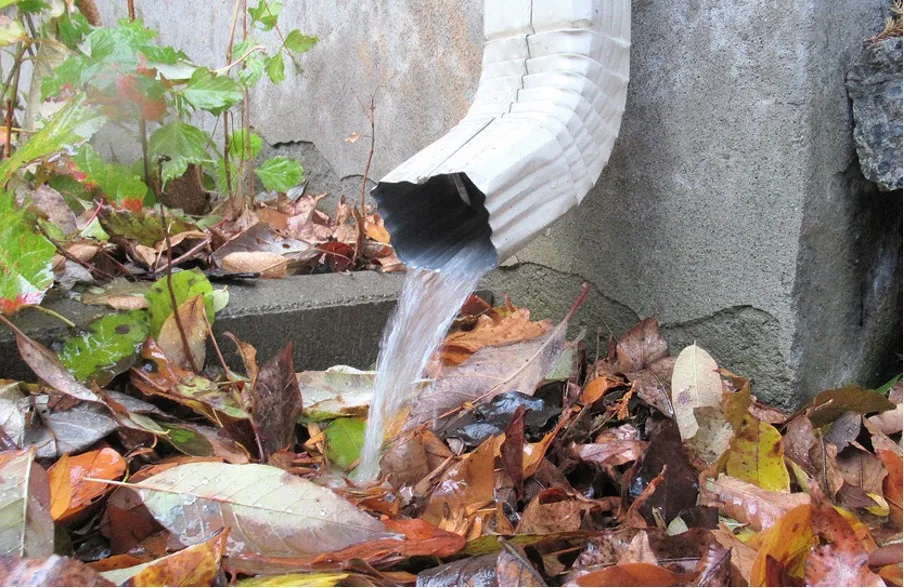
Your gutters overflow in every storm. Water pools by the foundation. And you’re starting to wonder if the downspouts are the problem.
Often, they are. Downspouts are easy to ignore until they fail you, and then they fail hard. The good news? Getting them right isn’t complicated.
Most homes use one of two sizes: 2×3 inches or 3×4 inches. The right pick comes down to your roof area, your gutter size, and how much rain you get. Material matters, too, since it determines how long your downspouts last and how well they hold up to the weather in your area.
Downspouts carry a big job for such a small part. They move water away from the most expensive part of your home: your foundation. Get your downspout sizes and materials right, and you protect that investment for years.
Here’s what you’ll learn:
- What size downspout your home needs
- How 2×3 and 3×4 downspouts compare
- Which material lasts longest for your climate
- When to size up or replace
Want the full rundown on how water changes direction through the system? Check out our guide to the different types of downspout elbows.
What Size Downspout Does Your Home Need?
Most homes use either a 2×3-inch or a 3×4-inch downspout. The right size depends on your roof area, your gutter size, and how much rain your area gets.
Think of it like a straw. A wide roof in a rainy region can push a lot of water quickly. A skinny straw can’t keep up, so it overflows. A bigger straw or downspout moves that water without backing up.
The size of your downspouts matches that of your gutters, too. A 2×3-inch downspout usually matches 5-inch gutters. A 3×4-inch downspout usually matches 6-inch gutters. More roof and more rain mean you want the bigger option.
2×3 vs. 3×4 Downspouts
The difference comes down to capacity. A 3×4 downspout carries noticeably more water than a 2×3, which makes it the stronger pick for larger roofs and heavy-rain regions.
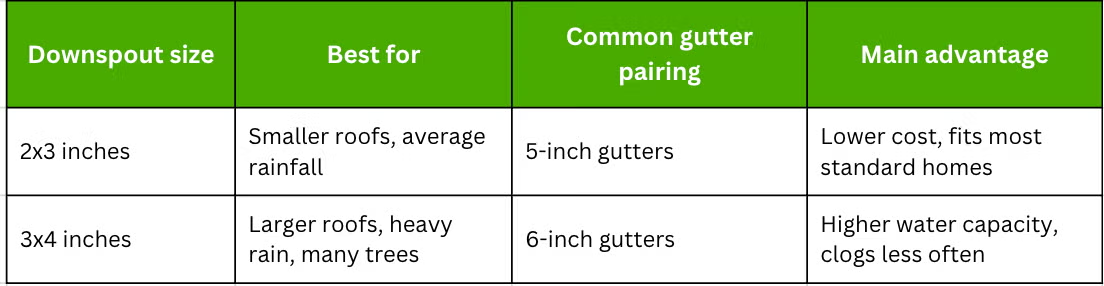
A 2×3 works fine for a smaller home in an area with average rainfall. A 3×4 handles more volume and clogs less often, since debris has more room to travel through. When in doubt, and especially in heavy-rain regions, the larger 3×4 can buy you extra capacity and fewer headaches.
When Should You Size Up Your Downspouts?
Size up when your gutters overflow, your roof is large, or your area sees heavy rain. Your home usually tells you when the current setup can’t keep up.
Watch for these signals:
- Gutters overflow during most storms, even when they’re cleaned out.
- Water pools near the foundation after it rains.
- Downspouts clog again and again.
- You’ve added roof area, or you live under heavy tree cover.
Sizing up will cost more now, but foundation repairs will cost a lot more later. Cracks, leaks, and a wet basement all trace back to water that has nowhere to go. A bigger downspout offers more affordable peace of mind against an expensive problem.
What Are the Best Downspout Materials
Aluminum is the most popular material choice for most homes. It balances cost, durability, and rust resistance, which is a hard combination to beat. Vinyl is the cheapest, while steel and copper are the most durable.
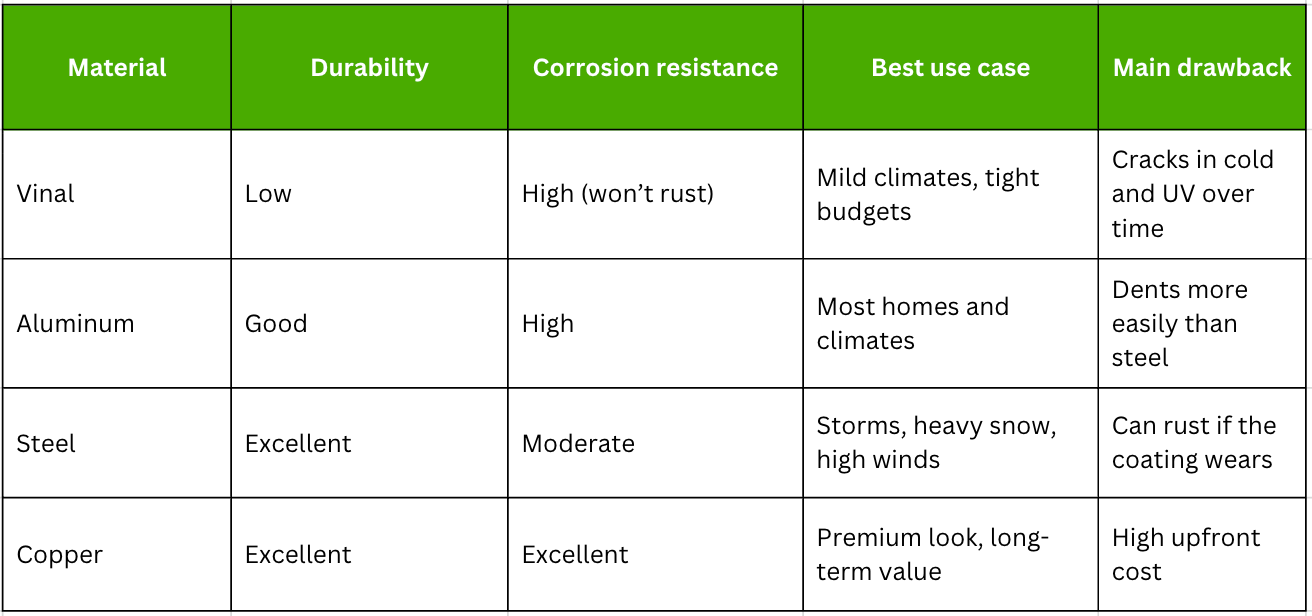
Here’s a quick breakdown on each:
- Vinyl: Cheap and lightweight, but it gets brittle in the cold and cracks under years of sun exposure.
- Aluminum: Rust-resistant, affordable, and popular for good reason. The sweet spot for most homes.
- Steel: Strong and built to last, though it can rust if the protective coating wears down. Corrosion is the slow rusting or breakdown of metal over time.
- Copper: Gorgeous, long-lasting, and built to impress. It also costs the most.
Aluminum is the safe pick for most homes. Upgrade to steel or copper when your weather or your curb appeal calls for it.
What Material is Best for Heavy Rain or Harsh Weather?
For storms, heavy snow, or strong winds, choose galvanized steel or copper. Galvanized steel is steel coated with a layer of zinc that fights rust, which makes it a workhorse in tough climates.
Match downspout material to your local weather:
- Frequent storms or heavy snow: Steel or copper holds up under the weight and the pounding.
- Intense sun: Skip vinyl. UV rays turn it brittle, and it cracks.
- Coastal areas: Choose corrosion-resistant aluminum or copper. Salt air eats through weaker materials fast.
There’s a home-value angle here, too. Durable downspouts that survive a decade of weather protect your property and signal to future buyers that the home’s been cared for. That matters when it’s time to sell.
How Gutter Size Affects Downspout Size
Your downspout size should match your gutter size, so the whole system drains as designed. Mismatch the two, and you create a problem from day one.
The pairing is simple: 5-inch gutters feed 2×3 downspouts; 6-inch gutters feed 3×4 downspouts. Keep the pair in sync, and water flows straight through.
Now picture the mismatch. A big 6-inch gutter dumping into a small 2×3 downspout is like a wide highway funneling into a single lane. Traffic backs up. Water backs up, too, then it spills over the sides right where you don’t want it.
When to Replace Old or Undersized Downspouts
Replace your downspouts when they’re undersized, corroded, cracked, or clogged repeatedly. A good downspout does its job unnoticed. A failing one keeps reminding you.
Watch for these signs:
- Rust, corrosion, or visible cracks in the material.
- Repeated clogs even after you clean them out.
- Overflow that points to a capacity problem, not just debris.
- A recent gutter upgrade left your old downspouts too small.
If you’re patching the same spot every season, then patching isn’t working. A full gutter and downspout upgrade is often the best long-term solution. A professional installer has the training and experience to get the size, material, and pairing right the first time. Adding LeafFilter gutter protection helps keep debris out, so your system moves water freely for years. And if your gutters are past saving, LeafFilter’s full gutter replacement offers you a durable system built to last.
Not sure if your downspouts are the whole story? See how the parts of a gutter system work together before you decide.
The Bottom Line on Downspout Sizes and Materials
Most homes come down to two sizes and one smart material choice. Pick 2×3 for smaller roofs and average rain. Pick 3×4 for larger roofs and heavier rain and snow. Reach for aluminum in most climates, and step up to steel or copper when storms, snow, or salt air demand.
The stakes are simple. The right size and material move water away from your foundation and protect your home’s value. The wrong ones invite overflow, clogs, and repair bills.
Not sure where your gutters stand? Talk with your local LeafFilter gutter expert today. They’ll assess your current setup, inspect your downspouts, and tell you exactly what your home needs. Contact your local LeafFilter team to get started.
Frequently Asked Questions
What size downspout do most homes need?
Most homes use either a 2×3-inch or a 3×4-inch downspout. The right size depends on your roof area, gutter size, and the amount of rainfall you get. Larger roofs and heavy-rain regions call for the bigger 3×4.
Are 3×4 downspouts better than 2×3?
For larger roofs and heavy rain, yes. A 3×4 downspout carries more water and clogs less often, since debris has more room to pass through. A 2×3 is still a solid choice for smaller homes with average rainfall.
What’s the best downspout material for heavy rain?
Galvanized steel and copper are the best picks for heavy rain, snow, and strong winds. Both hold up under pressure and last for years. Vinyl and aluminum work for milder climates, but they’re less durable in harsh weather.
How long do aluminum downspouts last?
Aluminum downspouts often last 20 years or more with basic upkeep. They resist rust, handle most climates well, and cost less than steel or copper. That mix of durability and value is why aluminum is the go-to for most homes.
Do bigger downspouts clog less?
Yes. A 3×4 downspout gives leaves and debris more room to flow through, so it clogs less often than a 2×3. Pairing a larger downspout with gutter protection cuts clogs even further.
When should you replace your downspouts?
Replace your downspouts when you see rust, cracks, or repeated clogs that cleaning won’t fix. Overflow during storms can also mean they’re too small for your roof. A recent gutter upgrade is another good reason, since older downspouts may no longer match your new system.