
How to Prepare Your Home for Wildfire Season

May is Wildfire Awareness Month, making it a great time for homeowners to review seasonal maintenance, emergency plans, and practical steps to help reduce wildfire risk around the home. Preparing for the wildfire season does not have to feel overwhelming. The best approach is to break it into manageable steps: get your home and property ready, set your family up with a plan, and know what to do if local officials recommend evacuation.
By tackling a few simple tasks now, you can gain peace of mind and help keep your household safer before hotter, drier summer conditions arrive. Next, we’ll explore specific actions you can take, starting with preparing your home.
What Is the Best Way to Prepare Your Home for Wildfire Season?
The best way to prepare your home for wildfire season is to reduce combustible materials around your property, maintain defensible space, create a wildfire action plan, pack emergency “go bags”, and follow local evacuation guidance. Homeowners should also clear out dry debris from rooflines, gutters, decks, landscaping beds, and the area closest to the home. These steps can help reduce places where wind-blown embers may land and support a more prepared property.
To prepare for wildfire season:
- Clear out dry debris from gutters, rooflines, decks, and landscaping.
- Maintain a defensible space around the home.
- Review home hardening basics.
- Create and practice a wildfire action plan.
- Prepare a go bag for each household member.
- Plan for pets, medications, documents, and transportation.
- Sign up for local emergency alerts.
- Follow evacuation guidance from local authorities.
Use the Ready, Set, Go Approach to Wildfire Preparedness
The Ready, Set, Go structure helps make wildfire preparedness feel more manageable. When you organize your tasks into three steps, you’re able to focus on what needs to be done without feeling stressed.
“Ready” means getting your home and property wildfire-ready before fire conditions increase. This includes tackling seasonal maintenance, clearing debris, and making fire-smart landscaping choices.
“Set” is the second step in Ready, Set, Go. It means preparing your family, supplies, pets, and evacuation plan, so everyone knows what to do in an emergency.
“Go” means you’re prepared to evacuate immediately if authorities advise or you feel unsafe. Follow local evacuation guidance, leave promptly, and put safety first.
Organizations like Ready for Wildfire and many municipalities use this three-part framework to help homeowners prepare a wildfire action plan and know exactly how to respond when it’s time to evacuate.
Let’s walk you through each phase, step by step, so you can feel confident and prepared, beginning with how to get your home and property ready for wildfire season.
Ready: Prepare Your Home and Property Before Wildfire Season
Clear Out Debris From Gutters, Rooflines, and Outdoor Surfaces
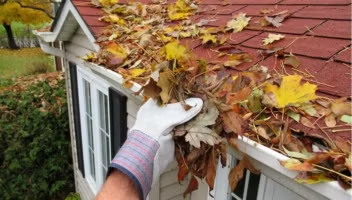
Dry leaves, pine needles, twigs, and other yard debris are easily collected in gutters, roof valleys, wooden decks, and corners around the home. These areas are important because wind-blown embers can land on debris and start a fire.
To help protect your home, clean out your gutters and downspouts regularly. Clear your roof valleys and any spots where leaves naturally collect. Sweep your decks, patios, and outdoor corners. You should also remove debris around your foundation and keep combustible materials away from exterior walls wherever possible.
Gutter guards made with non-combustible materials such as stainless steel can support wildfire preparedness by helping prevent melting and reducing debris buildup in gutters. LeafFilter’s professionally installed gutter protection system uses stainless steel micromesh to help keep leaves, twigs, and debris out of your gutters, serving as one helpful part of a broader maintenance plan.
Maintain Defensible Space Around the Home
Defensible space is the area around your home where vegetation, debris, and combustible materials are managed to help reduce fire spread near the structure. Creating this buffer can help slow an approaching fire and give firefighters a safer area to work, if needed.
To maintain this space, trim trees and shrubs so branches do not touch your roof. Remove dead plants, dry leaves, and excess vegetation from your yard. Keep your grass maintained in accordance with local guidance. Leave space between plants, structures, and combustible items like patio furniture or firewood. Focus on the area closest to your home; this is the most critical zone.
Understanding what homeowners should know about wildfire awareness and defensible space basics can make a big difference in your seasonal preparation.
Use Fire-Smart Landscaping Choices
Fire-smart landscaping is not about removing all your plants or giving up your home’s curb appeal. It’s simply about choosing, spacing, and maintaining your landscaping to reduce dry fuel sources near the home.
Choose plants that are well suited to your local conditions and retain moisture well, such as sedum, lavender, yarrow, and succulents. Keep your shrubs and trees pruned. Avoid letting dry mulch or plant matter come into contact with your siding. You can also add hardscaping, like stone paths or gravel borders, to create natural firebreaks.
Always follow your local fire authority or extension guidance for the best plant choices in your specific region.
Review Home Hardening Basics
Home hardening means making the exterior of your home less vulnerable to wildfire exposure, especially from flying embers and intense heat.
Start by maintaining your roof and gutters. Keep your vents and window screens in good condition, as embers can easily blow into the attic. Check your decks, siding, and exterior openings for gaps or damage. Use fire-resistant or noncombustible materials where appropriate and always reduce debris in corners and crevices.
For a more detailed area-by-area guide, see our home hardening zones checklist.
Start With a Cleaner Roofline
LeafFilter Gutter Protection helps keep leaves, twigs, and other common debris out of your gutters, making seasonal maintenance easier before wildfire conditions peak.
Set: Create a Wildfire Action Plan for Your Household
Sign Up for Local Alerts and Know Where to Get Updates
Because wildfire conditions can change quickly, local alerts help homeowners stay informed and make timely decisions.
Sign up for local emergency alerts through your county or state. Follow your local fire department, emergency management agency, or county guidance on social media. Monitor the weather and wildfire updates regularly. Don’t rely on one communication channel, as cell towers or internet service can fail. Keep your phones charged and backup battery packs.
Map Out Your Evacuation Plan
A good evacuation plan ensures everyone in your household knows when and how to leave safely.
Identify at least two routes out of your neighborhood in case one is blocked. Choose a specific meeting place where your family can regroup. Make sure everyone understands the plan. Plan for children, older adults, people with mobility needs, and pets. Practice driving the route so it feels familiar under stress.
Prepare a Go Bag for Each Family Member
An emergency go bag contains the supplies you will need during a wildfire evacuation. Keep these bags in an easy-to-carry format, like a backpack, and store them where you can grab them quickly.
Suggested go bag checklist:
- Water and nonperishable food
- Medications and basic first aid supplies
- Copies of important documents (ID, insurance, deeds)
- Phone chargers and backup battery packs
- Flashlight and extra batteries
- Change of clothes
- N95 masks or face coverings to filter smoke
- Cash in small bills
- Personal hygiene items
- Comfort items for children
- Pet supplies, if needed
Prepare Pets Before There Is an Evacuation Notice
If you have animals, they need to be part of your wildfire action plan.
Keep their carriers accessible. Pack food, water, medications, a sturdy leash, and vaccination records. Know which shelters, hotels, or families can take pets. Not all emergency shelters allow them. Practice loading pets into carriers or vehicles, so they are familiar with the process. Update ID tags and microchip details with your phone number.
Go: Know What to Do When It’s Time to Leave
Follow Evacuation Guidance From Local Authorities
If local authorities advise evacuation, follow their guidance and leave as directed. The American Red Cross notes you might not always get an official notice. Be ready to leave if they feel unsafe or local conditions change. Listen to emergency personnel and trust your instincts. Leaving early helps keep roads clear for firefighters and emergency responders.
Do a Final Home Check Only If Time Allows
If you have extra time before evacuating, you can take a few quick steps to secure your property.
Bring your “go bags” to the car first. Close all windows and doors. This helps prevent embers from blowing inside. Move lightweight outdoor items, such as patio cushions or doormats, away from the home if it’s safe to do so. Check that all pets and family members are accounted for. Wear protective clothing if needed, like long pants and sturdy shoes. Do not delay your evacuation for nonessential tasks.
Keep Your Plan Flexible
Wildfire conditions can change quickly. Roads may close, weather may shift, and local guidance may change suddenly. Keep your plan flexible. Stay connected to official updates. Always prioritize people and pets over property.
Wildfire Preparedness Checklist for Homeowners
Use this quick summary to keep your household on track.
Before Wildfire Season
- Clean out gutters and downspouts.
- Clear rooflines, decks, and outdoor corners.
- Remove dry leaves, pine needles, and yard debris.
- Trim trees and shrubs near the home.
- Review the defensible space around the property.
- Consider fire-resistant gutter guards.
- Check vents, screens, and exterior openings.
- Review home insurance and important documents.
When Conditions Are Elevated
- Monitor local alerts and weather updates.
- Keep vehicles fueled or charged.
- Place go bags in an accessible location.
- Confirm evacuation routes.
- Keep pets, carriers, and supplies ready.
- Charge phones and backup batteries.
- Check in with family members or neighbors as needed.
If Evacuation Is Recommended
- Follow local evacuation guidance.
- Take “go bags”, medications, documents, and pet supplies.
- Leave early enough to avoid delays.
- Use planned evacuation routes when available.
- Let loved ones know where you’re going.
- Do not return until local officials say it’s safe.
How LeafFilter Can Support Seasonal Wildfire Preparedness
Gutter maintenance is one important part of preparing your home for wildfire season. When leaves, twigs, and other debris collect in gutters, they can create extra maintenance concerns along the roofline. Keeping gutters cleared out supports better water flow and helps reduce debris buildup where wind-blown embers could land and ignite.
LeafFilter Gutter Protection helps keep debris out of your gutters with a professionally installed stainless steel micromesh system. As part of a broader wildfire preparedness plan, LeafFilter can help make seasonal maintenance easier and support a cleaner roofline year-round.
Help Keep Your Gutters Clear Before Wildfire Season
LeafFilter Gutter Protection helps keep leaves, twigs, and other debris out of your gutters, making exterior maintenance easier through wildfire season and beyond. Schedule a free estimate with your local LeafFilter gutter experts.
Key Takeaways: Preparing Your Home for Wildfire Season
Preparing for wildfire season is easier when you break it into Ready, Set, Go steps.
- The Ready phase focuses on your home, property, gutters, landscaping, and defensible space.
- The Set phase focuses on your family plan, emergency alerts, go bags, and pets.
- The Go phase focuses on following evacuation guidance and leaving when advised or when you feel unsafe.
Gutter maintenance can support wildfire preparedness by helping reduce debris buildup along the roofline. Gutter guards made with non-combustible materials such as steel or aluminum can be a helpful part of a broader seasonal maintenance plan.
Frequently Asked Questions About Preparing for Wildfire Season
When should I start preparing my home for wildfire season?
May is a good time to start because it’s Wildfire Awareness Month and often comes before hotter, drier summer conditions. However, homeowners in higher-risk regions, such as the Southwest and West Coast, may benefit from maintaining defensible space and reviewing emergency plans year-round.
What is the first thing homeowners should do before wildfire season?
Start by clearing dry debris from gutters, rooflines, decks, landscaping beds, and areas near the foundation. These are common places where leaves, twigs, and other combustible materials collect.
What should be in a wildfire go bag?
A wildfire go bag should include essentials such as water, nonperishable food, medications, important documents, phone chargers, a flashlight, first-aid supplies, clothing, hygiene items, and pet supplies, as needed.
How do I prepare pets for wildfire season?
Prepare carriers, leashes, food, water, medications, and vaccination records before there is an emergency. Make sure pets have updated ID tags or microchip information and know exactly where you can go with them if you need to evacuate.
How do gutters affect wildfire preparedness?
Gutters can collect dry leaves, twigs, and other debris. Keeping debris out of gutters helps reduce fuel along the roofline and supports a broader, more effective wildfire preparedness plan.
Can gutter guards help prepare my home for wildfire season?
Gutter guards made with non-combustible materials such as stainless steel help prevent melting and help reduce debris buildup in gutters. They should be used as part of a larger wildfire preparedness plan that also includes defensible space, fire-smart landscaping, home hardening basics, and emergency planning.
Prepare Your Home With Confidence
A well-maintained gutter system can be one helpful step in your wildfire preparedness plan. See how LeafFilter Gutter Protection can help keep your gutters free of clogs and debris year-round.
Resources
- American Red Cross. Wildfire Safety: Learn How to Keep Your Family and Home Safe During a Wildfire. 2026. https://www.redcross.org/get-help/how-to-prepare-for-emergencies/types-of-emergencies/wildfire.html.
- Ready.gov. Wildfires. Updated April 6, 2026. https://www.ready.gov/wildfires.
- Ready for Wildfire. Create Your “Go Bag.” 2026. https://www.readyforwildfire.org/prepare-for-wildfire/emergency-supply-kit.
- Ready for Wildfire. Ready, Set, Go. 2026. https://www.readyforwildfire.org/prepare-for-wildfire.
- Ready for Wildfire. Wildfire Action Plan. 2026. https://www.readyforwildfire.org/prepare-for-wildfire/wildfire-action-plan/