
How Often Should You Clean Your Gutters?
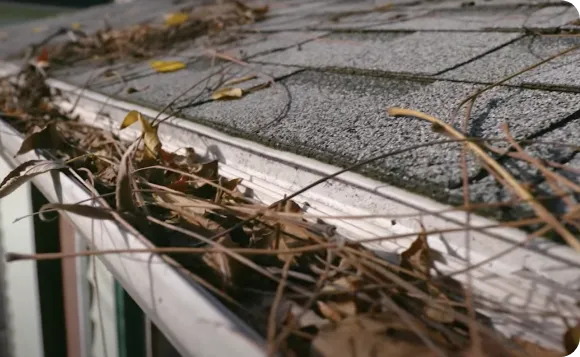
Many homeowners don’t give their gutters much thought or attention unless there’s an obvious problem—but by that point, it may be too late to prevent potentially devastating water damage to your home.
Cleaning out your gutters regularly is necessary to prevent clogs inside your gutters and the subsequent problems clogged gutters can cause.
When it comes to the question of how often you should clean out your gutters, the general rule of thumb is to clean out your gutters twice per year.
But there are a range of different factors that determine gutter cleaning frequency.
In this article, we’ll discuss how often you should clean out your gutters in greater detail and review contributing factors such as where you live and how many trees and other types of vegetation are around your home.
In this article:
- Why Regular Gutter Maintenance Matters
- Recommended Cleaning Schedule
- Factors Influencing Your Cleaning Frequency
- Signs It’s Time to Clean Out Your Gutters
- Benefits of LeafFilter Gutter Guards for Gutter Cleaning
- DIY vs Professional Gutter Cleaning: Cost & Time Comparison
- Storm-Readiness & Post-Storm Inspection
- Conclusion: Crafting Your Optimal Maintenance Plan
- Frequently Asked Questions
Why Regular Gutter Maintenance Matters
Cleaning out your gutters is probably not a job you look forward to. Who wants to get up on a ladder, breathe in dust, and pull out wet leaves and gunk?
With most gutters, unfortunately, if you don’t clean them out, you could be setting yourself up for higher costs down the road. Avoiding the task for too long may result in shingle damage, roof leaks, water damage in the interior of your home, mold growth, and more.
Water damage is a significant issue for homes with poorly functioning gutters. According to the Federal Emergency Management Agency (FEMA), even just an inch of water in a home can cause $25,000 in damage.
The bottom line is this: regular gutter cleaning is critical to the condition and long-term value of your home. Not only do well-functioning gutters help protect your roofline, they also help improve the safety of your home.
Recommended Cleaning Schedule
The general recommendation when it comes to cleaning out your gutters is to do it twice a year—once in the spring and once in the fall.
The twice-a-year recommendation is a general recommendation. Sometimes, it’s necessary to clean them out more often. For instance, if you live in an area with abundant trees or frequent, significant rainfall, you may need to clean them out more often. Or, if you live in an area with far less debris or rain, you may not need to clean them out as frequently.
Below, we’ll discuss four key questions to consider how often you should clean out your gutters based on where you live, the types of vegetation and trees around your home, and other factors.
Spring Cleaning (March – May)
Winter snow and ice take a toll on your gutters. When spring rolls around, you’re likely to see a buildup of dirt and debris, and possibly even bird and rodent nests. Cleaning out your gutters when the weather warms up prepares them to better manage the spring rains and summer storms.
This will help ensure that your home does not experience water damage from clogged gutters.
Fall Cleaning (September – November)
When leaves start to fall, it’s time to add “clean out my gutters” to your to-do list once more. Autumn leaves have a nasty habit of accumulating inside your gutters and can potentially clog them before the winter snow arrives. This makes it a good time of year to clean out your gutters.
Winter Avoidance (December – February)
It is generally advised to avoid gutter cleaning during the winter months, mostly for safety reasons. Risks like slippery ice, falling frozen debris, and cold temperatures make winter cleaning even more unsafe. Not to mention, there is increased potential to damage the gutters while they’re cold and potentially weaker due to the temperatures and icy or snowy conditions.
If you have to clean in winter, try to do it on a sunny day during early afternoon so it’s warmer.
Attention homeowners! 🏡 Did you know that LeafFilter offers FREE estimates for your gutter protection needs? Say goodbye to clogs and hello to peace of mind with LeafFilter!✅ To learn more and get started today, visit https://t.co/6tWbQ0wMvX #ClogFree #FreeEstimate #LeafFilter pic.twitter.com/9JOuBzi7Mp
— LeafFilter Gutter Protection (@LeafFilter) July 18, 2023
Factors Influencing Your Cleaning Frequency
How often you schedule a gutter cleaning depends on where you live and what type of environment surrounds your home. Ask yourself the following four questions. Your answers may indicate that you need to clean out your gutters three or four times a year rather than just twice.
Tree Density and Vegetation
Take stock of what types of trees are present in your yard and near your property. Some trees won’t bother your gutters too much. Others, however, will drop a lot of leaves and debris into them throughout the year.
Pine trees are especially problematic for gutters. They shed their needles year-round, and many of these can end up inside your gutters. Pinecones also have the tendency to pile up in your gutters over time.
If they’re close to your home, deciduous trees may quickly create clogs inside your gutters. Even cottonwoods and maples can create buildup if they’re mature and near your roof.
If you live in a home in the forest or a cabin nestled away inside a trove of trees, check your gutters more often. You may be able to manage a decent amount of buildup with cleaning out your gutters twice a year, but keep an eye out for signs that your gutters may be crying out for more frequent maintenance.
Regional Climate and Weather Patterns
If you live in an area with frequent storms, heavy snow and ice, and strong winds, like the Midwest, your gutters will likely fill up with debris faster than they would in more temperate regions. Ice, in particular, is very good at rendering your gutters utterly useless. Cleaning them out more often will help prevent damage to your home.
Homes in areas with coastal humidity may need more frequent cleaning. Salt spray and the presence of salt in general can increase the likelihood of rust, which, if not mitigated, can wreak havoc on a gutter system.
If you live in a hot, dry, desert-like climate with fewer tall trees, however, you may be able to get by with cleaning out your gutters just once a year.
Roof and Gutter Type
Metal roofs have gained popularity recently because of their eco-sustainability sensibility. They also tend to shed leaves and debris more easily. If you have a metal roof, you most likely won’t need to clean out your gutters as often.
If you have a traditional shingle roof, it may be vulnerable to damage if your gutters become clogged, so it’s best to clean them out more often.
Traditional or standard gutters lack protection against falling debris, animal nests, or other types of material that can create clogs inside them. These will need to be cleaned out at least twice a year, if not more often.
However, if you have some form of gutter protection, debris will be less likely to accumulate inside. Consequently, you won’t have to clean out your gutters as often. For example, our gutter guards are an effective and proven solution that can reduce gutter maintenance.
Signs It’s Time to Clean Out Your Gutters
It’s easy to get busy and forget all about your gutters. There are plenty of other important things to worry about, after all!
Fortunately, it only takes a few minutes to check the condition of your gutters. Take a walk around your home and look for these signs that it’s time to hire a professional or clean out your gutters yourself:
- Sagging gutters
- Stained exteriors
- Sitting water around the foundation of your home
- Other signs of leaking on your roof, siding, or yard
- Plant growth inside the gutters
- Insects and animals nesting inside the gutters
- Broken gutters or gutters that have pulled away from the roofing
- Noticeable debris build-up
Depending on the condition of your gutters, it may be time to replace them.
on LeafFilter®

Benefits of LeafFilter Gutter Guards for Gutter Cleaning
Installing LeafFilter Gutter Guards on your home’s gutter system drastically reduces the amount of debris that collects in them. While you should still inspect the gutters every once in a while, you shouldn’t have to clean them more than twice a year, though you may need to remove debris that has accumulated on top of them.
This is because the guards are made using surgical-grade stainless-steel micromesh. The mesh allows water but little else to get through to the gutter below.
LeafFilter gutter guards come with a clog-free gutter guarantee and a lifetime, transferable warranty that can move to the next homeowner if you decide to sell your home after installing LeafFilter gutter guards.
DIY vs Professional Gutter Cleaning: Cost & Time Comparison
Whether you clean out your gutters yourself or hire a professional gutter cleaning service depends on time, money, and safety considerations. These considerations become even more significant when houses are larger. The taller the home or the more complicated the roofline, the more complex the cleaning process becomes.
| Feature | DIY (Do-It-Yourself) | Professional Service |
|---|---|---|
| Average Cost | Initial Cost: $100 – $300 for tools (ladder, scoop, safety gear). Recurring Cost: Nearly nothing (except for minor supplies) per cleaning. | Recurring Cost: $80-$390 per cleaning (varies by home size, height, and location). Single-story homes are generally lower. |
| Time Required | 1+ hours for an average home, including setup, cleaning, and debris disposal. | 30 minutes – 1 hour for an average home, completed by an experienced crew. |
| Equipment | Basic tools (ladder, gloves, scoop, hose). Results may be less thorough without professional-grade equipment. | Professional-grade ladders, pressure washers/air movers, and safety gear. |
| Thoroughness | Depends entirely on your effort, experience, and tools. Downspouts are often overlooked, and blockages may be missed. | High. Service typically includes flushing downspouts, removing all debris, and a basic inspection for damage/leaks. |
| Convenience | Low. Requires dedicating personal time, climbing ladders, and messy labor. | High. Saves personal time and effort; the experts handle all the work and debris disposal. |
Storm-Readiness & Post-Storm Inspection
The rule about cleaning gutters twice a year doesn’t account for major storms. During a significant storm, there’s an increased risk of debris clogging the gutters or even damaging the system. That’s why it is crucial to clean out your gutter system before a storm (if you can) and have it cleaned as soon as it is safe to do so, after the storm passes.
- Downspouts: Need to be unclogged to help prevent backups and overflows, which can damage siding, the roof line, and the home’s foundation.
- Splash blocks or downspout extensions: Must be properly positioned to direct water away from the home. Extensions should be unclogged after the storm as well.
Crafting Your Optimal Gutter Maintenance Plan
Cleaning out your gutters isn’t a task that most of us look forward to, especially when you need to do it several times each year. Even so, it is crucial to maintain gutters so they continue to help protect your home from water damage and rot for years to come. It’s important to note the types of trees and debris near your home, as well as the climate, to determine whether or not you should clean out your gutters more or less often.
You will also have to weigh the financial cost, time cost, and safety considerations if you want to clean out the gutters yourself or hire a professional. Or you can say goodbye to cleaning out your gutters for good if you have LeafFilter’s gutter guards professionally installed.
Our award-winning, patented gutter guards not only block leaves from entering your gutters, but they also help keep out leaves, twigs and other common debris. And with our transferable lifetime warranty, you can enjoy all the seasons of the year without worrying about clogs inside your gutters and potential water damage to your home.
Call us today at 1-800-290-6106 to learn more about how LeafFilter gutter guards can help protect your home.
Frequently Asked Questions
What can happen if you don’t clean out gutters?
If you don’t clean out your gutters, debris can create clogs that prevent water from flowing to the downspout. Over time, this can cause roof leaks, basement water damage, mold growth, and foundation issues. If these issues aren’t addressed and your home is damaged, your home insurance may deny your claim.
What is the best time to clean out gutters?
As a general rule, it’s best to clean out your gutters in the late spring and fall (once the leaves have stopped shedding) to rid them of accumulated debris and prevent damage to your home.
What’s the fastest way to clean out gutters?
The fastest and easiest way to clean out your gutters is to hire a professional who will handle the job with the proper tools, techniques, and safety measures. If you can’t afford to hire a recurring gutter cleaning service, choose a method that allows you to clean out your gutters while remaining on the ground. You can use a garden hose attachment, wet/dry vacuum attachment, or leaf-blower attachment to approach the job more safely rather than climbing up an unsteady ladder.
How can I prevent clogs from forming inside my gutters?
We recommend you install gutter protection. Gutter guards help shield your gutters from falling leaves, blowing sticks, and twigs.
How do I calculate the right cleaning frequency for my home?
It can be tricky to definitively calculate a cleaning frequency, especially when major storms can necessitate additional cleaning. Even so, if you have a lot of shedding or mature trees with branches directly over or within ten feet of your home, you should consider one or two extra yearly cleanings. You should also add an extra cleaning if you live in an area with frequent storms that can create additional debris, flooding, or ice dam issues.
Can gutter guards help eliminate the need for cleaning?
The micromesh on LeafFilter gutter guards drastically reduces the debris entering the gutter system. Even so, you will still need to remove the debris from the top of the guards periodically. LeafFilter’s clog-free lifetime guarantee helps protect your investment.
When should I call a professional to clean my gutters?
Safety is a top priority when considering gutter cleaning, which is why hiring professionals is strongly recommended. Professionals are recommended even for small, single-story homes, but their expertise becomes even more crucial for homes with complex rooflines or several stories.
How does my climate affect cleaning frequency?
Your home’s environmental climate dictates the frequency of cleaning. For homes in heavily wooded areas, with trees in close proximity, heavy rainfall, and frequent storms, cleaning will need to be more frequent to help reduce damage and clogs. Gutters installed on homes in coastal areas need more frequent cleaning to prevent rust and oxidation from the salty air. Though homes in arid, desert regions won’t need their gutters cleaned out as often.